A 7-1/4-inch circular saw blade does not perform the same way as a 4-1/2-inch blade, even when both are mounted on similar saws. Blade size changes how deep the saw cuts, how heavy the tool feels, how fast it cuts, and what kind of jobs it handles comfortably. It also affects the saw’s maneuverability, especially during long cuts or when working in tighter spaces. That is why understanding common circular saw blade sizes and their applications is important. Choosing the wrong size can slow down the job, make cutting more difficult, or leave you fighting the saw instead of working smoothly.
In this guide, we’ll break down the most common circular saw blade sizes, where each size is commonly used, and how different blade diameters fit applications ranging from compact cordless saws to larger workshop and construction setups.
Table of Contents
- What Are the Most Common Circular Saw Blade Sizes?
- Recommended Circular Saw Blade Sizes for Common Applications
- Circular Saw Blade Sizes and Cutting Depths
- Cordless vs. Corded Circular Saw Blade Sizes
- Can You Use Different Size Blades on a Circular Saw?
- Common Mistakes When Choosing Circular Saw Blade Sizes
- Conclusion
- FAQs About Circular Saw Blade Sizes
What Are the Most Common Circular Saw Blade Sizes?
Most circular saw blades fall somewhere between 3 inches and 12 inches, but honestly, a few sizes dominate real work. If you walk onto a construction site, you will probably see a lot of 6-1/2-inch and 7-1/4-inch blades. In workshops, 10-inch blades take over pretty quickly. Smaller blades still matter, though. They just solve different problems.
Circular Saw Blade Size Chart
The chart below shows the most common circular saw blade sizes and where they are typically used.
| Blade Size | Common Tool Type | Best Applications |
|---|---|---|
| 3″ | Mini circular saw | Detail work and shallow cuts |
| 4″ | Compact electric hand saw | Thin wood, plastic panels, and laminate sheets |
| 4-1/2″ | Compact cordless saw | Flooring, trim, and remodeling |
| 5-1/2″ | Cordless circular saw | Plywood, sheathing, and deck boards |
| 6-1/2″ | Portable circular saw | Renovation and general carpentry |
| 7-1/4″ | Standard circular saw | Framing and construction |
| 10″ | Table saw | Cabinetry and hardwood cutting |
| 12″ | Miter saw | Thick stock and production cutting |
3-Inch Circular Saw Blades
Three-inch blades are tiny, but they are useful in ways that bigger blades are not. They fit compact saws meant for detail work, shallow cuts, and awkward spaces where a full-sized circular saw feels like overkill. Think hobby projects, thin trim work, or quick adjustments on materials like thin plywood, plastic panels, and laminate sheets.
4-Inch and 4-1/2-Inch Circular Saw Blades
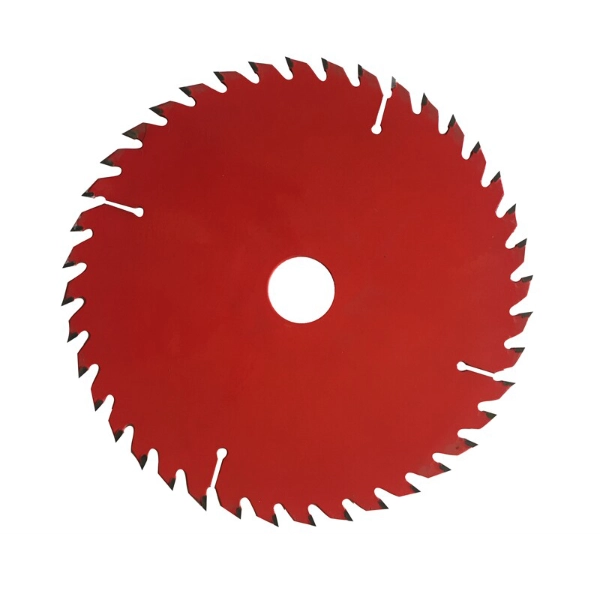
This size range is common on compact cordless saws, especially for laminate flooring, vinyl plank flooring, and light interior work. They are easier to handle one-handed, and after using a heavy framing saw for a while, you really notice the difference. Some portable woodworking blades in the 4-inch to 4-1/2-inch range are designed specifically for compact electric hand saws used in finishing and remodeling work.
5-1/2-Inch Circular Saw Blades
A lot of cordless saws settle here because the balance just works. You still get decent cutting depth for plywood, sheathing, and deck boards, but the saw does not feel bulky. Battery strain is lower, too. That matters more than people expect once you spend hours carrying the thing around.
6-1/2-Inch Circular Saw Blades
This is one of the most practical circular saw blade sizes for everyday work. Big enough for renovation jobs involving MDF sheets, OSB panels, and shelving materials. Small enough to stay comfortable. Contractors and DIY users both lean on this size a lot because it handles general carpentry without feeling too specialized.
7-1/4-Inch Circular Saw Blades
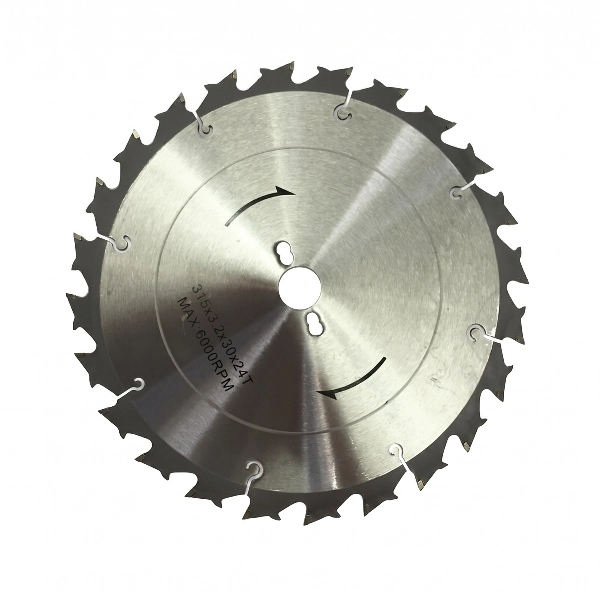
The 7-1/4-inch blade is widely considered the industry standard for handheld circular saws because it works well for almost everything. Most models can cut through standard 2x lumber in a single pass, which is one reason this size became so common on framing sites. It gives the saw enough cutting capacity for decking, plywood, and roof work without turning it into a brick.
Many corded sidewinder saws are designed around this size, so blade availability is everywhere, including framing, finish, and demolition blades. Professional woodworking blades are still manufactured mainly in the 7-1/4-inch format because it hits that sweet spot between power, cutting depth, and control.
10-Inch Circular Saw Blades
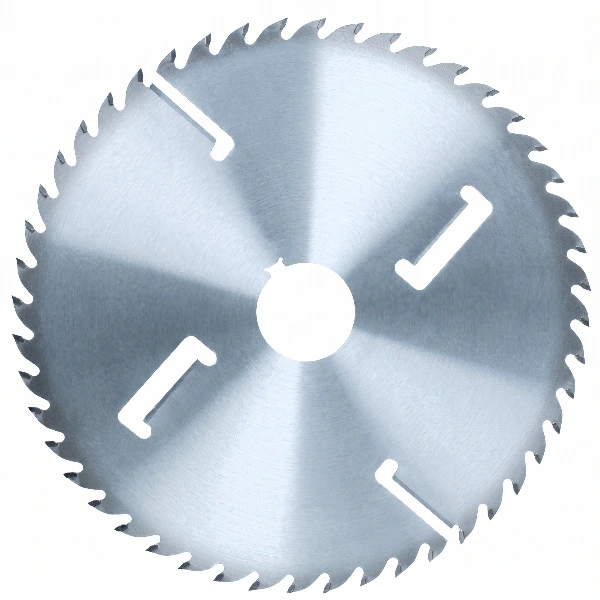
Ten-inch blades feel more workshop-focused. You see them on table saws cutting hardwood, cabinetry panels, MDF, and repeated precision cuts. The larger diameter improves stability and helps the blade track more cleanly through the material. Workshop blades in the 10-inch range are often preferred for cabinetry and hardwood processing because the larger size keeps cuts steady during long runs.
12-Inch Circular Saw Blades
Twelve-inch blades are built for heavier stuff. Thick stock. Large trim. Production cutting. They are common on industrial saws and large miter saws where cutting capacity matters more than portability. Not the kind of blade most people want hanging off a lightweight cordless saw.
Recommended Circular Saw Blade Sizes for Common Applications
Best Blade Size for Framing
For most framing work, a 7-1/4-inch blade is the preferred choice because it offers enough cutting depth to handle standard dimensional lumber in a single pass while remaining comfortable to control. It has become the industry standard for handheld circular saws for exactly that reason.
Although larger blades can cut deeper, they also make the saw heavier and more difficult to maneuver. Unless you’re regularly cutting oversized timber, the extra capacity usually isn’t worth the added weight. On the other hand, smaller blades such as 5-1/2-inch or 6-1/2-inch models are easier to carry but often lack the cutting depth needed for common framing tasks.
Best Blade Size for Plywood and Sheet Materials
When cutting plywood, MDF, OSB, or other sheet goods, 5-1/2-inch and 6-1/2-inch blades are often the better choice. Full sheets require long, controlled cuts, so a lighter saw is generally easier to guide than a larger framing saw.
A 7-1/4-inch blade certainly works, especially if it’s already the saw you own, but many DIYers and remodelers prefer smaller cordless saws because they’re less tiring during repeated cuts. Choosing a blade with more teeth can also help reduce splintering on plywood veneers.
Best Blade Size for Trim and Finish Work
For trim work, flooring, and other finish carpentry, 4-1/2-inch and 5-1/2-inch blades provide the best balance of precision and control. These jobs usually don’t require deep cuts, but they do demand accuracy, especially when working around finished surfaces.
Using a large 7-1/4-inch framing saw indoors can feel unnecessarily bulky in tight spaces. A compact saw is easier to position, more comfortable for overhead cuts, and generally reduces fatigue during detailed work.
Best Blade Size for Hardwood and Cabinetry
When cutting hardwood, cabinetry components, or thick stock in a workshop, 10-inch blades are generally the preferred option because they’re designed for table saws and offer greater stability during long, accurate cuts.
A handheld 7-1/4-inch saw can certainly cut hardwood, but it’s better suited to construction tasks than repeated precision work. If your projects involve furniture making or cabinet building, the larger blade diameter and stable setup of a table saw typically produce cleaner, more consistent results.
Circular Saw Blade Sizes and Cutting Depths
Bigger blades cut deeper. That is really the whole story here. More blade hangs below the saw base, so the saw reaches deeper into the material. A small 3-inch blade might only cut about an inch deep. A standard 7-1/4-inch blade usually gets around 2-1/2 inches. Once you move into 10-inch and 12-inch territory, you are cutting thick hardwood, heavy boards, and larger stock pretty comfortably.
| Blade Size | Approx. Cutting Depth (90°) |
|---|---|
| 3″ | ~0.8–1″ |
| 4-1/2″ | ~1.25–1.5″ |
| 5-1/2″ | ~1.5–1.8″ |
| 6-1/2″ | ~2–2.25″ |
| 7-1/4″ | ~2.4–2.5″ |
| 10″ | ~3–3.5″ |
| 12″ | ~4–4.5″ |
Cordless vs. Corded Circular Saw Blade Sizes
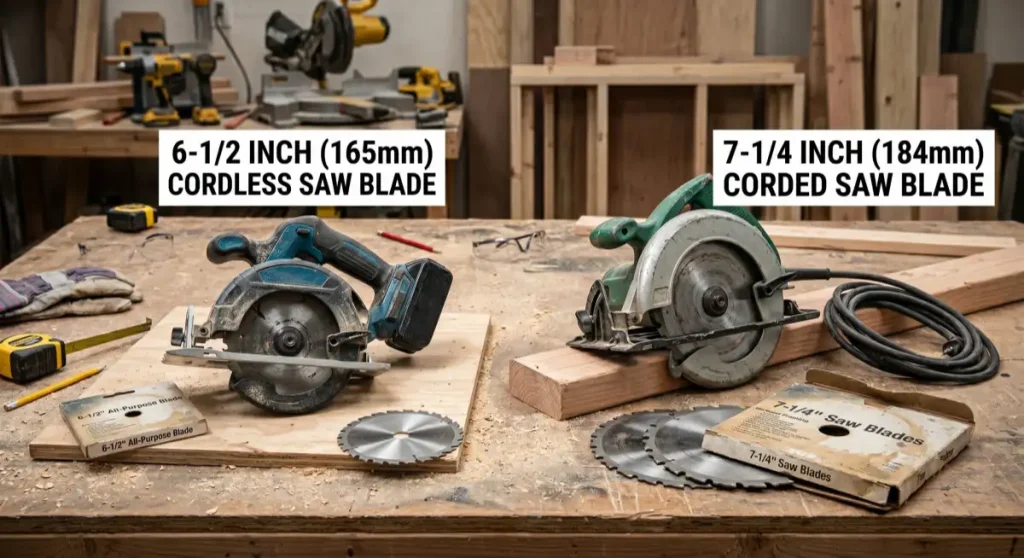
Cordless circular saws typically use smaller blades, most commonly 5-1/2-inch or 6-1/2-inch sizes, while corded models are often built around larger 7-1/4-inch blades. Cordless saws favor smaller diameters because larger blades generally require more power to drive and put more load on the motor. After carrying a saw around a jobsite for hours, the lighter weight matters too. Remodeling crews and interior carpenters notice that difference immediately. A smaller cordless saw simply feels easier to handle during long workdays.
You also get better maneuverability in tight spaces. Cutting plywood in a cramped room or making quick overhead cuts feels very different with a compact saw. Many portable saws use thinner kerf blades as well because they remove less material and can help reduce cutting resistance.
Corded circular saws are more commonly paired with 7-1/4-inch blades because their higher power output supports deeper cuts and heavier materials. They are heavier, but on construction sites, cutting capacity and continuous power often matter more than saving a few pounds.
Can You Use Different Size Blades on a Circular Saw?
Sometimes, but only if the blade size is compatible with the saw. Circular saws are designed around specific blade diameters, and using a different size can affect cutting depth, guard clearance, and overall performance.
A smaller blade might still fit some models, but it will reduce cutting depth. The arbor matters too. The center hole in the blade has to match the saw properly, or the blade can wobble during cuts. Some blades use reducer rings to fit different arbor sizes, but that does not mean every combination is suitable.
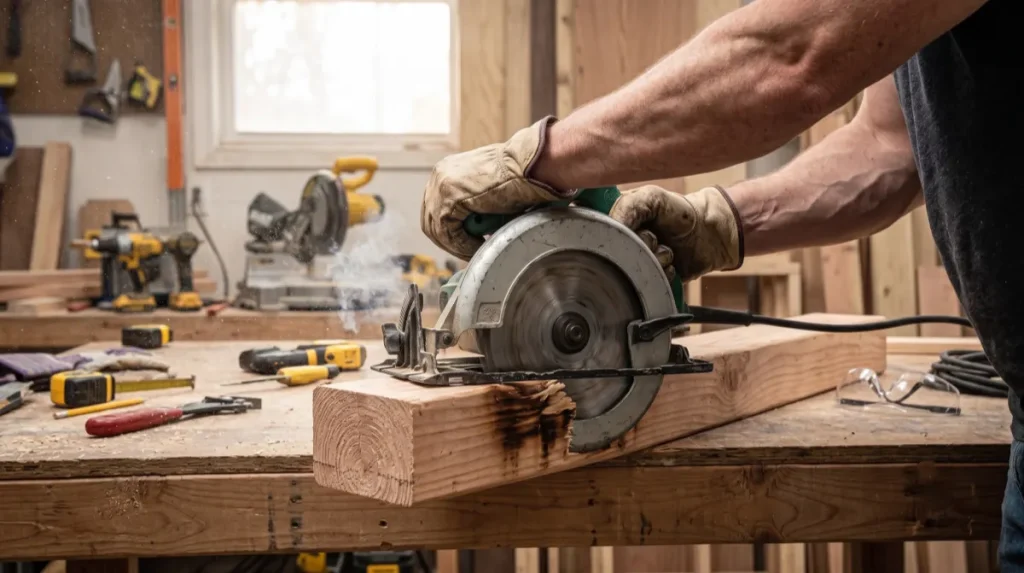
Larger blades are where problems usually start. The guard may not clear correctly. The motor can work harder than intended. Cuts may feel less stable, especially on portable saws. And when the saw starts fighting you during a cut, kickback becomes a real concern.
Common Mistakes When Choosing Circular Saw Blade Sizes
Choosing Oversized Blades for More Depth
This happens all the time with portable saws. Somebody wants deeper cuts, so they move toward a bigger blade setup than they really need. The problem is that the saw gets heavier, less balanced, and harder on the motor. You feel it during long cuts, especially on cordless saws. For regular plywood, framing lumber, or renovation work, oversized blades often create more hassle than benefit.
Ignoring Tool Weight and Portability
Weight sneaks up on you. A saw might feel fine for the first few minutes, and then suddenly your shoulders are burning halfway through overhead cuts or flooring work. Compact saws usually move better in cramped spaces because they are easier to guide and less tiring to carry around. That is one reason many contractors still prefer smaller 6-1/2-inch to 7-1/4-inch blades for general construction work instead of oversized setups.
Forgetting About Material Thickness
Small blades have limits, too. Thin plywood is one thing. Thick hardwood or stacked material is another story. Once the blade cannot cut through cleanly in one pass, the workflow slows down fast. More repositioning. More rough edges. More frustration.
Conclusion
Circular saw blade size affects more than just cutting depth. It changes the saw’s weight, maneuverability, and the types of projects it handles best. Smaller blades are usually easier to control, while larger blades provide more cutting capacity for thicker materials.
That is why there is no single “best” circular saw blade size for every project. The right size depends on the material you are cutting, the depth you need, and how the saw needs to move through the job.
FAQs About Circular Saw Blade Sizes
The 7-1/4-inch blade is still the most common size for handheld circular saws. It hits a comfortable middle ground. Deep enough for framing lumber and decking, but still manageable for everyday construction work. That balance is why so many corded saws are built around it.
In most cases, a 6-1/2 inch blade should not be used on a 7-1/4 inch circular saw unless the manufacturer allows it. It reduces cutting depth and may affect blade guard alignment. The saw may still run, but it is not always safe or efficient because it is designed for a 7-1/4-inch blade.
A 5-1/2-inch circular saw is mainly used for light to medium-duty cutting where control and portability matter more than cutting depth. It is commonly used for plywood, OSB, sheathing, deck boards, and general interior materials. It is especially popular on cordless saws for flooring, remodeling, and quick on-site cuts where a larger saw would feel too heavy.
A lot of people prefer 5-1/2-inch or 6-1/2-inch blades for plywood because they feel easier to guide across large sheets. Higher tooth counts also help reduce splintering on plywood edges.
A standard 7-1/4-inch blade usually cannot cut fully through a 4×4 in one pass. Most people either make multiple passes or move up to a larger saw setup with deeper cutting capacity.