Circular saws tend to warn you when cuts go from good to catastrophic. There’s a change in sound. Then there’s a change in smell. Then your cuts just start going downhill. By the time you see smoke, your blade has usually been struggling for a while.
The problem is deciphering what those warning signs actually are. A dull blade may look perfectly fine on the outside. But a dirty blade can perform like a dull one and may not even need to be replaced.
In this article, we’ll cover:
- The most obvious signs that your circular saw blade is dull.
- Why certain materials dull blade edges more quickly.
- How to identify blade problems before they affect cut quality or tool performance.

Table of Contents
- Quick Signs Your Circular Saw Blade Is Dull
- Why Is My Circular Saw Cutting More Slowly Than Before?
- Why Does a Dull Circular Saw Blade Burn Wood?
- Why are My Cuts Rough, Fuzzy, or Splintered?
- Can a Dirty Circular Saw Blade Feel Dull?
- Which Materials Dull Circular Saw Blades the Fastest?
- How Can You Tell Whether the Problem Is the Blade or the Saw?
- Dull Circular Saw Blade FAQs
- Conclusion
Quick Signs Your Circular Saw Blade Is Dull
A circular saw blade may be dull if you notice any of these warning signs:
- Cuts take longer than usual
- More force is needed to push the saw
- Burn marks appear on the wood
- Cut edges become rough or splintered
- Excessive vibration or unusual noise occurs
- Battery runtime decreases noticeably
These symptoms often point to worn cutting teeth, although resin buildup or blade damage can sometimes cause similar problems. If you notice several of these symptoms at the same time, your circular saw blade is likely dull and should be inspected before continuing to cut.
Why Is My Circular Saw Cutting More Slowly Than Before?
Sometimes you know you’ve got a dull blade before you burn yourself. Your saw just quits cutting the way it should. You begin a cut, pull forward, and expect the smooth resistance to continue. However, about halfway through the cut, the blade begins to drag.
A sharp blade cuts through material quickly. Chips erupt from the kerf crisply and cleanly, and the saw keeps its stride. Once those teeth become dulled by use, however, the blade cuts less and spends more time scraping. The friction becomes more noticeable when the saw pauses ever-so-slightly in thicker sections of material. It’s most noticeable when ripping through plywood, MDF, or green/sticky framing lumber.
And cutting MDF is especially horrible for your blade. While MDF might look harmless and soft, the glue that holds the wood fibers together is highly abrasive to carbide teeth. Battery-powered saws make the breakdown more noticeable. This is because a dull blade increases resistance, causing the motor to draw more current. This drains the battery significantly faster and makes the saw bog down midway through cuts. You can hear the strain as the motor works overtime. The saw slows down… and most folks fight through it by bearing down even more. This is not a good idea because it generates heat, which further dulls your blade.
Why Does a Dull Circular Saw Blade Burn Wood?
Burn marks are typically evidence that the blade quit cutting cleanly some time ago. When that happens, the teeth are no longer slicing through the wood. They’re dragging/scraping across it. That creates a lot of friction very quickly, especially when ripping long boards. This is because the blade stays buried in the wood much longer.
You can typically smell it before you see it. That distinct smell of hot, dry wood. Eventually, smoke starts rolling out near the blade guard, and your cut edge pops out black or shiny black. Dense hardwoods will show burn marks more quickly because the tight fibers trap heat. Plywood can be deceptive. This is because the glue layers trap heat inside the cut, melting the glue, which then coats the teeth.
Slow feed rates are a common attempt when this occurs. Intuition tells us it would solve the problem. But feeding too slowly can actually cause more burning because the teeth are grinding away in the same place longer. Excessive heat accelerates edge wear. Over time, an overheated blade can also lose tension, begin to vibrate, or in extreme cases warp slightly while cutting. This is why using blades with vibration-dampening designs is essential for maintaining stability during heavy cuts.
Why are My Cuts Rough, Fuzzy, or Splintered?
Clean cuts have a distinct appearance. The edge looks crisp. This is very noticeable on plywood or trim boards. After an edge starts to dull, that beautiful, clean edge is gone in a hurry. Now your cuts look ripped instead of sliced clean.
This happens most noticeably on finished surfaces. Edges on veneered plywood will begin to chip at the top layer. Melamine will flake near the edges. Laminate flooring will not have crisp edges. The blade will cut through the material just fine, but the aesthetics of the cut quickly suffer. Dull teeth no longer shear the wood fibers cleanly; they tear through them.
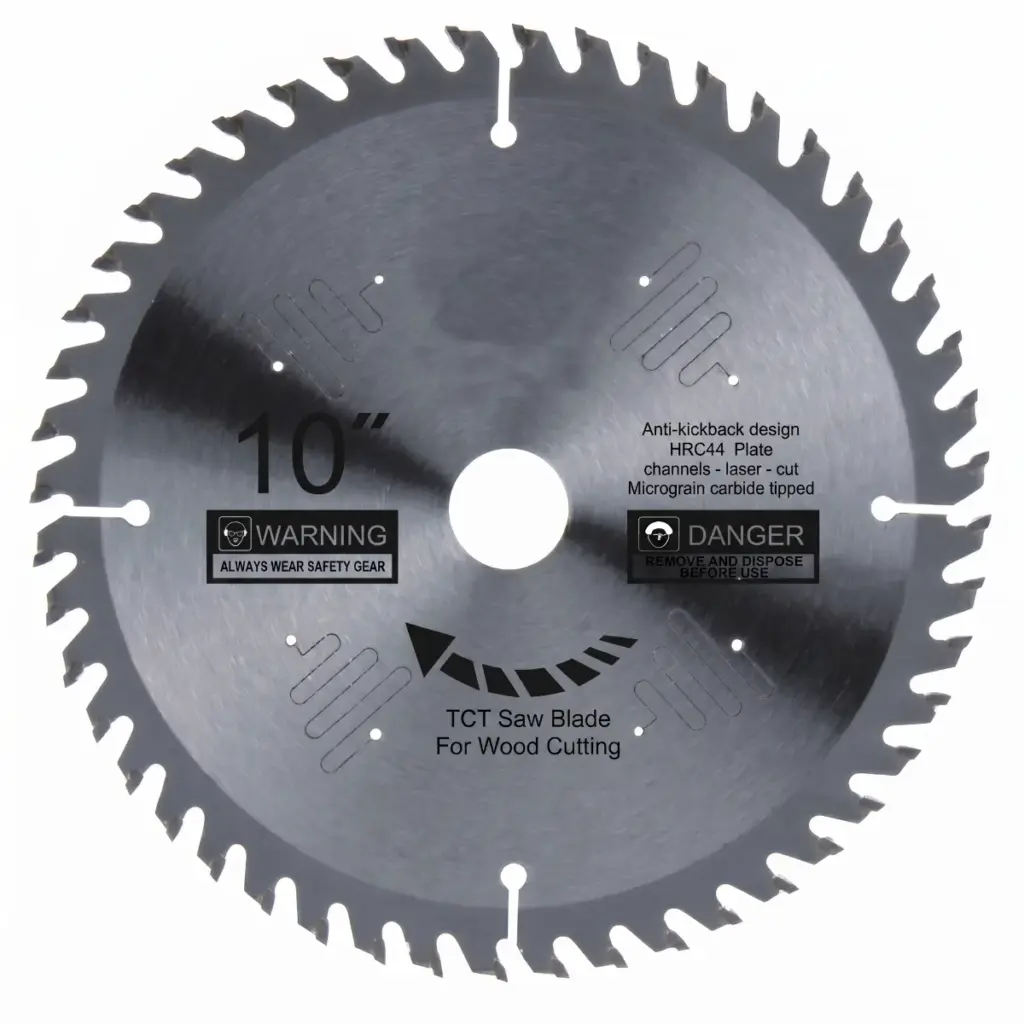
Finishing work will reveal dullness sooner than rough cuts will. A blade can go through entire studs before the signs are apparent. But try cutting cabinet plywood with that same blade, and every flaw will be highlighted. The blade tooth count plays a crucial role in the cut quality. A low tooth count blade is designed to clear more material quickly. This results in a rougher edge. Sometimes the blade isn’t dull at all. It just may not be suited for what you are cutting.
Can a Dirty Circular Saw Blade Feel Dull?
Sure thing. It’s possible for a blade to be technically sharp and still cut poorly due to dirty teeth. Things like resin, glue, sap, and fine MDF dust accumulate gradually until one day your saw just seems weird. Cuts begin to feel more strenuous. Burn marks appear seemingly out of nowhere. The blade feels like it’s eating through plywood instead of slicing.
Pine is notorious for causing this because of how quickly sap adheres to the teeth. MDF dust/glue is far worse because of how it leaves this pasty film that generates heat around the blade edge. Plywood glue has the same effect if you rip through enough sheets. When debris becomes packed around the teeth, chip removal is impeded while friction increases significantly.
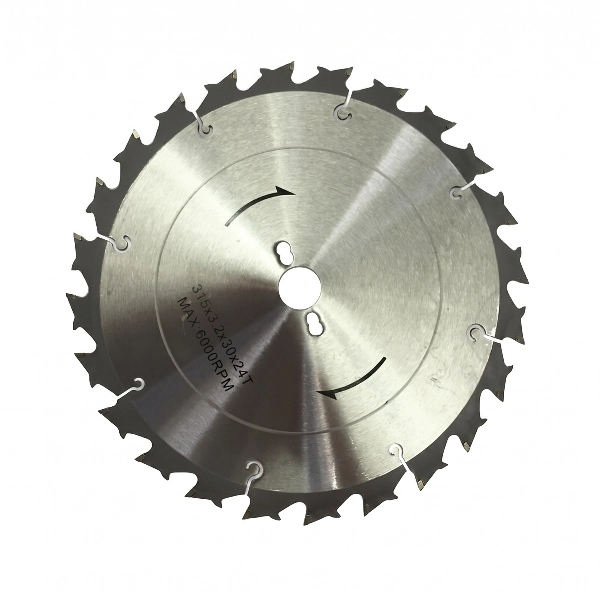
A dirty blade is usually easy to identify if you know what you’re looking for. The teeth appear dark or gummy rather than shiny metal. There may even be brown gunk stuck behind the carbide tips.
A dull blade will continue to struggle even if you clean it off. Gritty cuts won’t smooth out. Resistance will remain. You may even find chips in the carbide or dulled tooth edges once you take a closer look. Some ripping blades have resin-clearing features that prevent buildup around the teeth.

Which Materials Dull Circular Saw Blades the Fastest?
A lot of woods dull blades differently. Certain materials are tough on cutting edges, even when your blade is fresh out of the package. MDF will surprise a lot of people. It’s soft-looking but packed full of glue that gets worked into the teeth and slowly erodes them away with each pass. Particleboard and melamine will do this as well. So will plywood, especially during longer cuts when glue layers heat up against the blade.
Hardwoods behave differently. Oak, maple, and walnut typically won’t leave your blade covered in goop after cutting. But those dense wood fibers create additional friction as you cut. It’s noticeable during long rip cuts when your saw begins to heat up, and your feed speed begins to slow.
And then there’s the nasty stuff. Fiber cement. Composite decking. Reclaimed lumber dug up from who-knows-where at an old job site. These materials can kill a blade quicker than you might expect. Dirt, concrete dust, stray nails, and even dirt hidden inside reclaimed wood dull carbide edges quicker than many people realize.
Choosing the right circular saw blade type plays a bigger role in this than most think. Using a multi-purpose wood blade on abrasive material will drastically reduce its cutting life. Certain materials cut cleaner with triple-chip grind (TCG) blades because the tooth design spreads cutting forces more evenly and reduces edge chipping. This design choice helps spread out cutting pressure and minimize edge chipping.

How Can You Tell Whether the Problem Is the Blade or the Saw?
Not every rough cut is an indication that your blade is dull. Sometimes your saw is misbehaving. Other times, the blade is technically sharp but inappropriate for your wood type. Or glazed over with resin/buildup, or slightly damaged/bent. Which is why it’s important to know how to choose the right saw blade.
Begin by inspecting your blade, as most issues are going to be visible here first. Are your teeth chipped? Is your carbide missing? Are there dark burn marks near your cutting edge? Does your blade have noticeably uneven wear down one side? Give your blade a slow spin by hand. Look for any side-to-side wobble. Even a small bend in your blade will make your saw feel super rough and shaky when cutting. Also, heavy resin buildup will cause issues. A blade buried in pitch is going to drag through wood much differently than a clean blade.
An easy test is simply changing your blade on the same saw. If your cut instantly becomes buttery smooth, your blade was most likely the problem. If the cut is still rough, check your battery charge, verify your saw’s RPM rating, or listen for a strained motor. Sometimes, an entirely fine blade will cut poorly just because it’s the wrong blade tooth count or grind style for your needs.

Dull Circular Saw Blade FAQs
If cleaning the blade no longer improves performance and you continue to notice slow cuts, burn marks, rough edges, or excessive vibration, it is usually time to sharpen or replace the blade.
A dull blade may have rounded cutting edges, chipped teeth, or heat discoloration. However, many dull blades look normal, making slow cuts, burn marks, and rough edges more reliable signs of wear.
Your saw blade dulls quickly from cutting highly abrasive materials like MDF, cement board, or composites. The glue and dense fibers in these manufactured boards essentially sand against your carbide teeth. This generates extreme heat that can ruin an economy blade in just one weekend.
Depends. Built-up resin and glue can cause friction, which is similar to having a dull blade. Cleaning your blade properly can lead to faster feed speed and less burning.
No, warped blades, broken teeth, uneven wear, or just poorly balanced blades can cause similar issues.
Conclusion
Circular saw blades typically don’t fail catastrophically. The symptoms sneak up on you. Your cuts begin to drag. The edges of your plywood are starting to burn. The saw feels rougher, louder, and more difficult to push on long cuts. Eventually, you realize you are struggling against the saw rather than letting it do the work.
Dirty blades can actually feel exactly like dull blades too. Buildups of resin, MDF glue, and compressed sawdust increase resistance and generate more heat. Certain materials dull blades more quickly than others as well. Recognizing those signs early means cleaner cuts, less work for your saw, and a happier, safer cutting experience overall.