When it comes to choosing a brush cutter blade, the right choice starts with the job, not the blade itself. What you are cutting, where you are cutting, what your brush cutter can handle, and how often you will use it all affect which blade is right for you.
Instead of choosing the first blade that fits, copying someone else’s recommendation, or simply buying the most expensive option, take a few minutes to consider the factors that actually matter. This guide will show you how to choose a brush cutter blade with confidence and avoid guessing.
Table of Contents
- What Should You Consider When Choosing a Brush Cutter Blade?
- Why Does the Cutting Environment Matter When Choosing a Blade?
- Is Your Brush Cutter Designed to Handle the Blade You Want?
- How Much Cutting Will You Actually Do?
- Which Brush Cutter Blade Characteristics Matter Most?
- Conclusion
- FAQs About Choosing the Right Brush Cutter Blade
What Should You Consider When Choosing a Brush Cutter Blade?
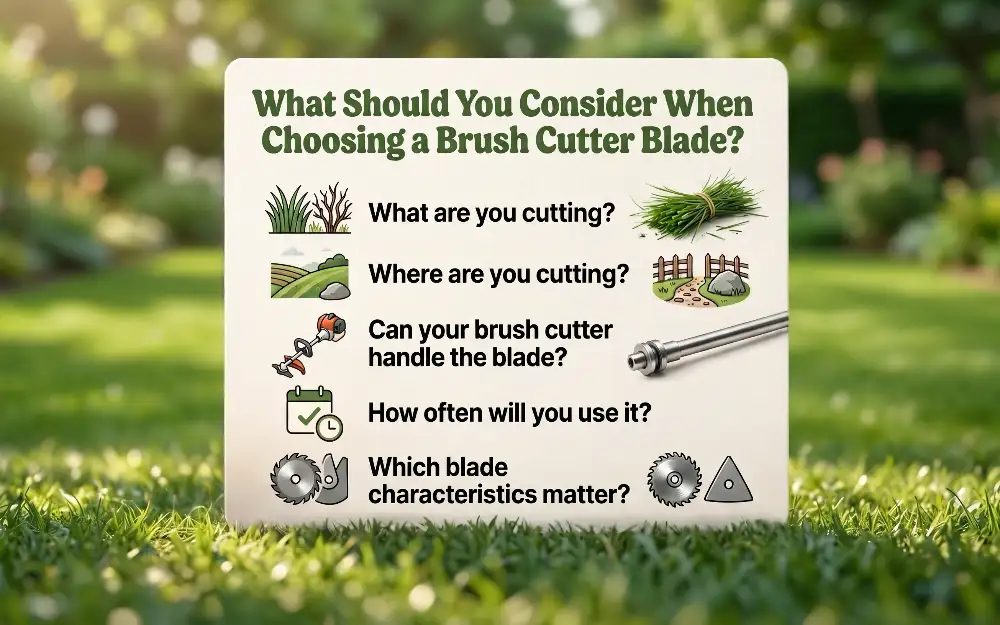
The right brush cutter blade depends on more than whether a blade fits your machine. Start by considering what you are cutting, where you are cutting, what your brush cutter can handle, how often you will use the blade, and which blade characteristics match the job.
Use these five questions to narrow down your choice:
- What are you cutting? Consider the type, density, and condition of the vegetation.
- Where are you cutting? Look at the terrain, work area, and potential obstacles.
- Can your brush cutter handle the blade? Check the machine’s power, maximum blade diameter, mounting requirements, and manufacturer specifications.
- How often will you use it? Match the blade’s durability to your workload and frequency of use.
- Which blade characteristics matter? Compare factors such as material, thickness, balance, and manufacturing quality.
The sections below walk through each factor so you can narrow down your choice before comparing specific brush cutter blades.
Why Does the Cutting Environment Matter When Choosing a Blade?
The cutting environment matters because the same vegetation can present very different challenges depending on where it is growing. An open area is one thing. A fence line, a row of fruit trees, or a weed-choked drainage ditch can require very different things from your blade and the equipment it’s mounted to.
Consider overgrown areas, for instance. Brush tends to hide rocks, fallen limbs, aged fencing wire, old tree stumps, and even concrete that’s been lying there for years. You won’t know about these hidden surprises until your blade contacts them first. Sloped ground also changes the game because you’ll never quite get your cutting height and angle consistent. You’ll be constantly bobbing and weaving just to keep cutting. When you take the entire surrounding environment into account before purchasing a blade, it will prevent headaches down the road.
Don’t forget about the vegetation itself either. Is it green and succulent or dry and brittle? Is everything loose and fluffy or compacted together into a dense mat? Does the vegetation slide away from your blade or hug it? Will it wrap around your blade or fight back with thick woody stems? When you start paying attention to these subtle clues rather than thinking “grass” or “brush,” your blade selection becomes less of a guess and more of a no-brainer.
Is Your Brush Cutter Designed to Handle the Blade You Want?
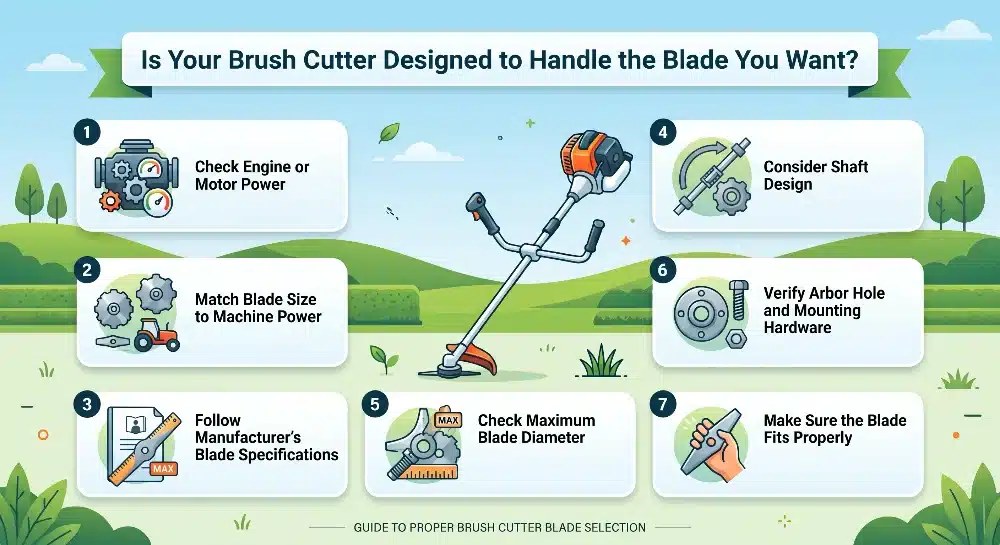
A brush cutter blade can be physically compatible with a machine without being a suitable choice for that machine. The brush cutter must have enough power and be designed to operate with the blade’s size and specifications. Choosing a blade beyond the manufacturer’s recommendations can reduce performance and put unnecessary strain on the equipment.
First, consider the engine or motor. A brush cutter with a small engine or low-output motor may not have enough power to maintain the blade speed needed for heavier cutting. The size of the blade is another factor involved with that. Larger blades generally require more power to keep the blade spinning effectively through heavy brush.
Shaft design can also give you a general idea of the machine’s intended use. Straight-shaft brush cutters are commonly used for heavier-duty cutting, while many curved-shaft brush cutters are designed for lighter-duty applications. However, shaft design should not replace the manufacturer’s specifications when determining which blade your machine can safely handle. Also check the maximum blade diameter the manufacturer recommends, as this is based on what the machine can handle under normal operating conditions.
After you have determined that your machine can handle the blade you have in mind, you’ll need to ensure that the blade will fit your machine properly. Double-check the arbor hole size, mounting hardware, and the manufacturer’s specifications before you place your order. These details may seem minor but can make the difference between a blade that is just compatible and one that performs as it should.
How Much Cutting Will You Actually Do?
The amount of cutting you do should influence how much you are willing to spend on a brush cutter blade. Consider how many hours you’ll spend cutting each year before you look at price. That is a far better question than trying to figure out which blade is cheapest. A blade that only sees weekend warrior action will not go through what a professional-grade blade cuts week after week.
If you only cut occasionally, you likely don’t need to spend a lot of money on a blade because it won’t be put into heavy use. Sure, the more expensive blade will last longer, but if you only log a few hours each year, the budget blade may meet your needs. Cutting seasonally? You’ll log more hours and begin to see the benefits of a more durable blade. What about if you maintain your land year-round? Now durability becomes an issue. And what about if you use your equipment for a commercial business? Professional-grade blades will be relied on to work day after day with as little downtime as possible.
This is why you hear many seasoned buyers saying price should not be your primary concern. Think about how often you will need to replace the blade. How much work can you get out of a blade before it loses performance? Will downtime to change blades cost you more in the long run? Spend a little more now and get a blade that will last longer.
Which Brush Cutter Blade Characteristics Matter Most?
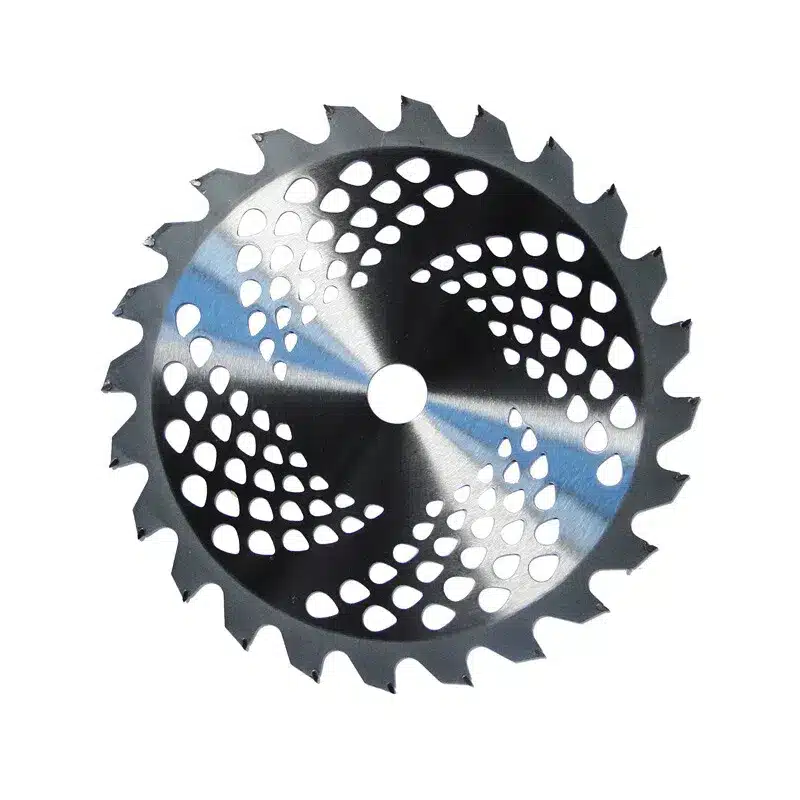
Material, thickness, balance, and manufacturing quality can all affect how a brush cutter blade performs. Two blades may look identical but act completely differently when put to use. The reason for this is that performance doesn’t solely depend on geometry, but on manufacturing as well.
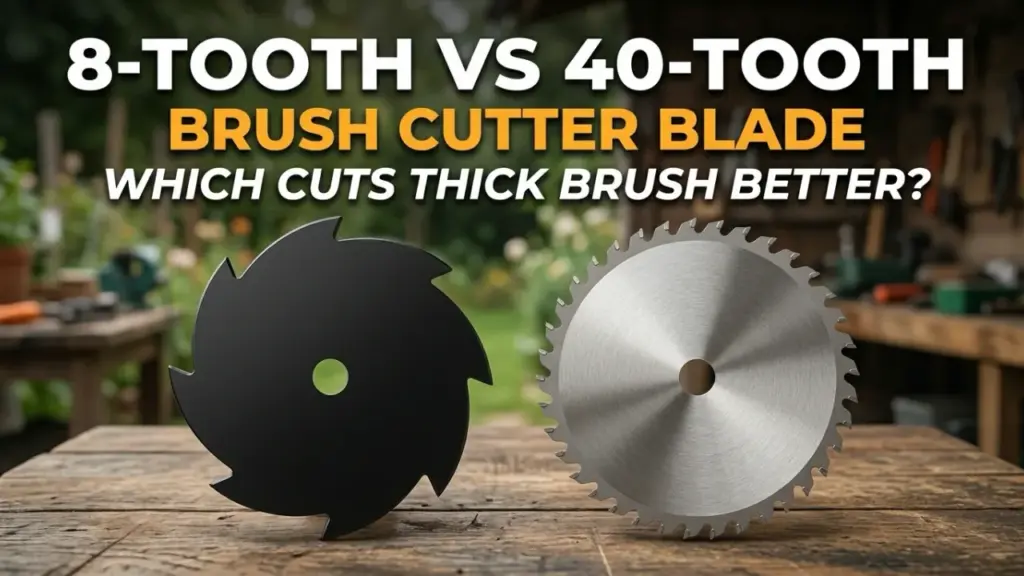
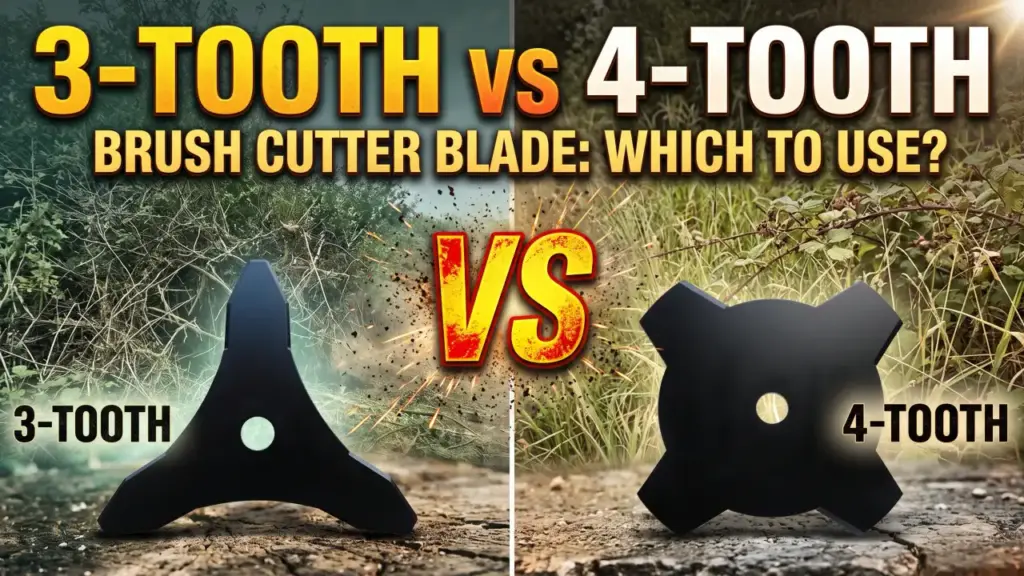
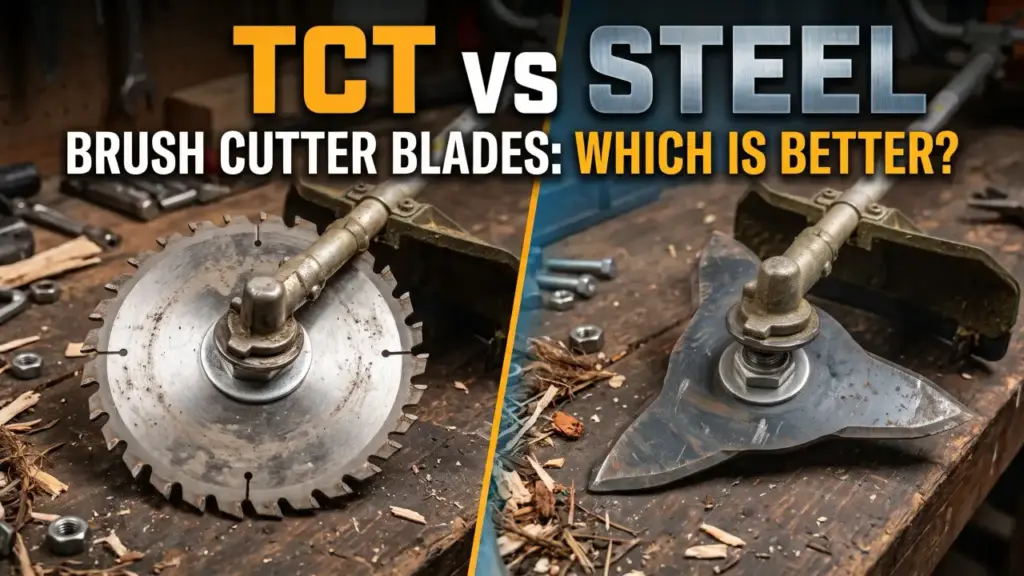
Take material, for example. Traditional steel blades are cheaper and easier to sharpen, but the edge can wear out faster than a carbide-tipped blade. Carbide edges hold up to frequent use much better, but come at a higher cost and are difficult to sharpen. Neither is better than the other; it all depends on the jobs your blade will be doing.
Thickness is another feature that affects performance. A thicker blade will usually be stiffer than a thin blade. This helps reduce flexing and bending when under heavy load. The added stability can allow the blade to cut more smoothly as well.
Lastly, manufacturing quality is important to a blade’s performance. A well-balanced blade will vibrate less when running, and proper heat treatment, precision manufacturing, and a clean finish can help the blade hold up better over time.
Conclusion
We began by telling you there are two ways to select a brush cutter blade. One is wrong. One is right. We hope you can now see the difference. The wrong way focuses on the blade first. The right way focuses on the job first.
Once you know what you are cutting, where you are cutting, what your machine is capable of, and how often you will be using your brush cutter, selecting the right blade becomes much simpler. You do not need to go out and get the largest blade possible or the most expensive. All you need is the one that will do the job. Chances are that will also be the blade that cuts better, lasts longer, and costs you less over time.
FAQs About Choosing the Right Brush Cutter Blade
Start by evaluating the conditions of your land. Consider the terrain, hidden hazards, vegetation, workload, and whether your brush cutter can safely handle the blade. Let those factors guide your decision instead of choosing a blade based only on price or appearance.
No. Added weight can provide more momentum, but it also puts more strain on the machine and can make the brush cutter harder to maneuver. Choose a blade that your brush cutter is designed to handle and that matches the vegetation you need to cut.
Not necessarily. One blade may handle several types of vegetation, but different conditions can call for different blade designs. If you regularly switch between grass, weeds, and woody brush, using blades suited to each application may improve cutting performance and blade life.
A blade needs more than a physical fit to work properly. You should match the arbor hole size, mounting hardware, maximum blade diameter, and other manufacturer specifications to your brush cutter before using the blade.
No. A higher price can reflect more durable materials, better manufacturing, or a longer service life, but those benefits may not be necessary for occasional use. Consider how often you will use the blade and whether the added durability justifies the extra cost.