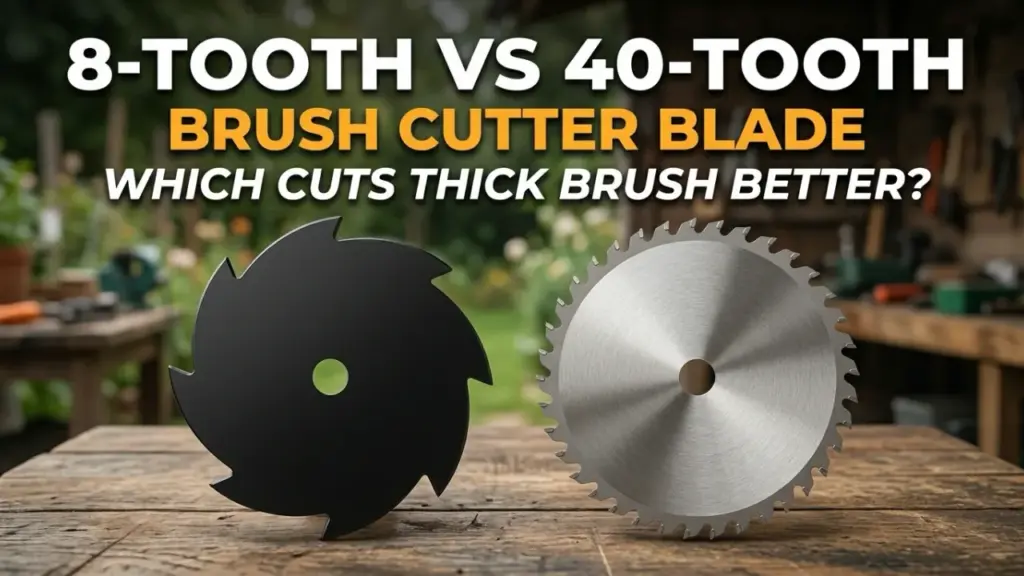
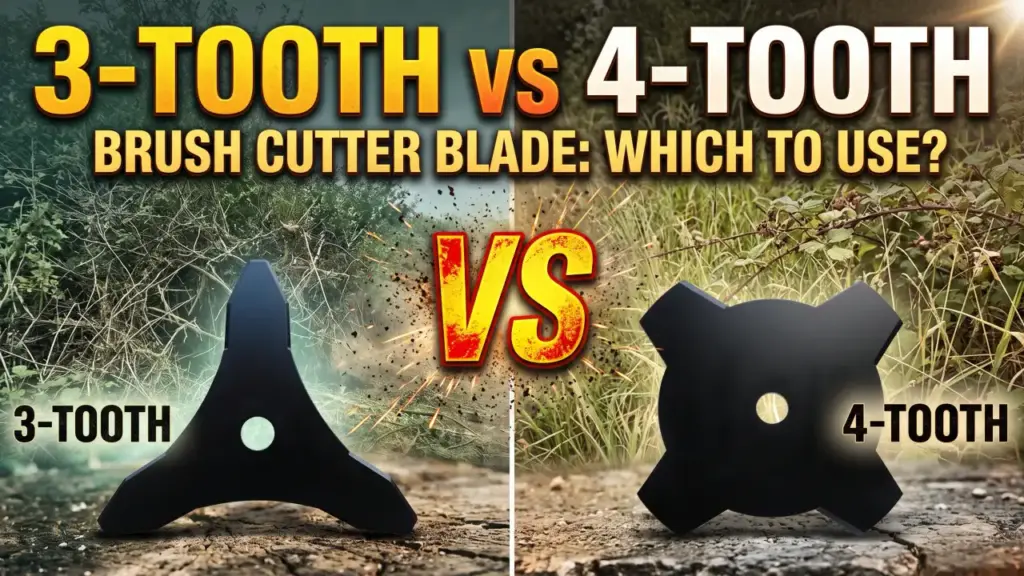
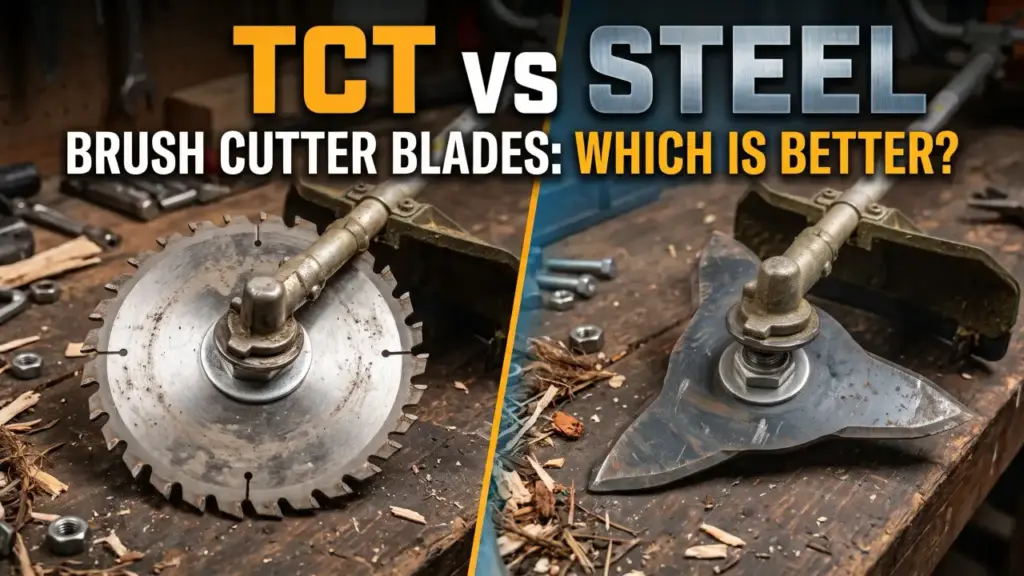
If you are looking at brush cutter blades and wondering whether 3 teeth, 8 teeth, or 40 teeth is the right choice, the number can be a little misleading. A blade with more teeth may look like the more powerful option, but that does not necessarily make it the better choice for the job.
The vegetation in front of you matters more. A patch of grass is one thing; tall weeds, dense growth, brush, and woody stems can call for a very different blade. And because those conditions often occur together, choosing the right tooth count is really about finding a good match for the work you expect the blade to handle.
This guide will help you narrow down the tooth count that makes sense for your cutting conditions, then explain how tooth count affects cutting performance, material clearance, and the load on your brush cutter.
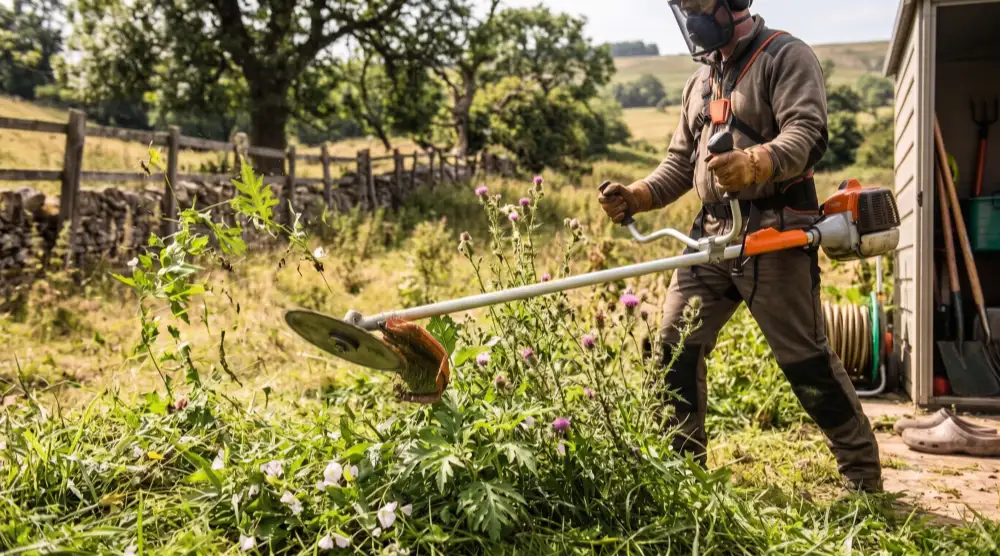
Table of Contents
- What Tooth Count Should You Choose for a Brush Cutter Blade?
- Does More Teeth Mean Better Cutting?
- How Does Tooth Count Affect Cutting Performance?
- Why Does Tooth Count Matter for Material Clearance?
- Does Tooth Count Affect the Power and Torque Required?
- Conclusion
- FAQs About Brush Cutter Blade Teeth
What Tooth Count Should You Choose for a Brush Cutter Blade?
For light grass and soft weeds, a 2- or 3-tooth brush cutter blade is a practical starting point. For tall or dense grass, tough weeds, or grass mixed with weeds, a 3- to 8-tooth blade is often a reasonable choice. When brush, woody stems, or other tougher growth become a major part of the job, consider a higher-tooth or specialized blade, with the appropriate tooth count depending on the blade design and brush cutter.
The table below gives you a starting point based on the vegetation you are most likely to encounter. The ranges are not strict rules, because tooth shape, blade construction, and machine specifications can change how a blade performs.
Brush Cutter Blade Tooth Count Guide
| Cutting Situation | Typical Vegetation | Tooth Count to Consider |
|---|---|---|
| Light, soft growth | Grass, soft weeds | 2–3 teeth |
| Tall or dense grass | Tall grass, coarse grass | 3–8 teeth |
| Tough weeds | Thick-stemmed or mature weeds | 3–8 teeth |
| Grass and weeds | Grass mixed with weeds | 3–8 teeth |
| Dense mixed vegetation | Grass, weeds, and tougher stems | 8–20 teeth |
| Light brush | Small shrubs, thin woody stems | 8–20 teeth |
| Dense brush | Thick weeds, shrubs, woody stems | 20–40+ teeth |
| Brush with small woody growth | Shrubs, saplings, and tougher stems | 40+ teeth* |
These are general starting points, not fixed rules. Actual suitability depends on tooth design, blade material, thickness, diameter, and the brush cutter’s specifications.
The important thing is not to treat the table as a strict formula. Real vegetation does not always fit neatly into one category. If you are mainly cutting grass with a small amount of soft weeds, there is little reason to choose a blade for heavy brush. If tough stems and woody growth make up a substantial part of the work, a blade intended for more demanding cutting may be a better fit.
Does More Teeth Mean Better Cutting?
No. More teeth do not automatically make a brush cutter blade better. Fewer teeth can be more effective for large amounts of soft grass and weeds because the more open cutting pattern leaves room for vegetation to clear the blade, while more teeth can be useful when tougher stems require more frequent cutting contact.
It is easy to assume that adding more teeth simply gives the blade more cutting power. But a brush cutter blade is not better just because it has more cutting edges.
Think about cutting through a thick patch of grass. The blade has to deal with a large amount of soft material, and the cut vegetation needs to move away as the blade continues rotating. A blade with fewer, more widely spaced teeth can work efficiently in that situation.
Now change the job to mature weeds or brush with tougher stems. The cutting problem is different. More closely spaced cutting edges can give the blade more frequent contact with those stems.
Neither situation makes one tooth count universally better. The useful tooth count is the one that matches the material and cutting conditions, not the one with the biggest number.
How Does Tooth Count Affect Cutting Performance?
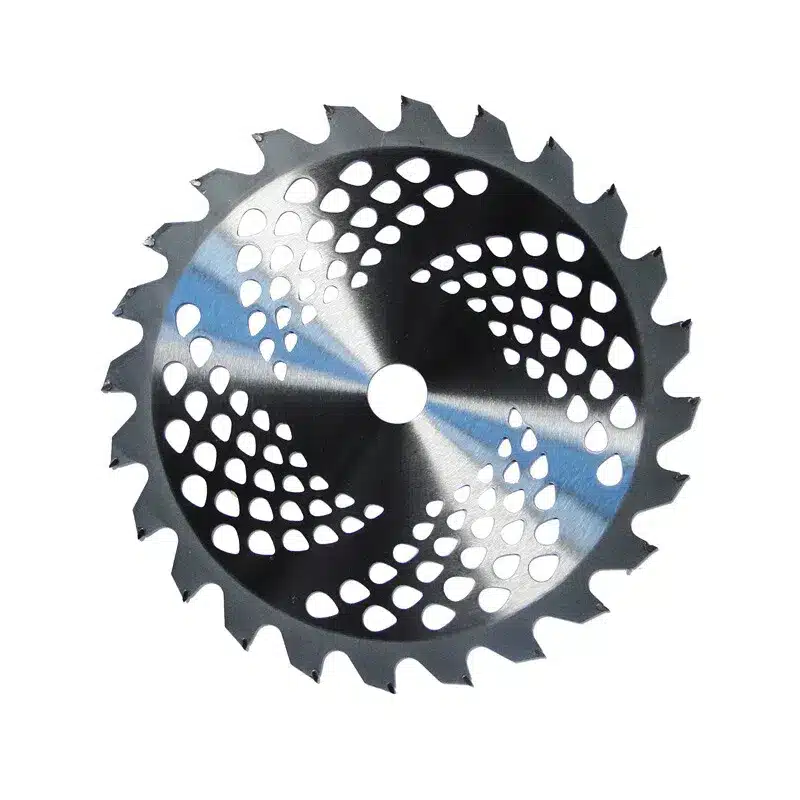
A lower tooth count generally gives each cutting edge more space and allows each tooth to take a larger bite, creating a more open cutting action. A higher tooth count places more cutting edges around the blade, so the blade makes contact with the material more frequently and each individual tooth generally handles a smaller bite.
That difference affects how the blade works its way through vegetation.
With fewer teeth, there is more space between one cutting edge and the next. The blade relies on fewer individual cutting actions during each rotation, but each tooth has more room to engage the material.
With more teeth, the cutting edges are distributed more closely around the blade. The blade can make contact with the material more frequently, which can be useful when dealing with tougher stems that need repeated cutting contact.
This does not mean that a higher tooth count always produces a cleaner, faster, or stronger cut. Tooth geometry has a major role as well. The shape and angle of the cutting edge affect how a tooth enters the material, while blade thickness and material affect how the cutting edge holds up during use.
That is why two blades with similar tooth counts can still feel quite different in actual work. Tooth count tells you how many cutting edges are present, but it does not tell you everything about how those edges are designed to cut.
Why Does Tooth Count Matter for Material Clearance?
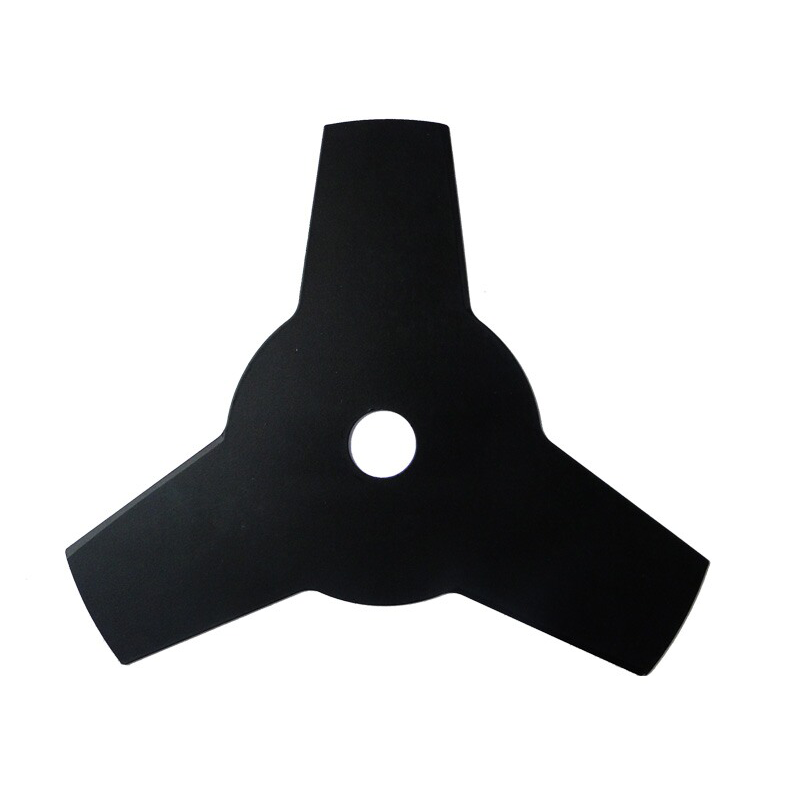
Tooth count matters for material clearance because the spaces between cutting edges give cut vegetation room to move away from the blade. Fewer teeth generally create larger open spaces, which can help when the blade is clearing large amounts of long, soft, or stringy vegetation.
This becomes particularly noticeable in tall or dense grass.
When the blade cuts grass, the job is not finished the instant the stems are severed. The cut material still has to move through and away from the cutting area. If the blade is surrounded by a large amount of long vegetation, having open spaces between the cutting edges can help keep the material moving.
A higher tooth count reduces the amount of open space between individual teeth. That arrangement can be useful when the blade is intended to make frequent contact with tougher stems, but it does not automatically give an advantage when the main challenge is clearing a large volume of soft vegetation.
So when choosing between tooth counts, consider not only how hard the material is to cut, but also how much material the blade needs to clear as it works.
Does Tooth Count Affect the Power and Torque Required?
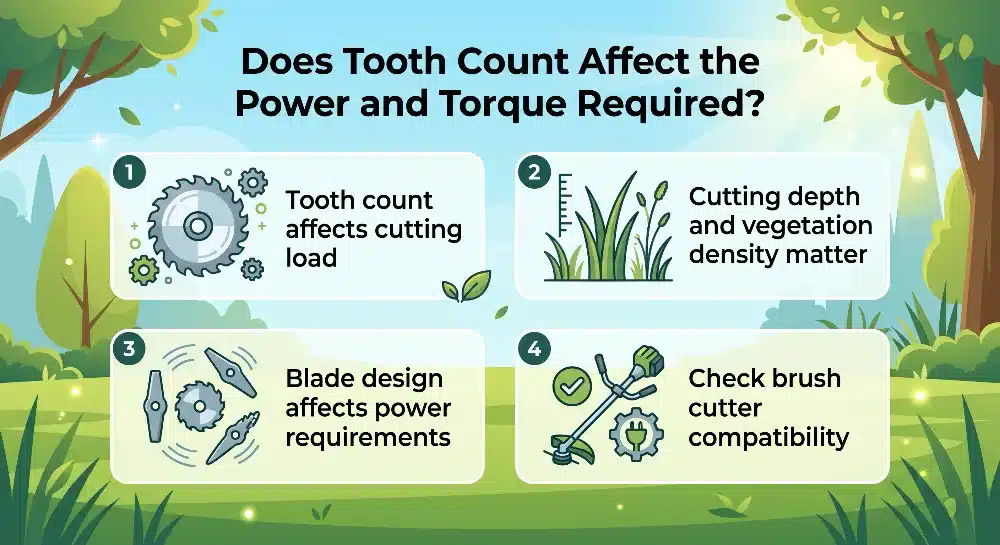
Yes, tooth count can affect the load placed on a brush cutter, but a higher tooth count does not automatically mean that a blade requires more power or torque. The actual load depends on how the teeth engage the material, how deeply the blade cuts, the blade’s size and design, and the density and toughness of the vegetation.
The same blade can place very different demands on a machine depending on how it is used. A light pass through grass is not the same as forcing the blade deep into a dense patch of tough stems.
Blade design matters here too. Tooth geometry affects how aggressively each cutting edge engages the material, while blade diameter and thickness influence the overall cutting load.
This is why tooth count should not be treated as a simple measurement of how much power a blade needs. A lower-tooth blade can still create substantial resistance when cutting tough material, while a higher-tooth blade is not automatically too demanding for the machine.
The final check is simple: the blade must be suitable for the cutting application and compatible with the brush cutter you are using.
Conclusion
There is no single tooth count that works best for every brush cutter job. Start with the vegetation you cut most often, use tooth count to narrow your choices, and then make sure the blade design and brush cutter are a suitable match. More teeth can be useful for tougher cutting, but more teeth are not automatically better.
FAQs About Brush Cutter Blade Teeth
A 3-tooth blade can be a better choice for grass and soft vegetation, while a 40-tooth blade may be better suited to certain brush or woody-growth applications. Neither tooth count is universally better because the material, tooth design, and cutting conditions all matter.
Yes, a high-tooth blade can cut grass when the blade is designed for that application. However, more teeth do not automatically make grass cutting faster or more efficient because cutting action and material clearance also depend on tooth spacing and the overall blade design.
Two- and three-tooth blades can work well for soft weeds and many routine weed-cutting jobs. When weeds become thick, mature, or heavily mixed with brush, a blade designed for tougher vegetation may be more appropriate.
A 40-tooth blade does not automatically need more power than a lower-tooth blade. Power requirements depend on the blade design, cutting depth, blade size, and the density and toughness of the vegetation, as well as the capabilities of the brush cutter.
Tooth geometry, blade material, thickness, diameter, and overall construction can all affect cutting performance in addition to tooth count. The blade must also be compatible with the brush cutter and suitable for the vegetation being cut.