There are dozens of different brush cutter blades available, and many claim to be “THE BEST” for cutting weeds. But when every blade promises cleaner cuts, faster clearing, and longer life, how do you know which one will actually work for your property?
The secret isn’t choosing the most expensive blade or the one with the most teeth. The best brush cutter blade depends on what you’re cutting, how dense the vegetation is, and where you’re working.
In this guide, we’ll compare the best brush cutter blades for different weed conditions and applications. You’ll learn which blades work best for soft weeds, thick growth, mixed vegetation, and different clearing jobs, while avoiding common mistakes that lead to poor cutting performance.
Table of Contents
- Best Brush Cutter Blade for Different Weed Types
- Choose the Right Brush Cutter Blade for Different Jobs
- Common Brush Cutter Blades for Cutting Weeds
- Common Mistakes When Choosing a Brush Cutter Blade
- Conclusion
- FAQs About Brush Cutter Blades for Weeds
Best Brush Cutter Blade for Different Weed Types
The right brush cutter blade depends on the type of weeds and vegetation you are cutting. Use the chart below to quickly find the blade style that matches your conditions, then read the details to understand why each option works best for different types of growth.
| Weed Type | Best Blade Choice |
|---|---|
| Soft, Young Weeds | 2-Tooth or 3-Tooth Steel Blade |
| Tall, Thick Weeds | 3-Tooth or Multi-Tooth Blade |
| Dense, Fibrous Weeds | Multi-Tooth Steel or Carbide-Tipped (TCT) Blade |
| Grass Mixed with Weeds | 4-Tooth or 8-Tooth Steel Blade |
| Light Brush Mixed with Weeds | Carbide-Tipped Blade |
Soft, Young Weeds
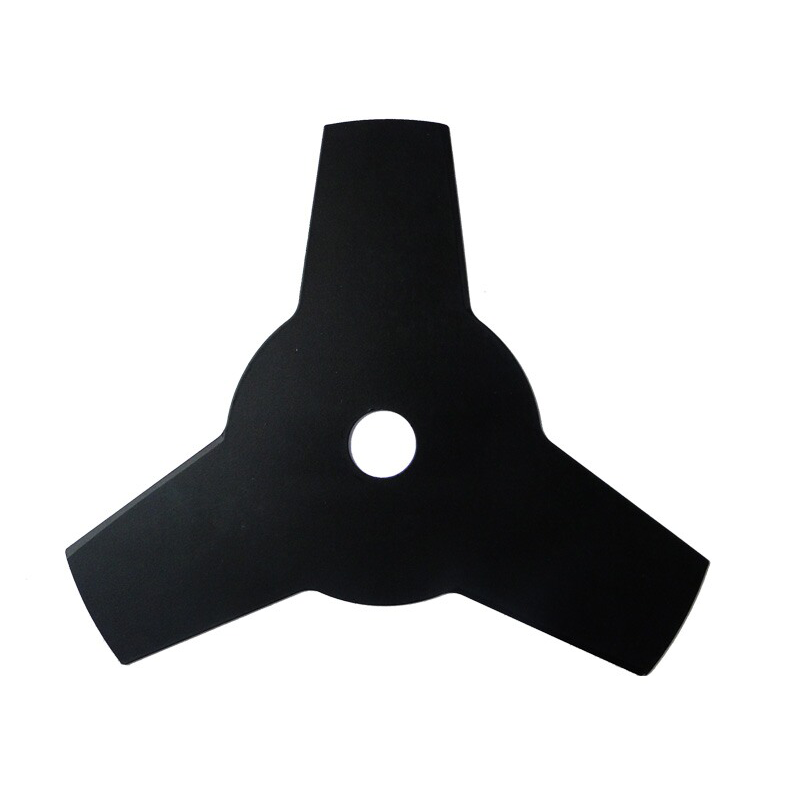
Green weeds with soft stems are easy to cut and do not require an aggressive blade. A 2-tooth or 3-tooth steel blade will cut through these types of weeds quickly with little drag, allowing you to cover more ground while putting less strain on your brush cutter. These blades are ideal for routine weed maintenance before weeds have a chance to become established.
Tall, Thick Weeds
Conditions change when weeds have a chance to grow tall. Dense vegetation increases drag, while long stems can easily wrap around smaller blades. A 3-tooth or multi-tooth blade gives you more cutting power and control, allowing you to cut through thick weeds more easily.
Dense, Fibrous Weeds
Old weeds with tough stems require a blade with more power and durability behind each tooth. Multi-tooth steel blades provide more cutting edges for tough, dense weeds with each pass, while carbide-tipped blades stay sharp longer under heavy use. Both are good options when blade durability is just as important as cutting power.
Grass Mixed with Weeds
You will rarely find a property with only weeds. Fence rows, orchard rows, drainage ditches, and overgrown gardens typically contain grasses mixed with areas of thick weeds. A multi-tooth steel blade is ideal for these conditions and won’t require you to change blades multiple times.
Light Brush Mixed with Weeds
Standard weed blades are designed for cutting through weeds, not saplings. When small woody debris starts showing up while you cut, a carbide-tipped blade will handle light brush as well as heavy weeds. But once brush cutting becomes your primary task, it’s time for a dedicated brush-cutting blade.
Choose the Right Brush Cutter Blade for Different Jobs
Your working environment can also affect which brush cutter blade will perform best. The same blade that works well for a small garden may not be the right choice for a farm, roadside, or overgrown property. Use the chart below to find a blade that matches your typical cutting conditions.
| Job / Application | Recommended Blade |
|---|---|
| Home Gardens | 2-Tooth or 3-Tooth Steel Blade |
| Farms and Orchards | 3-Tooth or Multi-Tooth Steel Blade |
| Roadsides and Fence Lines | Multi-Tooth Steel Blade |
| Vacant or Overgrown Land | Carbide-Tipped(TCT) Blade |
| Commercial Landscaping | Carbide-Tipped Blade |
Home Gardens
A 2-tooth or 3-tooth blade is ideal for most home gardens. Gardens are typically made up of soft grass, young weeds, and light seasonal growth. You won’t need to attack weeds or plants aggressively. A lighter steel blade will easily maneuver around flower beds, walkways, and landscaping. It also won’t put unnecessary stress on your brush cutter.
Farms and Orchards
Fields and orchards tend to have varying types of vegetation. One area may consist of short grass while another may be overtaken by tough weeds or dead crop matter. A 3-tooth or multi-tooth steel blade will allow you to cut efficiently throughout the day without changing blades.
Roadsides and Fence Lines
Roadsides and fence lines are commonly a mixture of tall grass, pesky weeds, and uneven terrain. A multi-tooth steel blade will allow you to maintain control when cutting through different types of vegetation. It will also provide consistent cutting performance over long areas.
Vacant or Overgrown Land
Overgrown vacant lots typically consist of thick weeds, woody stems, and brush. Carbide-tipped blades hold their edge longer under harsh conditions and can cut through some of the toughest vegetation with less wear.

Commercial Landscaping
If you’re a professional crew cutting all day every day, you’ll want a blade that offers the longest service life. Carbide-tipped blades stay sharper longer, require fewer blade changes, and provide consistent cutting results from property to property.
Common Brush Cutter Blades for Cutting Weeds
Brush cutter blades come in different designs, but the best choice depends on the type of weeds you are cutting and how often you use your machine. The chart below provides a quick comparison of the most common blade options for weed clearing.
| Blade Type | Best For | Limitations |
|---|---|---|
| 2-Tooth Blade | Soft, young weeds and routine maintenance around gardens, walkways, and fields | Struggles with thick weeds and heavy vegetation |
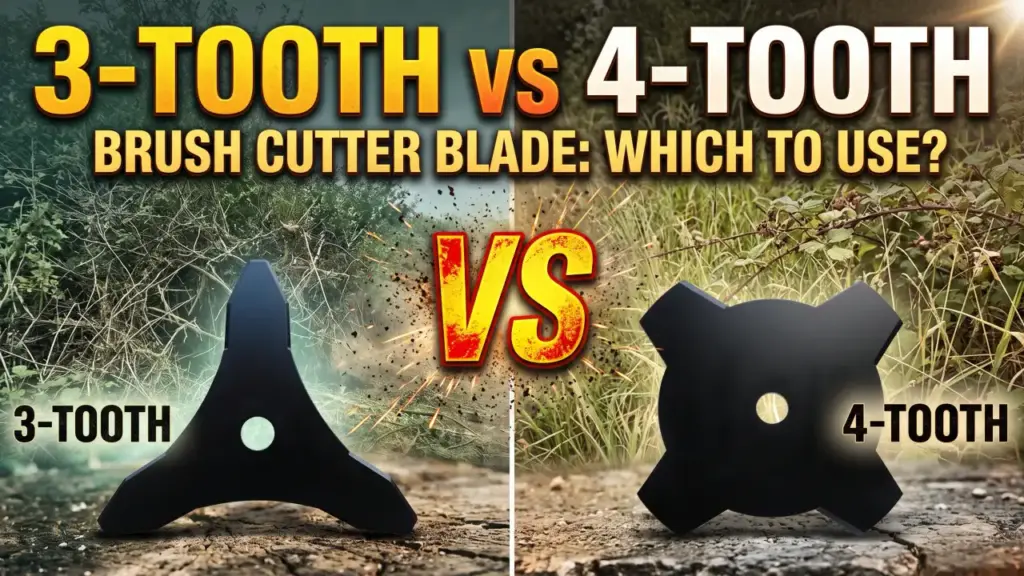
| 3-Tooth Blade | Tall weeds, grass, and medium-density growth | Not ideal for thick woody stems |
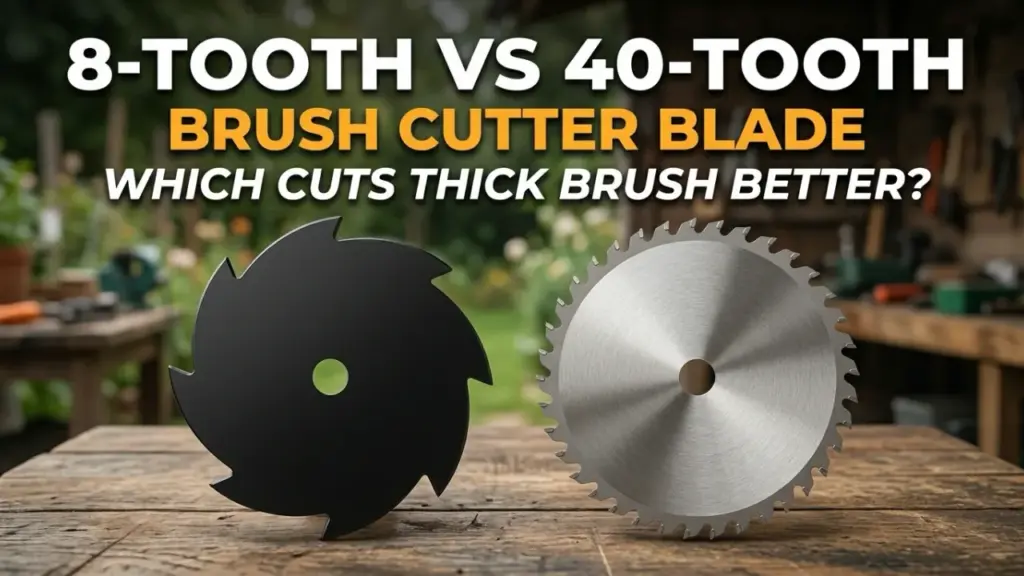
| 4-Tooth or 8-Tooth Steel Blade | Dense weeds, mixed vegetation, and larger clearing jobs | More than needed for light trimming |
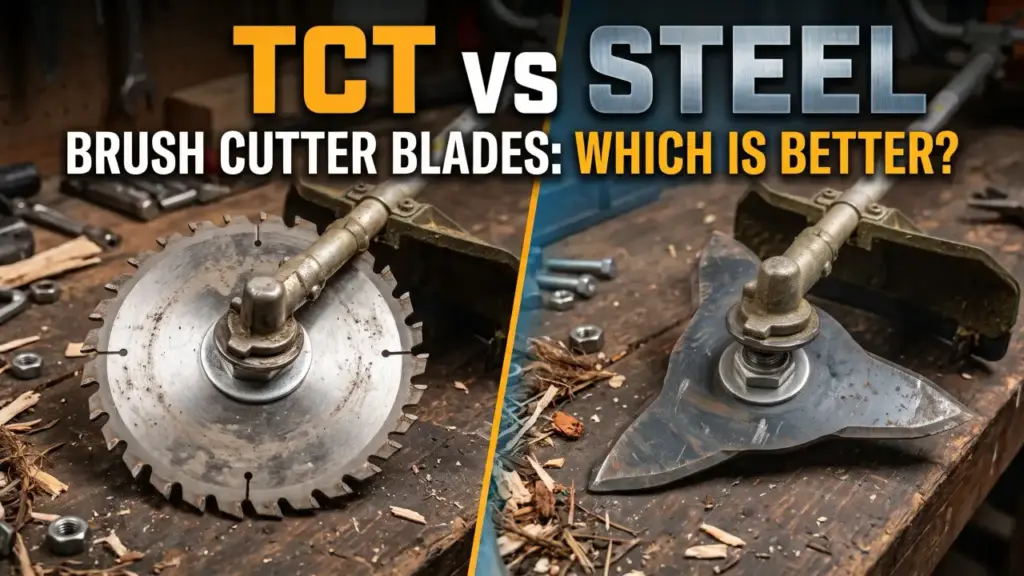
| Carbide-Tipped (TCT) Blade | Heavy weeds, overgrown land, and frequent professional use | Higher cost and unnecessary for occasional use |
Common Mistakes When Choosing a Brush Cutter Blade
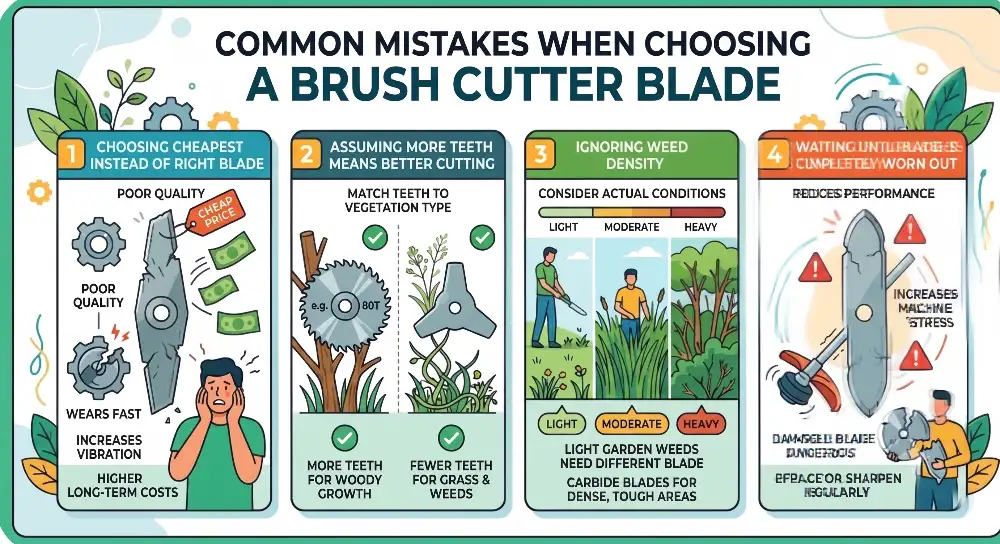
Choosing the wrong brush cutter blade can affect cutting performance, increase wear on your machine, and lead to unnecessary replacements. Avoid these common mistakes when selecting a blade for weed clearing.
Choosing the Cheapest Blade Instead of the Right Blade
The most common mistake is purchasing the least expensive blade rather than the correct blade for the job. Low-priced blades may wear out more quickly and increase vibration, which can cost more over time due to frequent replacement.
Assuming More Teeth Always Means Better Cutting
More teeth do not always mean better cutting performance. The number of teeth should match the type of vegetation being cut, not simply what advertisements suggest. Many thick, woody weeds are actually cut more effectively with fewer teeth and stronger cutting edges, while lighter vegetation may benefit from more cutting edges.
Ignoring Weed Density
A blade that works well for light garden weeds does not mean it will perform well in waist-high weeds and dense grass. Similarly, a heavy-duty carbide blade is unnecessary if you only use your brush cutter occasionally.
Waiting Until the Blade Is Completely Worn Out
A dull blade reduces cutting ability, increases vibration, and places additional stress on your brush cutter. Replace your blade when sharpening no longer restores cutting performance or when the blade becomes damaged.
Conclusion
There is no universal brush cutter blade that works perfectly for every situation. A blade that performs well in your yard may struggle in an overgrown pasture. Large stems, thick weeds, and uneven terrain all require different blade features.
Consider what you typically cut before purchasing a brush cutter blade. Choosing the right blade can improve cutting performance, reduce stress on your machine, and help the blade last longer.
You also won’t spend as much time wrestling with weeds that your brush cutter just can’t handle, which is better for both your machine and your wallet.
FAQs About Brush Cutter Blades for Weeds
A 3-tooth brush cutter blade works well for most tall weeds. For tougher, dense, or fibrous growth, a multi-tooth steel blade can provide more cutting power and better control.
Neither blade is better for every situation. A 3-tooth blade is a good choice for general weed cutting and lighter growth, while a multi-tooth blade provides better performance when weeds become thicker or more difficult to cut.
Yes. A 4-tooth or 8-tooth steel blade can handle a combination of grass, weeds, and some light brush, making it a practical choice for mixed vegetation. However, heavier brush may require a dedicated brush-cutting blade.
Carbide-tipped brush cutter blades are worth considering if you frequently clear thick weeds, overgrown areas, or large properties. Carbide stays sharper longer than standard steel, reducing sharpening frequency and blade changes during heavy use.
A brush cutter blade should be replaced when sharpening no longer restores cutting performance or when the blade becomes cracked, bent, chipped, or excessively worn. A damaged or dull blade can reduce cutting efficiency and increase stress on the machine.