Brush cutter blades can look surprisingly similar at first glance. They are all designed to cut vegetation, so it is easy to assume they are simply different versions of the same tool. The reality is that different vegetation requires different cutting approaches.
Fresh green grass bends easily. Dry stalks are brittle. Thick weeds resist cutting. Woody stems can behave more like small branches than grass. Expecting one blade to handle all of these materials equally well is asking a lot.
That is why brush cutter blades come in different designs. In this guide, you will learn about the most common types of brush cutter blades, what they are designed to cut, and how each type differs.
Table of Contents
- The Main Types of Brush Cutter Blades
- Comparing Brush Cutter Blade Types at a Glance
- How Brush Cutter Blade Design Affects Cutting Performance
- Conclusion
- FAQs About Brush Cutter Blade Types and Uses
The Main Types of Brush Cutter Blades
Brush cutter blades come in several designs, including 2-tooth, 3-tooth, 4-tooth, multi-tooth circular, brush knife, and carbide-tipped blades. Each type is designed for different vegetation, from grass and weeds to thick brush and woody plants. Choosing the correct blade for your task will make cutting easier, faster, and safer.
2-Tooth Blade
The 2-Tooth blade is designed for fast cutting. These blades have two long cutting edges, allowing them to quickly cut through tall grass, light weeds, and reeds. The wide space between the two cutting edges also allows debris to clear away more easily. This helps reduce material buildup around the blade and allows for smoother operation when covering larger areas.
3-Tooth Blade
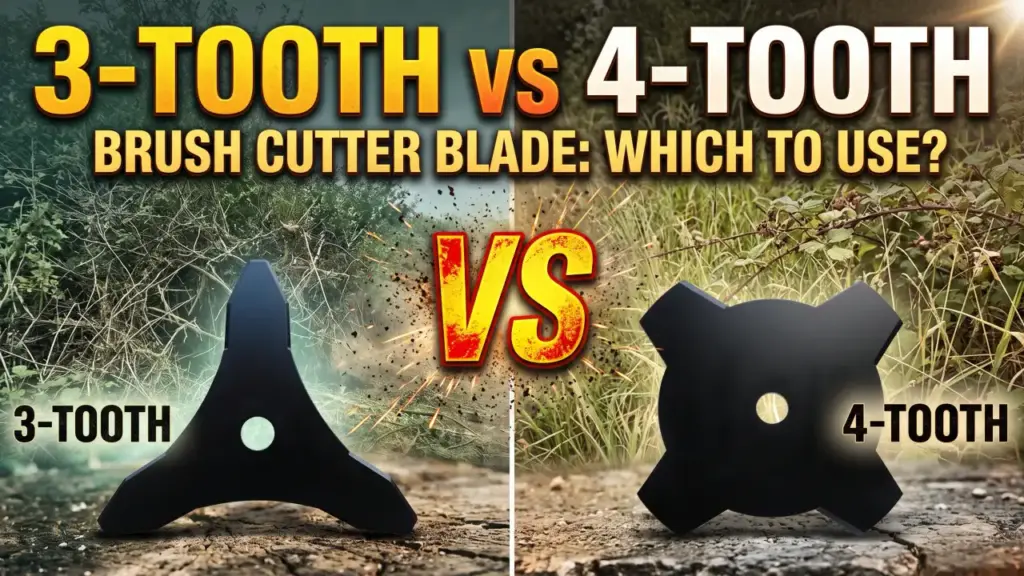
The 3-Tooth blade adds another cutting edge, creating a balance between cutting speed and control. The additional tooth increases contact with vegetation during each rotation, resulting in a more controlled cutting action. It also provides stronger chopping force for thicker weeds and heavier grass.
Many users consider this to be the ideal middle ground. It still clears vegetation efficiently while handling mixed weed growth better than a simple grass-cutting blade. You may lose some clearing speed compared with a 2-tooth blade, but the trade-off is more consistent performance across different conditions.
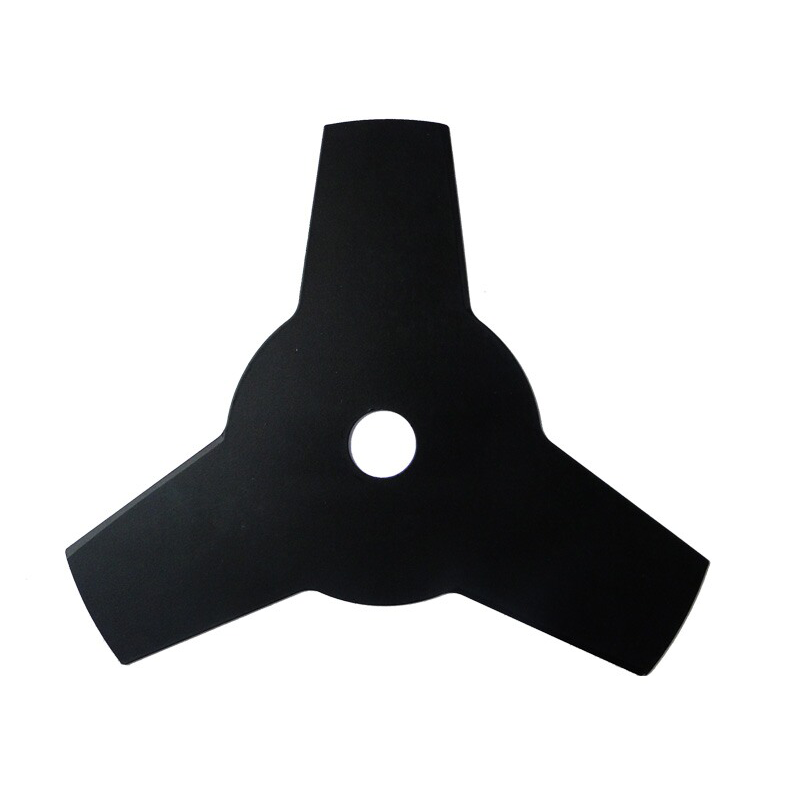
4-Tooth Blade
The 4-Tooth blade focuses on control and consistency. With four cutting edges, it provides more frequent contact points during each rotation. Less material is removed with each pass, which creates a more controlled cutting action and makes it easier to handle dense vegetation.
The cutting performance is more predictable with this style. Thick grass and heavy weeds are less likely to push the blade off course, and the result is often a cleaner cut. The trade-off is slower clearing speed compared with a 2-tooth blade.
Multi-Tooth Circular Blade
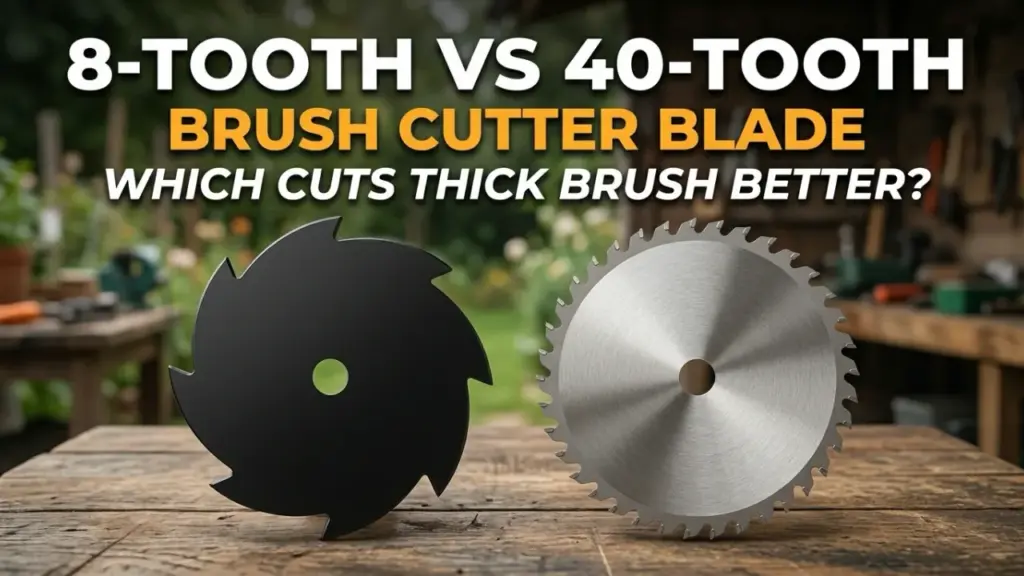
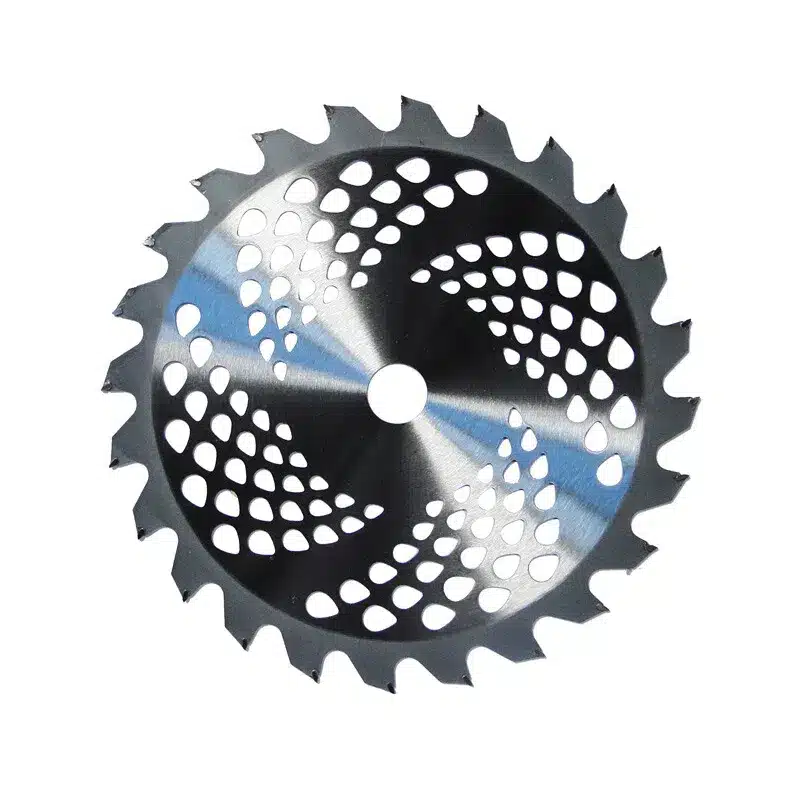
Multi-tooth circular blades work differently from flat blades. Instead of relying on heavy chopping force, they make many smaller cuts during each rotation. Because each tooth removes less material, these blades create finer cuts with less tearing.
The higher tooth count makes them especially useful for bushes, saplings, and woody brush where cleaner cuts are important. However, more teeth also create more contact with the material, which increases friction and resistance during use. These blades can cut softer vegetation as well, but their design is better suited for controlled cutting of thicker plants and woody material rather than the fastest grass clearing.
Brush Knife Blade
Brush knife blades focus on slicing material rather than sawing through it. Their long cutting edges gain momentum as the blade rotates, allowing them to slice through thick weeds, vines, and woody vegetation. This slicing action also reduces how much force you need to apply with each pass.
Some professional landscapers keep a brush knife for clearing heavily overgrown areas. Overgrowth rarely consists of grass alone. More often, you will find vines, brambles, woody shoots, and large weeds growing together. A brush knife can continue cutting through this tangled vegetation when a standard blade may struggle. The slicing action also makes it effective on uneven terrain.
Carbide-Tipped (TCT) Blade
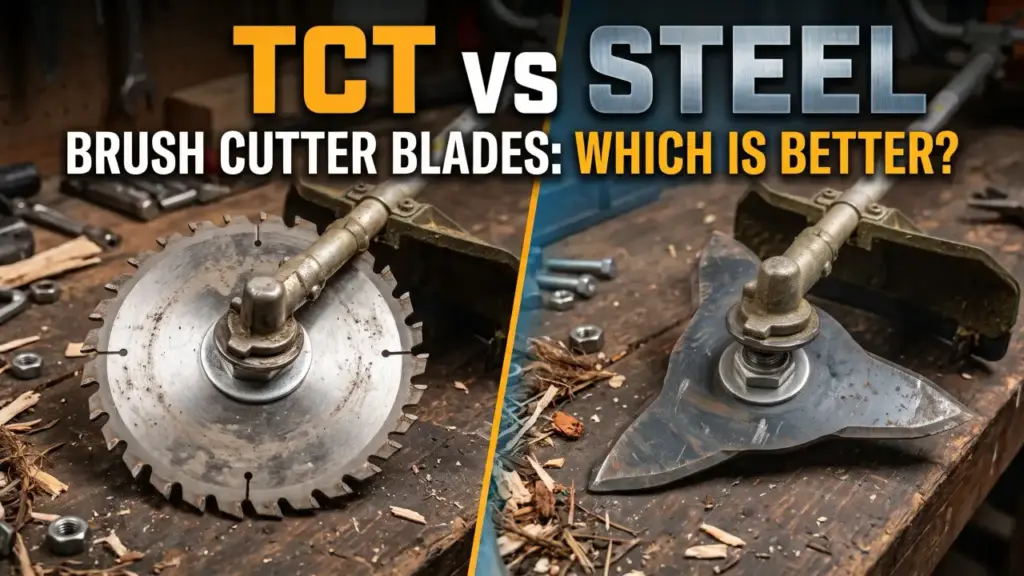
Carbide-tipped blades have a steel base with tungsten carbide teeth brazed onto the cutting edge. Because carbide is harder than steel, it helps the blade maintain its edge longer. Carbide also improves resistance to heat and wear during demanding cutting jobs.
The main downside is cost. Carbide-tipped blades typically cost more than standard steel blades, and damaged carbide teeth are more difficult to repair or replace. For occasional yard work, a regular steel blade is often sufficient. However, frequent users may find that the longer blade life and fewer sharpening sessions justify the higher upfront cost.
Comparing Brush Cutter Blade Types at a Glance
After understanding the different types of brush cutter blades, it helps to compare their main differences side by side. The table below provides a quick overview of each blade type, including its cutting action, ideal vegetation, main advantage, and limitation.
| Blade Type | Tooth Design | Cutting Action | Ideal Vegetation | Main Advantage | Limitation |
|---|---|---|---|---|---|
| 2-Tooth Flat Blade | Two large cutting edges | Fast sweeping cuts | Tall grass, reeds, light weeds | Covers large areas quickly | Rougher finish and more impact on each cutting edge |
| 3-Tooth Flat Blade | Three evenly spaced teeth | Balanced chopping action | Mixed grass, weeds, light brush | Good balance of speed and control | Slightly slower than a 2-tooth blade |
| 4-Tooth Flat Blade | Four cutting edges | Controlled cutting action | Dense grass and heavy weeds | Better control and cleaner finish | Slower clearing in open areas |
| Multi-Tooth Circular Blade | Many small teeth | Fine slicing cuts | Shrubs, saplings, woody brush | Cleaner cuts with less tearing | Higher friction and slower clearing in soft vegetation |
| Brush Knife Blade | Broad knife-style cutting edges | Momentum-driven slicing | Brambles, vines, thick weeds, neglected land | Handles tangled, overgrown vegetation well | Less suitable for fine grass cutting |
| Carbide-Tipped (TCT) Blade | Carbide-tipped cutting teeth | Precision cutting | Woody brush, abrasive vegetation | Stays sharp much longer | Higher purchase cost and harder to repair |
How Brush Cutter Blade Design Affects Cutting Performance
Brush cutter blade design affects cutting performance by changing how cutting force is transferred to vegetation. Tooth count, blade shape, and blade material all influence cutting speed, control, and durability.
Tooth Count Affects Cutting Style
The number of teeth on a blade changes the balance between cutting speed and control. Blades with fewer teeth create a more aggressive cutting action, making them effective for quickly clearing grass and light vegetation. Blades with more teeth make smaller, more controlled cuts, which can produce cleaner results when cutting thicker plants and woody material.
Blade Shape Changes How Vegetation Is Cut
Blade shape determines how cutting force interacts with vegetation. Flat blades rely on a chopping action to clear grass and weeds, while circular blades use multiple teeth to create a sawing-style cut through thicker material. Knife-style blades use long cutting edges and slicing action, making them effective for tangled weeds, vines, and overgrown areas.
Blade Material Affects Durability
The material used in a blade mainly affects edge retention and resistance to wear. Standard steel blades are affordable and suitable for general cutting tasks, while carbide-tipped blades use harder cutting teeth to maintain sharpness longer during demanding jobs involving woody or abrasive vegetation.
Conclusion
The closer you examine brush cutter blades, the less they appear to be universal. Even small differences in tooth count, cutting edge design, or blade material can significantly affect cutting performance. This is why experienced users do not simply choose the first brush cutter blade they find. They select a blade designed for the task at hand.
Pick the right blade, and it becomes an extension of yourself. You will cut more efficiently, reduce stress on your equipment, and avoid the frustration of using a blade that is not suited for the job.
FAQs About Brush Cutter Blade Types and Uses
Not every brush cutter blade is compatible with every machine. Before installing a new blade, check the blade diameter, mounting hole size, guard compatibility, and the power rating of your brush cutter to make sure they match your equipment.
The best brush cutter blade for thick weeds depends on the type of vegetation mixed in with the growth. A 3-tooth or 4-tooth blade works well for dense weeds, while a brush knife or multi-tooth circular blade may be better for areas with vines, woody stems, or heavier overgrowth.
No. More teeth do not always mean better cutting performance. Blades with more teeth usually create smoother, more controlled cuts but also create more friction. Blades with fewer teeth often clear grass and light weeds faster because they deliver more aggressive cutting action.
Using the wrong brush cutter blade may reduce cutting efficiency and make the machine work harder. The blade may cut more slowly, create more vibration, or wear the equipment faster when it is not suited for the vegetation being cleared.
Carbide-tipped blades cost more because tungsten carbide is harder than standard steel and helps the blade maintain its cutting edge longer. The higher upfront cost can be worthwhile for frequent users who cut abrasive vegetation and want longer blade life with fewer sharpening sessions.