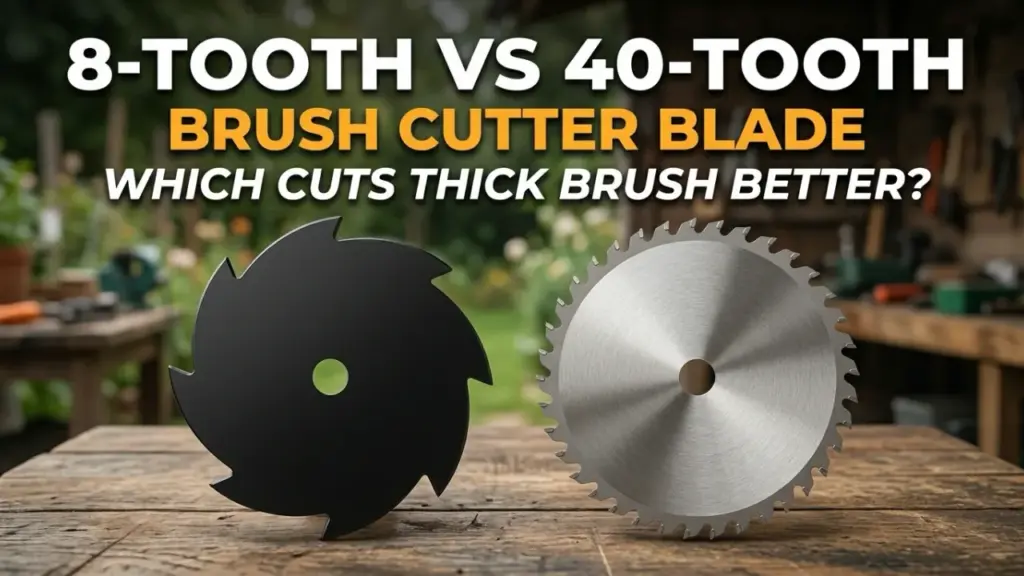
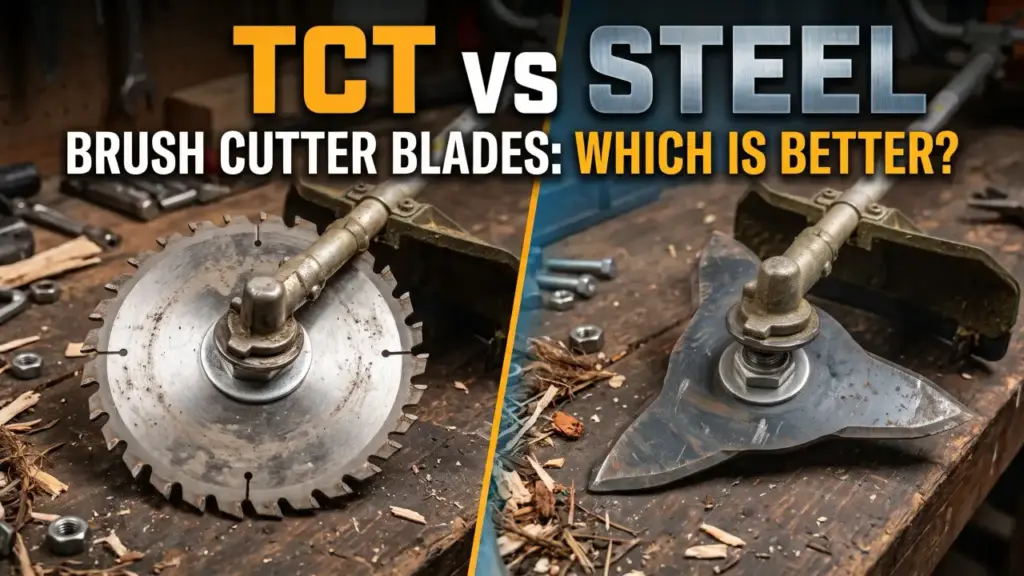
Some of the most problematic circular saw blades are the ones you unknowingly keep using. The blade spins. It cuts through wood. Of course, you think nothing is wrong and continue working. Yet you often ignore the warning signs. The saw feels different when you cut. Plywood suddenly feels harder to push through. Your rip cuts veer ever so slightly off course. The blade burns the wood instead of cutting cleanly. You may even notice an odd vibration when cutting larger pieces.
Most people think these are signs their saw is losing power or breaking down. While there could be some truth to that, there are several hidden factors at play. Sometimes all it takes is a good cleaning. Other times, the blade has gone too far for maintenance to help. In this article, we’ll look at the warning signs to watch for and when to replace a circular saw blade.
Table of Contents
- Quick Answer: When to Replace a Circular Saw Blade
- How Does a Circular Saw Blade Wear Out?
- Why Is My Circular Saw Blade Burning Wood?
- Why Does My Circular Saw Blade Vibrate or Wobble?
- Are Chipped Teeth Always a Reason to Replace the Blade?
- Why Do Cuts Start Wandering or Pulling Off the Line?
- Can Cleaning Fix Circular Saw Blade Problems?
- When Is a Circular Saw Blade No Longer Safe to Use?
- FAQs
- Conclusion
Quick Answer: When to Replace a Circular Saw Blade
Use the quick reference table below to determine whether your blade should be cleaned or replaced based on common symptoms.
| Symptom | What It Usually Means | Replace the Blade? |
|---|---|---|
| Burning wood after cleaning | Worn cutting edges or heat damage | Yes |
| Excessive vibration | Blade damage, warping, or imbalance | Usually |
| Wandering cuts | Uneven wear or a warped blade | Yes |
| Chipped carbide teeth | Damaged teeth affecting cut quality | Usually |
| Resin or pitch buildup only | Dirty blade | No (Clean First) |
How Does a Circular Saw Blade Wear Out?
Let’s be honest. A dull blade doesn’t instantly stop cutting. Instead, it wears down gradually over hundreds or thousands of cuts. That’s what makes dull blades so frustrating. Since the decline in performance is so gradual, most people don’t even realize it’s happening. They just notice that things don’t cut quite as easily as they used to. You may find yourself pushing a little harder through plywood. Or maybe all of your cuts feel a little rougher than normal. If you’re doing a lot of ripping and cross-cutting in hardwood or MDF, you may notice overheating.
Along with losing cutting ability, the blade changes as it wears down, too. The carbide cutting edges gradually roll over. Micro-cracks form around the teeth from hitting knots or hidden metal in the wood. Resin and pitch slowly build up around the gullets, causing the blade to run hotter. That extra heat creates another problem. Repeated heat cycles can gradually reduce blade tension over time.
Why Is My Circular Saw Blade Burning Wood?
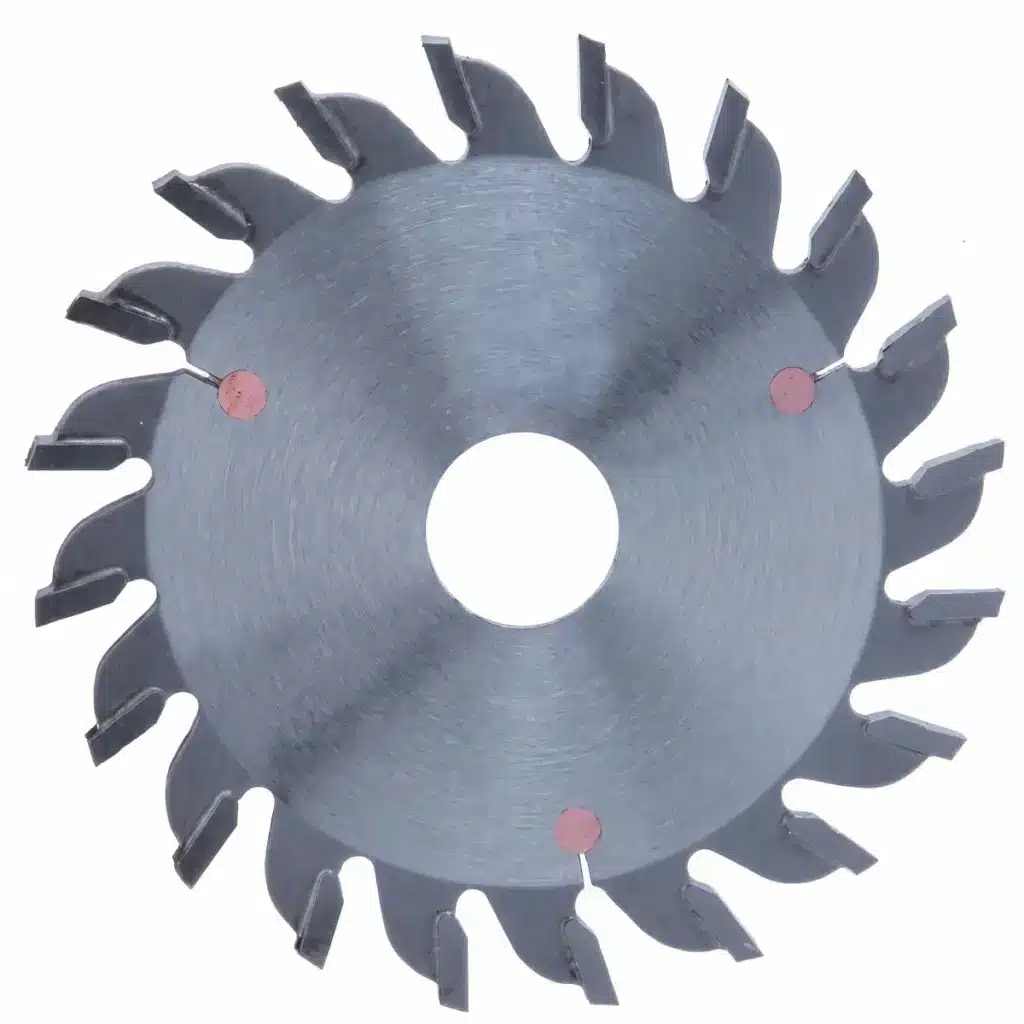
Burn marks are evidence of the blade dragging more than cutting. It’s easy to tell when it starts happening. You may notice a hot wood smell and smoke trailing behind the blade. The edge of your cut will turn dark brown while the saw seems to otherwise run fine.
Dirty blades are the leading cause of sudden burning. Resin, sap, glue residue, and fine MDF dust bake onto the teeth and inside gullets gradually. Soon, the blade cannot clear chips like it used to and quickly overheats. You may even notice your saw feels sluggish while cutting, like it’s sticky. Most folks throw away a perfectly good blade. When all you need to do is simply clean out the buildup around the teeth.
But cleaning isn’t always the answer. If the blade burns wood despite normal feed pressure, then the edge is probably already damaged by heat. Continuous overheating can reduce blade tension over time, and carbide tips will dull more quickly. In severe cases, prolonged overheating from excessive friction or improper feed rates can warp the blade plate, causing wobble and wandering cuts. Many higher-quality blades use non-stick coatings, specific tooth counts, and geometries designed to improve chip evacuation and reduce heat buildup.
Why Does My Circular Saw Blade Vibrate or Wobble?
Ideally, your circular saw blade shouldn’t wiggle during a cut. Granted, it’s not supposed to make ZERO noise while cutting, but it shouldn’t vibrate either. When you feel the saw’s handle vibrating in your hands, chances are, your blade is sending you a message.
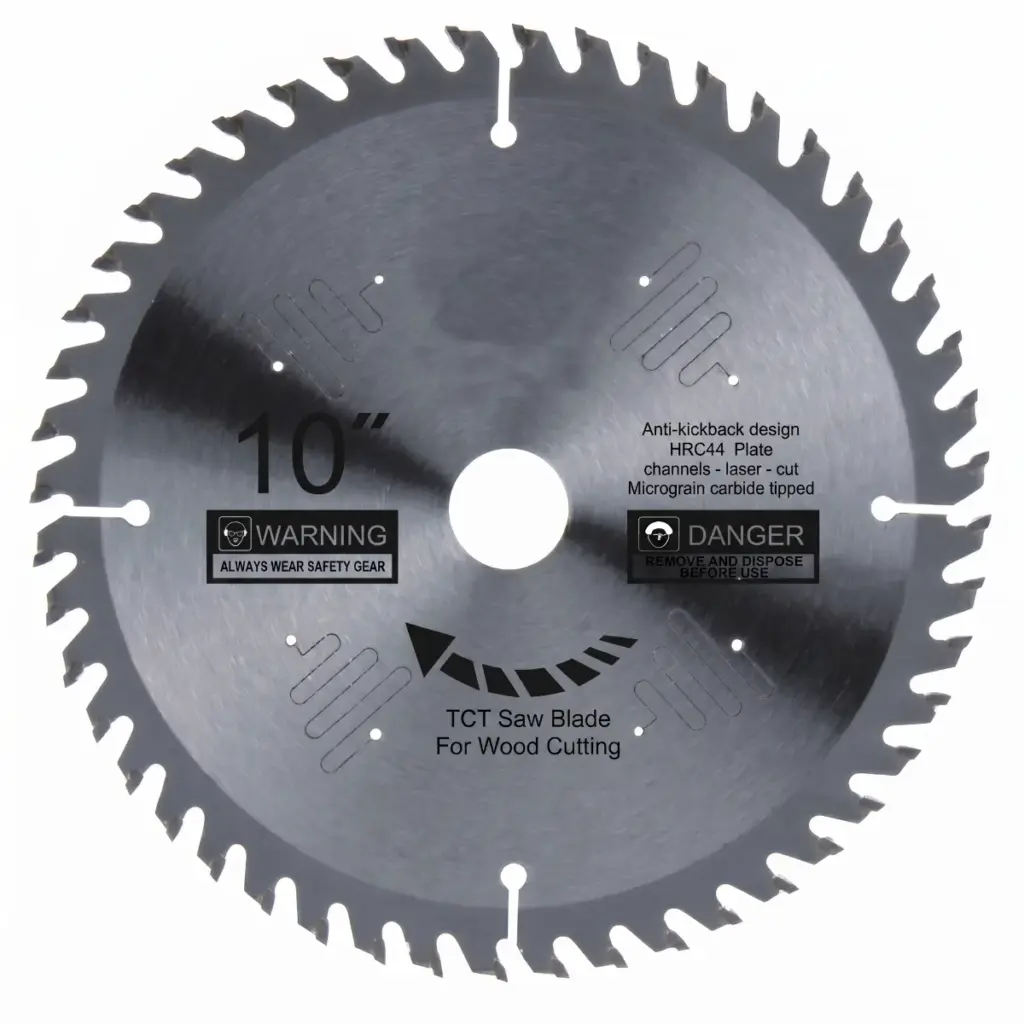
Heat can be a culprit. If a blade gets too hot repeatedly, it can lose tension over time. Chipped carbide teeth, uneven wear, or micro bends in the blade plate can cause imbalance. It shows up in your cut too. Maybe you’ll even see the blade wobble for a second while coasting to a stop after your cut.
Vibration isn’t just bad for your finished work. It wears you out too. Long rip cuts don’t feel as controlled. You can’t be quite as accurate. The extra motion stresses out the saw’s bearings. It can also lead to kickback if the blade catches and binds in the kerf. Higher-end blades often use laser-cut expansion slots and vibration-dampening designs to reduce vibration and operate more smoothly under heavy load.
Are Chipped Teeth Always a Reason to Replace the Blade?
No, not necessarily. A small chip in one tooth won’t immediately destroy a blade. Lots of folks continue to cut with slightly damaged teeth for a short period and never notice a problem right away.
But eventually, you will. Chipped teeth are almost always the result of something your blade type was never designed to cut. Secret screws in plywood. Dropping the blade on the driveway. Excessive heat from forcing the blade to cut too slowly through thick oak. When one tooth chips, the cutting load becomes uneven across the blade.
That’s when things start to feel off. Cuts aren’t as smooth. The blade sounds “wrong” while cutting hard. Your rip cuts start drifting more than normal. Maybe you feel excess vibration in the saw handle because the teeth are no longer supporting equal loads. Plus, once one tooth is damaged, the rest will wear faster. A chipped carbide tip forces the adjacent teeth to take on more work, which wears down the entire blade more quickly.
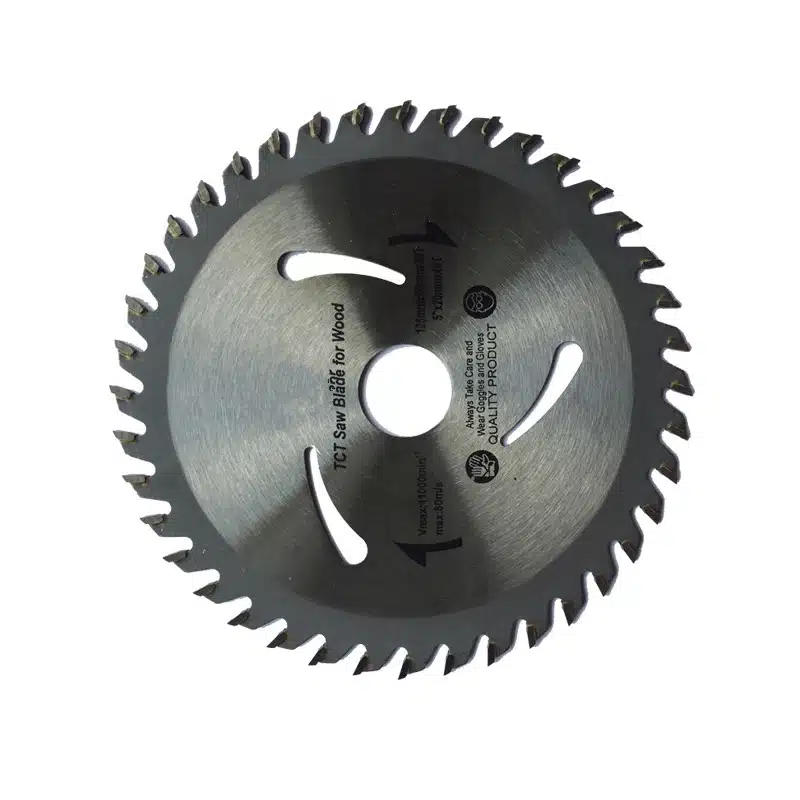
When multiple teeth are chipped, the carbide is cracked, or the blade plate is visibly bending near the damaged area, the blade is usually beyond repair. Replacement is often more cost-effective than repair. Especially cheap blades are not worth the time or effort to repair. Higher-quality carbide-tipped blades can withstand heavy use much longer, but they can still be damaged by a single hard impact.
TCT Saw Blade for Wood (Normal)
Why Do Cuts Start Wandering or Pulling Off the Line?
Ideally, your circular saw blade should track like a laser beam with hardly any input from your hands. When cuts continually start pulling away from the cut line, your saw is no longer cutting cleanly. Uneven tooth wear can cause this problem from the start. Or the blade plate may have warped slightly from heat build-up after years of heavy use on long rip cuts. Damaged carbide edges will cause it too. Once one side of your blade begins cutting harder than the other, the saw will slowly pull itself across your workpiece.
You’ll notice it the most when ripping long boards. Suddenly, your saw requires constant course corrections to keep it on track. The walls of your kerf are left rough instead of clean. Your blade will sometimes grab halfway through your cut too, particularly with plywood or sheet goods made of hardwood.
Wandering cuts are also dangerous. A crooked cut binds more easily in the kerf. That sudden snag can twist your saw unexpectedly while you’re cutting. You have very little time to react to that loss of control, especially if your blade is already overheated.
Can Cleaning Fix Circular Saw Blade Problems?
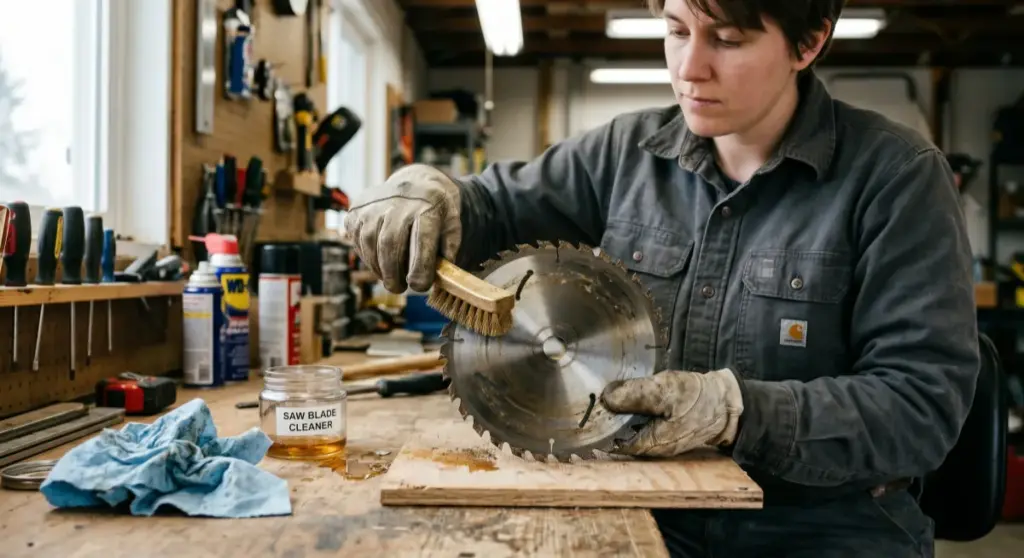
Yes, it can. Sometimes blades that seem dead are simply dirty from spending weeks cutting plywood, pressure-treated wood, or high-resin lumber.
Pitch, glue residue, sap, and super-fine sawdust bake onto the teeth and inside the gullets. Eventually, enough gunk builds up that the blade no longer wants to cut cleanly and begins to drag through material. The saw feels like it’s running slower. It heats up quicker. Chips no longer clear out of the kerf cleanly, so the entire cut feels sticky and rough rather than slick.
It’s usually easy to tell the difference. The teeth look grimy and dark instead of shiny metal. Cutting performance slowly decreases over time rather than failing after one nasty cut. And the blade still cuts straight. There’s no wobble, no weird vibration, and no chipped teeth.
Cleaning fixes this problem, but it won’t help if the blade itself has problems. If the blade continues to burn after cleaning, veers away from the cut line, or starts vibrating as it cuts, there may be more going on than dirt buildup.
When Is a Circular Saw Blade No Longer Safe to Use?
To put it bluntly: Your circular saw blade is no longer safe to use when the blade stops performing reliably in a cut. That’s the threshold. Stability equals safety. Past that point, danger increases exponentially.
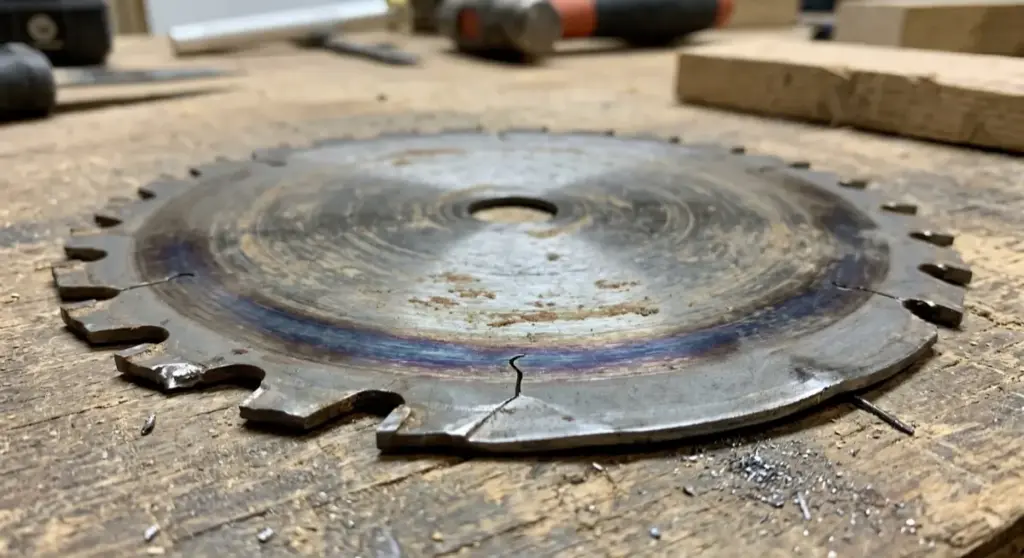
Certain issues are deal breakers. Replace your blade if you notice any of the following:
- Visible cracks anywhere on the steel plate
- Missing or fractured carbide teeth
- Severe wobble while spinning
- A bent rim
- Dark blue heat discoloration from repeated overheating
Those issues won’t improve by cutting “just one more.”
Blade deterioration is insidious though. It creeps up on you. Little by little, you find yourself leaning in to force the blade through cuts. You no longer notice that your cuts aren’t as smooth. Extra blade vibration doesn’t bother you because the saw “still cuts, right?” Too many people operate dull blades far longer than they should.
It costs you in ways you don’t realize, too. Cuts take longer to make, motors overheat more easily, and nice plywood is ruined by blade drift. Worse yet, operating a compromised tool drastically increases your risk of severe injury. Your hands and shoulders will certainly notice when you stop fighting your saw and let a sharp blade do the work.
FAQs
Yes. Heat damage can cause micro-fractures, warped plates, or chipped teeth before the blade feels noticeably dull. Vibration and wandering cuts often appear first.
Likely, your cutting edge is already heat-damaged or worn down. Cleaning will remove pitch buildup but not fix damaged carbide.
Not necessarily. However, if your blade has heavy or increasing vibration, something is likely wrong with the blade balance or integrity.
Forcing cuts, prolonged blade overheating, poor cooling, and even broken blade tension are common causes.
It depends on usage, material, and blade quality. Light DIY use can last several months to a year, while frequent cutting of hardwood or abrasive materials may dull a blade within weeks.
Conclusion
Blades don’t usually get replaced as soon as they start to dull. Most people keep using them for weeks, dealing with harder cuts, burn marks, and drifting lines, before realizing the blade is the real problem. By the time you’ve had several burnt cuts or notice plywood starting to wander off a clamped straightedge, it’s usually already time to choose the right circular saw blade as a replacement.
That’s really the problem with dull blades. They slowly force you to become better at using a circular saw. Sometimes it can be easily fixed. Wipe off the pitch, and the blade cuts like new. But once the blade begins to wobble, vibrate, wander, or generate heat on straight cuts, the issue is likely more than just buildup. At that point, it quits being economical and becomes dangerous.