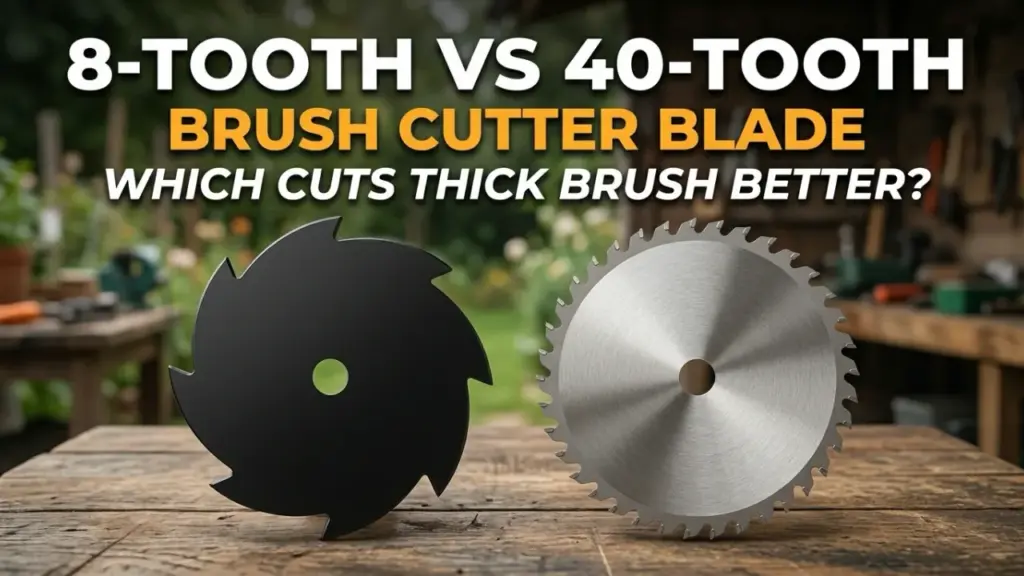
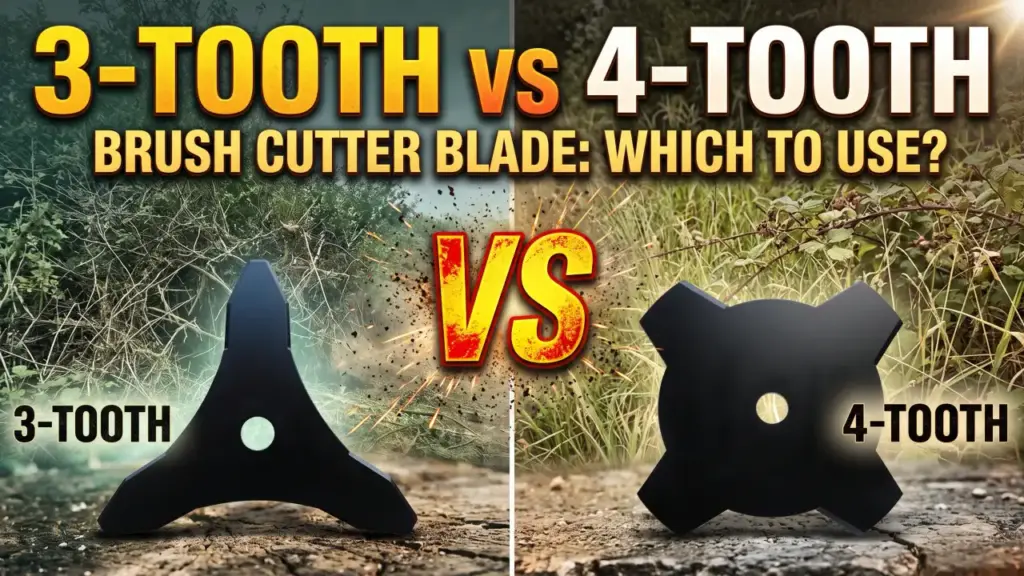
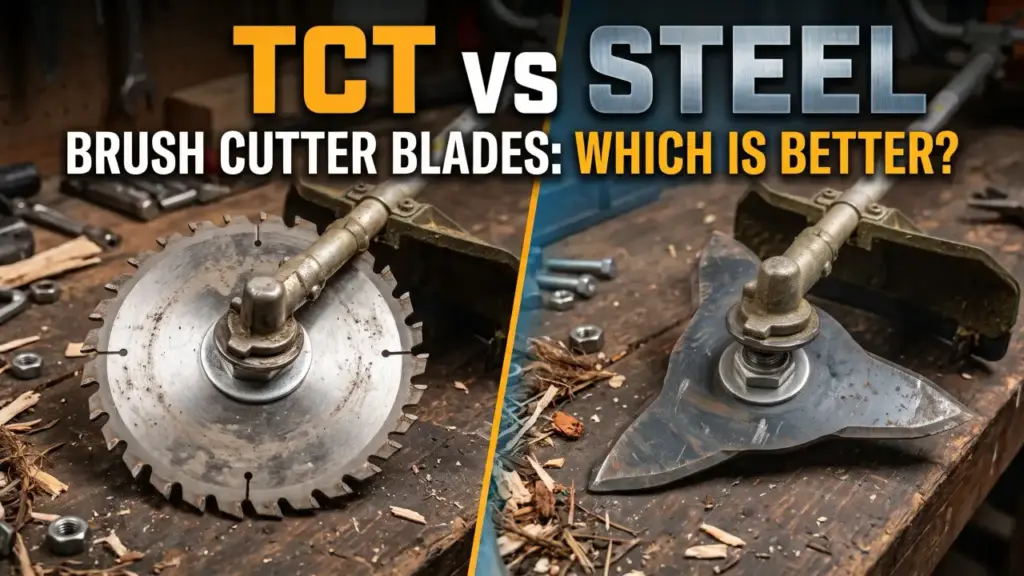
There is no single brush cutter blade that works best for every type of bramble. Young shoots growing through your lawn require a different approach than mature blackberry canes that have been neglected for decades. Treating them as the same problem can leave you working slower, struggling with unnecessary frustration, or wearing out your blade faster.
The right choice is not about finding the most aggressive blade. It’s about matching your brush cutter blade to the type of brambles you need to clear. This guide will help you identify the growth you’re dealing with and choose the right blade for the job.
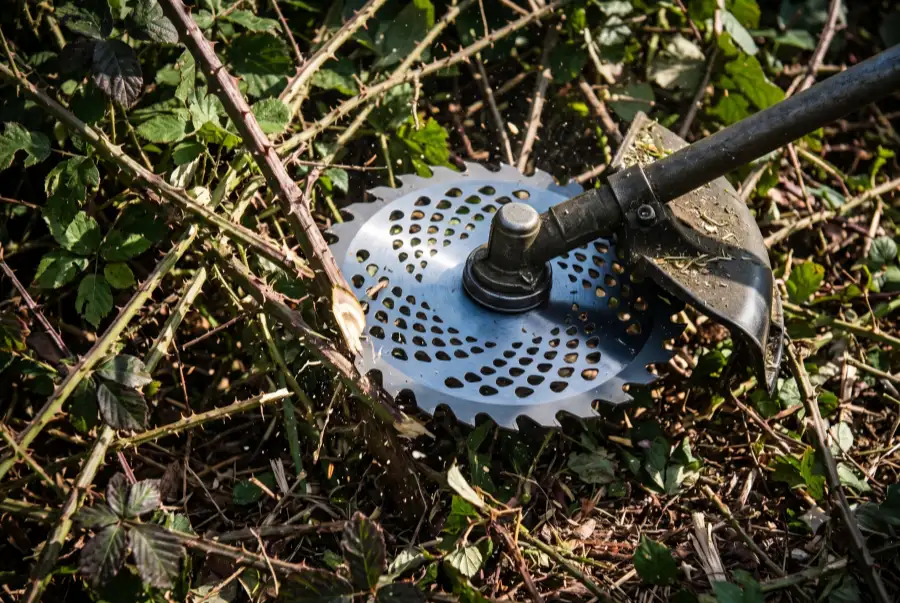
Table of Contents
- Why Do Brambles Require a Different Brush Cutter Blade?
- What Is the Best Brush Cutter Blade for Different Types of Brambles?
- What to Consider Before Buying a Brush Cutter Blade for Brambles
- Conclusion
- FAQs About Brush Cutter Blades for Brambles
Why Do Brambles Require a Different Brush Cutter Blade?
Brambles require a different brush cutter blade because their tough, tangled growth creates more resistance and puts more stress on cutting equipment than softer vegetation.
Cutting through brambles is nothing like slicing through tall grass or common weeds. Sure, they start soft and green, but let them grow unchecked for a year or two, and those stems turn into thick, woody canes that really put up a fight. Instead of cutting cleanly through the brambles, the blade encounters more resistance. Not only will that additional resistance dull the blade more quickly, but it can also put extra wear on the brush cutter itself.
The growth habit of brambles makes the job even harder. Brambles don’t grow in contained areas. They arch over, twist around each other, and latch onto whatever’s nearby, creating a thick web.
To make things worse, most patches also contain other debris. From deadfall and nettles to grass and light brush to rocks or old fence wire that nobody bothered to pick up. All these hidden surprises create additional stress on the blade and decrease its lifespan.
With that in mind, check the growth before selecting a blade. Different bramble conditions require different cutting approaches, and choosing the right blade will make the job much easier.
What Is the Best Brush Cutter Blade for Different Types of Brambles?
The best brush cutter blade for brambles depends on the type of growth you need to clear. Young shoots, thick woody canes, and dense overgrown patches all require different cutting approaches.
Matching the blade to the growth you’re cutting will save time, reduce effort, and minimize wear on both you and your equipment.
Use the comparison table below to quickly find the right brush cutter blade for your bramble-clearing situation.
| Bramble Situation | Recommended Blade | Why It Works |
|---|---|---|
| Young Brambles Mixed With Grass | 3-tooth or 4-tooth steel brush blade | Cuts soft vegetation and young stems |
| Mature Blackberry Bushes With Woody Canes | Carbide-tipped brush blade | Handles tough woody growth |
| Dense Bramble Growth on Overgrown Lots | Heavy-duty steel brush blade or carbide-tipped blade | Handles continuous heavy cutting |
| Brambles Mixed With Weeds and Light Brush | 3-tooth steel brush blade | Versatile for mixed vegetation |
| Brambles Near Fences, Trees, and Property Lines | Steel brush blade + nylon line head | Clears stems with precise cleanup |
Young Brambles Mixed With Grass
A 3-tooth or 4-tooth steel brush blade is usually the best choice for young brambles mixed with grass. It can handle both light vegetation and small bramble stems without creating unnecessary drag.
Young brambles often grow among tall grass and other soft weeds. You can identify them by their green stems, which snap easily when cut. A steel brush blade can handle both grass and scrub brambles at the same time.
A carbide-tipped brush blade would probably survive longer, but it’s simply overkill for this job. You won’t notice a big difference in ease of cut.
Mature Blackberry Bushes With Woody Canes
A carbide-tipped brush blade is usually the best choice for thick woody brambles. It can handle tougher stems without wearing down as quickly as a standard steel blade.
Mature blackberry bushes are a common example of thick woody brambles. Their canes have had more time to grow tougher and woodier, making them much harder to cut with ordinary steel brush blades. A carbide blade’s ability to retain an edge under repeated impact means fewer stops for blade maintenance. That can make a big difference when clearing large areas of mature brush.
Cutting speed is less important when dealing with mature brush. The priority is using a blade that can handle the workload.

Dense Bramble Growth on Overgrown Lots
A heavy-duty steel brush blade or carbide-tipped blade is usually the best choice for dense bramble growth on overgrown lots.
It’s rare to find a patch reclaimed by nature that’s solely overgrown with brambles. The growth often includes a wide variety of dead canes, vines, weeds, and concealed branches. When cutting in heavily weeded areas, your brush blade spends more time under load instead of making easy cuts through clear patches.
These tougher conditions require a blade that can handle hours of continuous cutting. Thinner, budget varieties are more likely to struggle during extended work sessions.
Brambles Mixed With Weeds and Light Brush
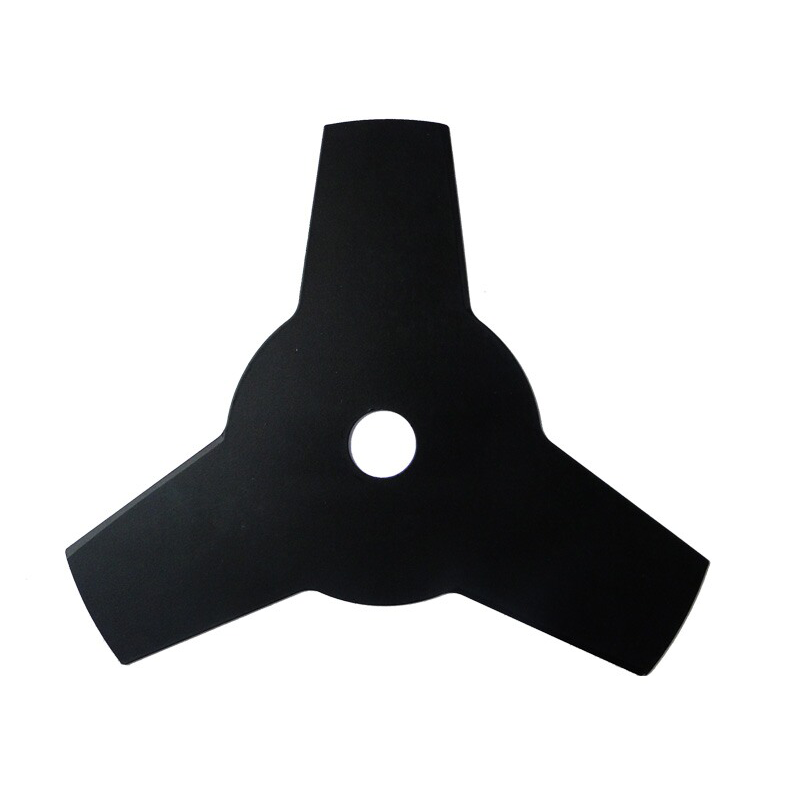
A 3-tooth steel brush blade is usually the best choice when cutting brambles mixed with weeds and light brush because it offers the versatility needed for different types of vegetation.
Although not ideal for every plant type, a 3-tooth steel brush blade can cut young brush, tall weeds, rough grass, and light brush quickly. You’ll probably need to change blades eventually, but not as often as you would with more specialized options. Versatility is this blade style’s biggest strength.
Brambles Near Fences, Trees, and Property Lines
Thin spaces call for accuracy over horsepower. When you’re concerned about harming bushes, trees, fence posts, or walls, make the first cuts with a steel brush blade to clear most of the stems. Then go back over the area with a nylon line head for a cleaner finish without damaging nearby surfaces.
Brambles left unchecked can ruin anything they climb on, so clearing them carefully is worth the extra effort.
What to Consider Before Buying a Brush Cutter Blade for Brambles
Choosing the right brush cutter blade is not only about finding the most aggressive option. Before purchasing, check that the blade matches your machine’s arbor size, blade diameter, and manufacturer recommendations. A blade that does not fit properly is not worth the risk.
You should also think about how often you’ll use the blade and what types of vegetation you usually cut. If you only clear brambles once or twice a year, you probably do not need a heavy-duty option designed for constant use. For regular clearing, choosing a blade that holds its edge longer can reduce maintenance and replacement costs.
Conclusion
There is no single brush cutter blade that works best for every bramble situation. Young shoots, woody blackberry canes, and dense overgrown patches all create different cutting challenges, so the right choice depends on what you need to clear.
Instead of choosing the most aggressive blade available, match the blade to the growth you are dealing with. The right blade will make bramble clearing easier, more efficient, and less frustrating.
FAQs About Brush Cutter Blades for Brambles
A carbide-tipped brush blade is usually best for mature blackberry bushes with thick, woody canes. Young green growth can often be cut with a standard steel brush blade.
Yes. A 3-tooth steel brush blade can handle young brambles, weeds, and light brush reasonably well. Thicker woody growth still requires a heavier-duty blade.
Carbide blades are worth considering if you regularly clear tough brambles. They cost more upfront but usually need less sharpening than standard steel blades.
Brambles wrap around blades because their flexible canes bend and catch instead of breaking cleanly. A dull blade, heavy cutting, or the wrong blade type can make the problem worse.
There is no fixed schedule. Sharpen the blade when it starts tearing stems instead of cutting them cleanly.