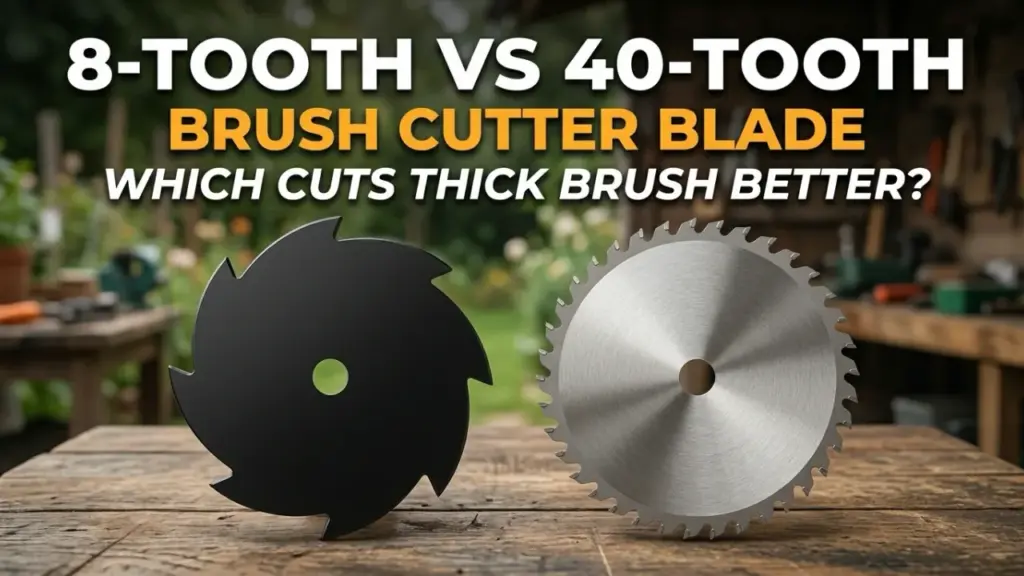
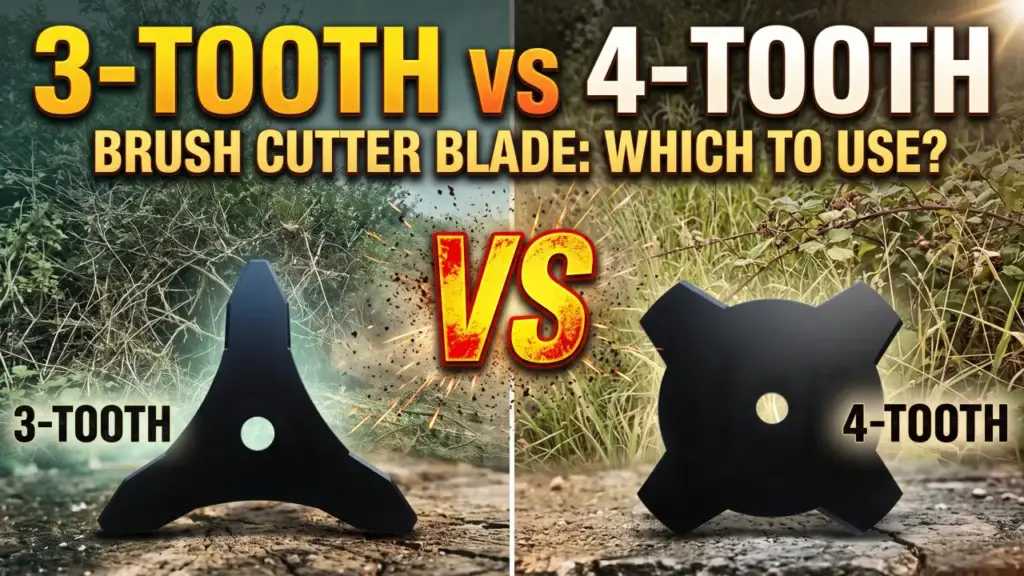
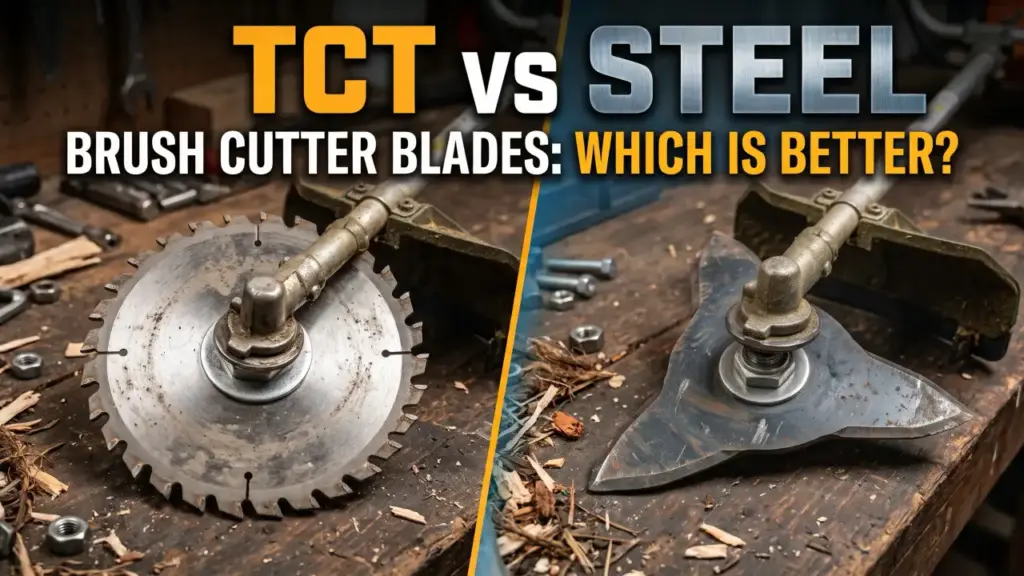
Thick grass can be frustrating to cut, especially when ordinary trimming starts to feel more like pushing through a wall of vegetation. But thick grass does not automatically mean you need a brush cutter blade. In some situations, trimmer line can still handle the job well.
So, should you use a brush cutter blade or trimmer line for thick grass?
This guide compares the two specifically for thick grass. It explains where each option works best and what to consider before you start cutting. The goal is simple: help you choose the right attachment for the grass in front of you.
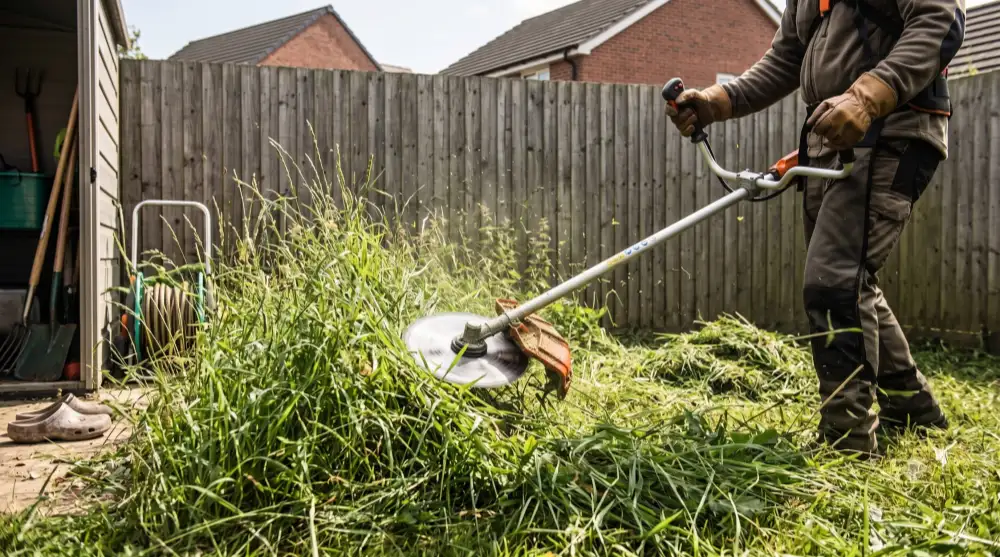
Table of Contents
- Blade vs. Trimmer Line for Thick Grass: Which Is Better?
- What Should You Know Before Cutting Thick Grass?
- Conclusion
- FAQs About Brush Cutter Blade vs. Trimmer Line for Thick Grass
Blade vs. Trimmer Line for Thick Grass: Which Is Better?
A brush cutter blade is generally better for thick, dense, or heavily overgrown grass, while trimmer line is better suited to thick but softer grass and routine trimming. The better choice depends on the grass, how overgrown the area is, and whether you are trimming or clearing.
The difference is easier to see when the two options are compared side by side.
Brush Cutter Blade vs. Trimmer Line for Thick Grass: Quick Comparison
| Cutting Condition | Brush Cutter Blade | Trimmer Line |
|---|---|---|
| Thick, dense grass | Better suited | Less efficient |
| Tall, overgrown grass | Better suited | May take longer |
| Tough or thicker stems | Better suited | More limited |
| Thick but soft grass | Effective | Can work well |
| Around fences and obstacles | Requires more care | More flexible |
| Heavy clearing | Better suited | Less suitable |
| Routine trimming | May be unnecessary | Better suited |
The table gives you the quick answer, but the real difference comes down to the type of job you are doing.
When Is a Brush Cutter Blade Better for Thick Grass?
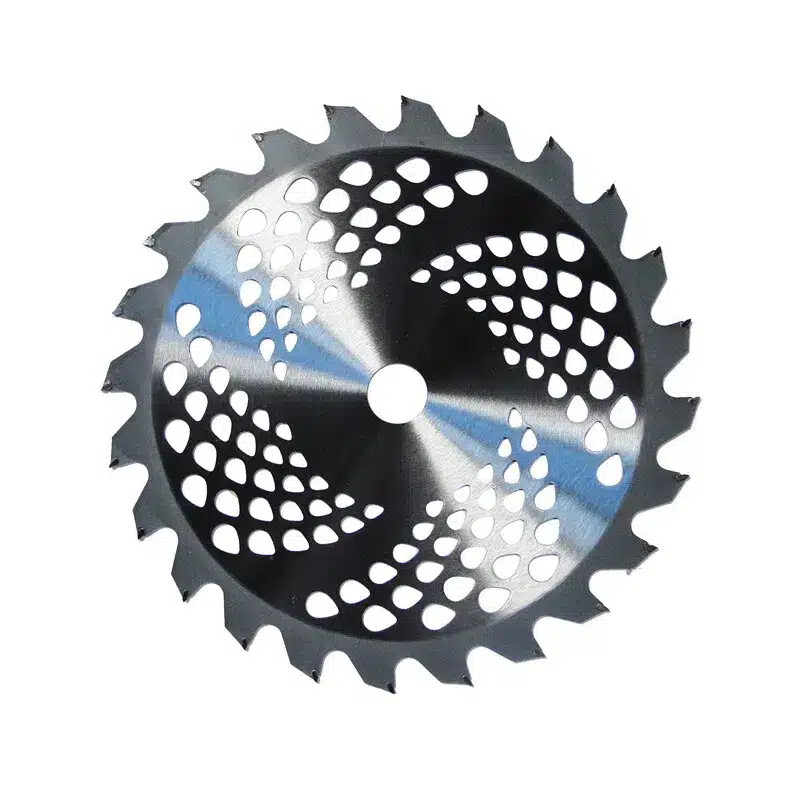
A brush cutter blade is better for thick grass when the growth is dense, tall, heavily overgrown, or has tougher stems that are difficult to cut efficiently with trimmer line.
Think about a patch of grass that has been left alone for a while. It is tall, packed together, and no longer looks like something you would normally trim with a string trimmer. You make a pass with the line, but the grass bends, tangles, and slows you down.
That is when a blade starts to make sense.
A brush cutter blade is particularly useful when you are clearing rather than simply trimming. Mixed vegetation can also change the equation. If thick grass has grown together with weeds or tougher plants, trimmer line may struggle to clear the area efficiently.
Grass height matters as well, but height alone does not determine the right attachment. Tall grass can be soft and easy to cut, while shorter grass can be surprisingly dense. The more useful question is whether the vegetation is becoming difficult for trimmer line to handle.
When Is Trimmer Line Better for Thick Grass?
Trimmer line is better for thick grass when the grass is relatively soft and manageable, especially for routine trimming or work around obstacles.
Picture a different situation. The grass is thick, but you can still move through it without much resistance. You are cleaning up around a fence, along a garden edge, or between trees where controlled movement matters more than maximum cutting capacity.
In that situation, switching to a blade may not offer much of an advantage.
Trimmer line has one particularly useful quality: flexibility. It is easier to maneuver around obstacles and works well for regular maintenance.
This is why the idea that thick grass always requires a blade is misleading. Grass can be thick without being particularly tough. If the vegetation remains manageable and the main job is trimming, trimmer line may still be the more practical choice.
What Should You Know Before Cutting Thick Grass?
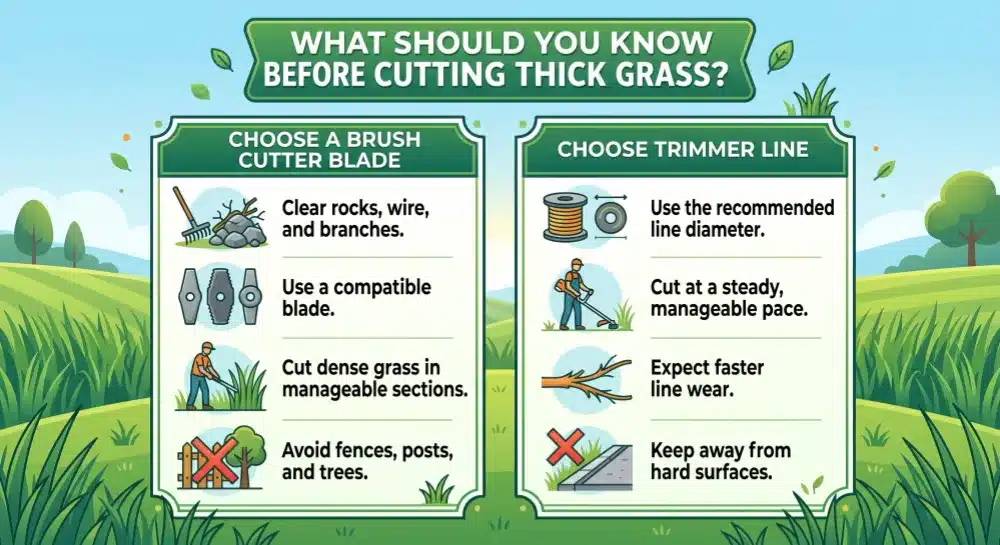
Before cutting thick grass, inspect the area, use an attachment approved for your machine, and adjust your cutting approach to the vegetation. Thick growth can hide debris and put more demand on your equipment.
If You Choose a Brush Cutter Blade
- Remove rocks, wire, branches, and other visible debris before cutting.
- Use a blade approved for your brush cutter and follow the manufacturer’s instructions.
- Cut dense growth in manageable sections instead of forcing through a large patch at once.
- Take extra care around fences, posts, rocks, and tree trunks.
If You Choose Trimmer Line
- Use the line diameter recommended for your machine.
- Work at a manageable pace instead of forcing the cutting head into dense growth.
- Expect faster line wear when cutting heavy grass.
- Keep some distance from fences, rocks, walls, and posts to reduce unnecessary wear.
Conclusion
For thick, dense, or heavily overgrown grass, a brush cutter blade is usually the better choice. For thick but softer grass and routine trimming, trimmer line can still work well.
The best choice depends on more than grass thickness. Consider the grass’s density, height, toughness, and the area you need to cut.
FAQs About Brush Cutter Blade vs. Trimmer Line for Thick Grass
Thicker trimmer line can handle heavier vegetation better, but thicker is not always better. Use the diameter recommended for your trimmer to avoid unnecessary load and poor performance.
Yes. Wet grass is heavier and tends to clump, making thick vegetation harder to cut and clear. Dense, overgrown grass can become especially difficult in wet conditions.
A brush cutter blade generally requires more care around hard obstacles. Trimmer line is more flexible and forgiving around fences, trees, and similar objects.
Yes, but height should not be considered alone. Also consider how dense and tough the grass is.
Yes. A blade can damage fences, posts, rocks, or tree trunks if it strikes them. Keep extra distance from hard obstacles when using a blade.