Choosing a circular saw blade should be a simple task. But what do you do when you’re faced with two similar-looking blades with very different price tags? One uses traditional steel teeth. The other features carbide tips and costs more. So, which one is worth your hard-earned cash?
This guide will walk you through the key differences between carbide-tipped and steel circular saw blades and help you decide which blade is the better fit for your needs.
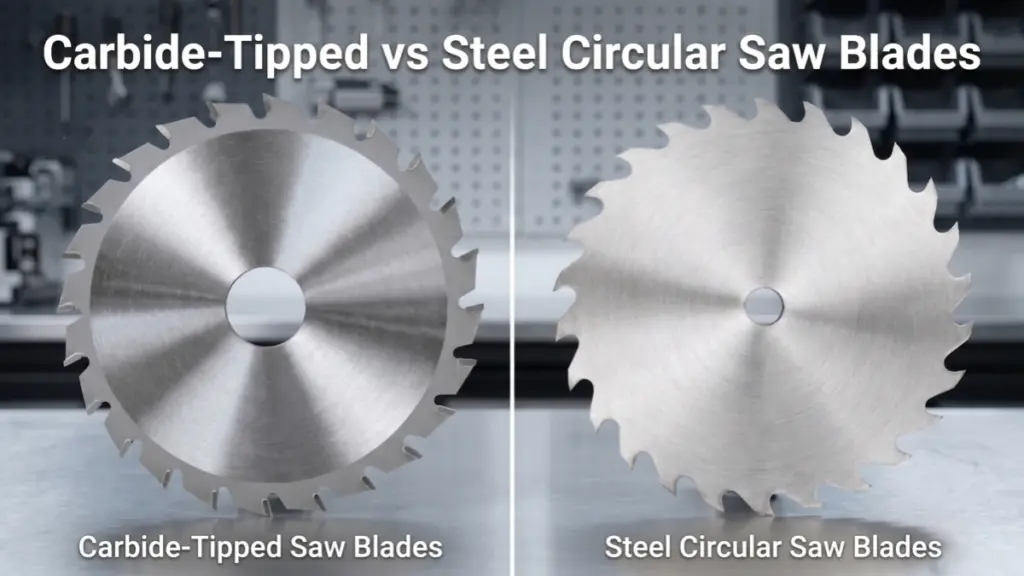
Table of Contents
- What Is the Difference Between a Carbide-Tipped Blade and a Steel Blade?
- Which Blade Lasts Longer?
- Which Blade Delivers Better Cutting Performance?
- Can steel and carbide-tipped circular saw blades Be Sharpened?
- Which Blade Costs Less Over Time?
- What Materials and Applications Are Best for Steel and Carbide-Tipped Blades?
- Which Blade Material Is Best for Different Types of Users?
- Conclusion
- FAQs About Carbide-Tipped vs Steel Circular Saw Blades
What Is the Difference Between a Carbide-Tipped Blade and a Steel Blade?
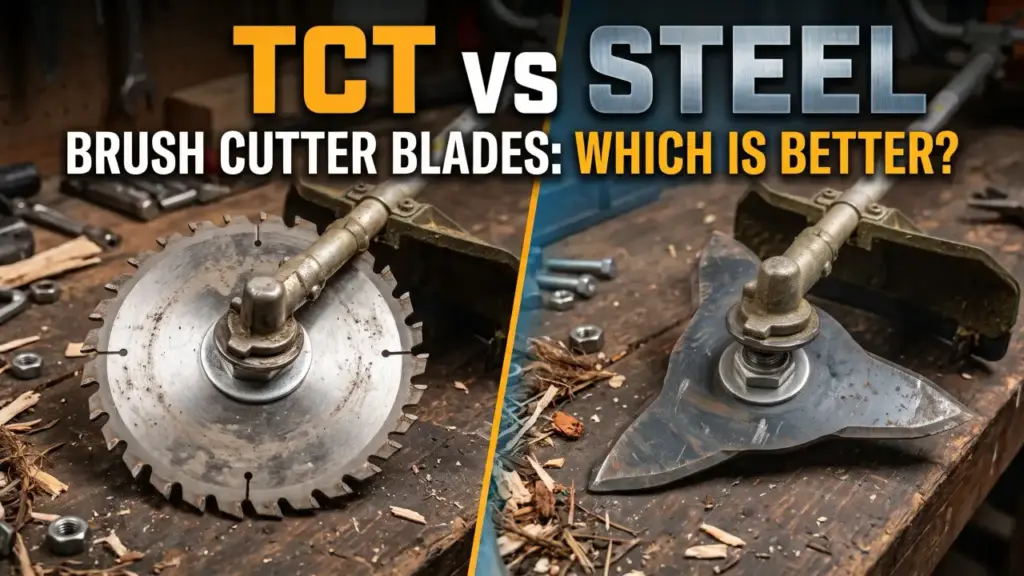
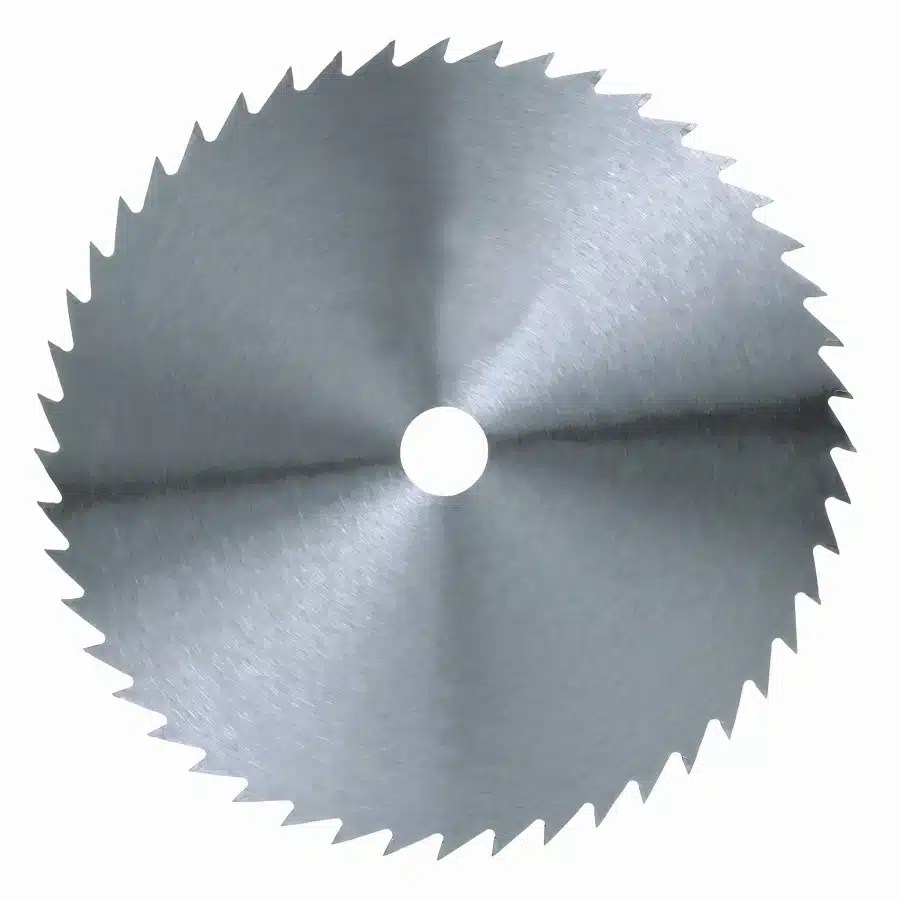
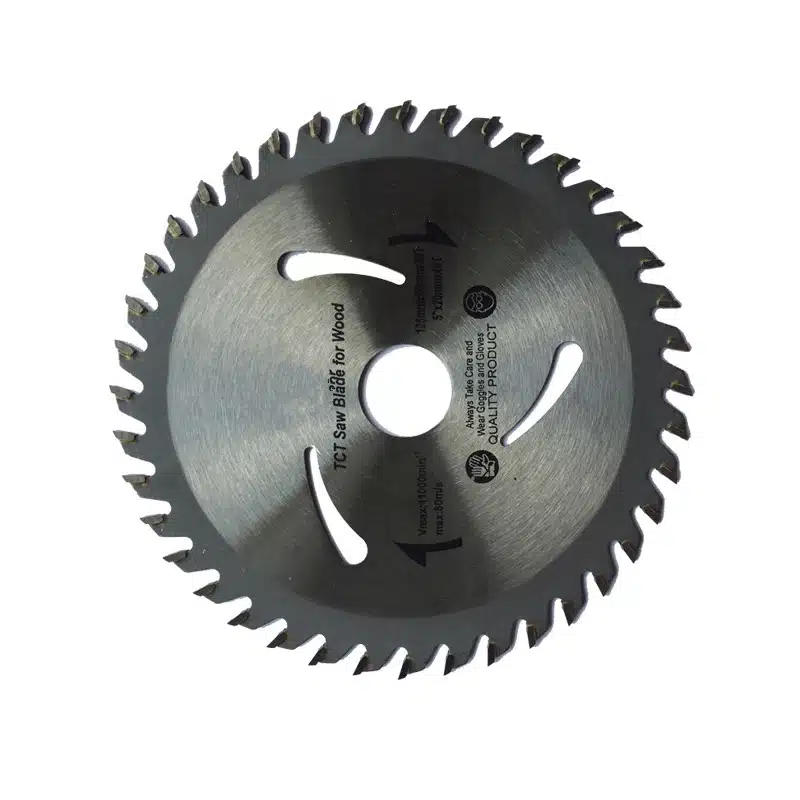
The main difference between a steel blade and a carbide-tipped blade is the cutting edge. Steel blades have teeth made entirely of steel, while carbide-tipped blades have a steel body with tungsten carbide teeth brazed onto the cutting edge.
Steel blades are generally less expensive and easier to sharpen. Many homeowners who only tackle DIY projects occasionally prefer steel blades for light-duty cutting tasks. However, they tend to dull more quickly when cutting hard or abrasive materials.
Although more expensive, carbide-tipped blades stay sharp much longer. Their wear-resistant carbide teeth maintain cutting performance for more cuts and reduce the need for frequent sharpening or replacement. If you use your circular saw regularly or work professionally, investing in a carbide-tipped blade is often the better long-term choice.
To help you decide, here is a quick breakdown of how they compare:
| Feature | Steel Blade | Carbide-Tipped Blade |
|---|---|---|
| Initial Cost | Lower | Higher |
| Durability | Moderate | High |
| Edge Retention | Shorter | Longer |
| Sharpening | Easier | More Specialized |
| Best For | Light Use | Frequent Use |
Which Blade Lasts Longer?
Carbide-tipped blades generally last much longer than steel blades because tungsten carbide resists wear, heat, and abrasion far better than steel.
Steel is less resistant to wear, heat, and abrasion than tungsten carbide. Friction and heat are generated with every cut, gradually wearing down the cutting edge. Cutting hardwoods, plywood, MDF, or particleboard accelerates this process because their dense fibers and resins create more abrasion, causing steel blades to dull more quickly.
As steel blades lose their edge, they need to be sharpened or replaced more often. Dull blades also cut more slowly and require greater feed pressure. Carbide-tipped blades stay sharp much longer because their harder cutting teeth withstand heat and abrasion more effectively. This allows you to make more cuts between sharpening sessions, improving productivity and reducing downtime.
Which Blade Delivers Better Cutting Performance?
Carbide-tipped blades usually deliver better long-term cutting performance because their carbide teeth stay sharp longer and maintain cleaner cuts over time.
A sharp blade cuts with less resistance, runs smoother, and produces cleaner edges. However, when both blades are brand new, the difference in performance is often smaller than many people expect. A new steel blade can still produce clean cuts with crisp edges on many woodworking tasks.
The difference becomes more noticeable as cutting hours increase. Steel teeth dull faster and can lead to poorer cut quality, slower feed rates, and additional stress on your saw. Burn marks, splintered edges, and the need to push harder are all signs of declining blade performance. Carbide-tipped blades stay sharp longer and maintain cutting ability for a much longer period. For woodworking professionals, that means fewer sharpening stops, less rework, and a smoother workflow throughout the day.
Can steel and carbide-tipped circular saw blades Be Sharpened?
Yes, both steel and carbide-tipped circular saw blades can be sharpened, but carbide tips require specialized equipment while steel blades are easier to maintain.
Sharpening steel blades is generally easier and less expensive than sharpening carbide-tipped blades. Steel is softer, so it can be sharpened using standard grinding tools when the correct tooth shape and angle are maintained. This is one reason steel blades appeal to DIYers and smaller shops that handle their own maintenance. The downside is that steel blades need to be sharpened more frequently.
Sharpening carbide tips requires specialized grinding tools, and most users send them to a professional sharpener. Professional sharpening costs more, but carbide tips hold their edge much longer, meaning they need to be serviced less often.
With proper maintenance, you can expect many years of service from either type of blade. Keep them clean of resin buildup, store them correctly, and check regularly for damage. Replace blades once they become too dull or damaged to restore.
Which Blade Costs Less Over Time?
Steel blades have a lower upfront cost, but carbide-tipped blades often provide better long-term value for frequent users because they last longer and require less frequent sharpening.
Steel blades are cheaper when you look only at the price tag, making them a practical choice for occasional users and light-duty projects. However, the higher upfront cost of carbide-tipped blades can be offset over time by their longer lifespan and reduced maintenance needs.
Price isn’t the only factor to consider when evaluating cost. You should also look at blade lifespan, sharpening expenses, and how often you need to replace a blade. Many professionals consider the cost per cut, which shows how much each cut costs over the entire life of a blade. A more expensive blade may actually be more economical if it stays productive for a longer period.
Don’t forget that downtime also has a cost. Whether you’re changing blades, sending them for sharpening, or replacing them entirely, your work stops during that time. For users who cut frequently, carbide-tipped options usually provide better value. For occasional users, inexpensive steel blades may be the more cost-effective choice.
What Materials and Applications Are Best for Steel and Carbide-Tipped Blades?
Steel blades are best suited for light- to medium-duty cutting jobs, while carbide-tipped blades are better for harder, more abrasive materials and heavy-duty applications.
This doesn’t mean steel blades aren’t useful for DIY fixes around the house, weekend woodworking, or basic carpentry. Construction lumber (typically softwood) and other blade-friendly materials work well with steel when maximum edge life isn’t a priority. Lower cost also makes steel blades a practical choice for temporary projects or low-volume cutting tasks.
Carbide-tipped blades perform best when cutting harder woods and engineered materials for furniture making, cabinet construction, and other demanding applications. They also handle plywood, MDF, HDF, and other engineered panel materials with excellent results. Because these materials are more abrasive, steel blades lose their edge much faster. Carbide-tipped blades last longer, helping maintain cut quality and productivity when consistency matters.
Steel vs. Carbide-Tipped Blades for Different Materials
Here is a quick breakdown of how both blade types perform across common woodworking materials:
| Material | Steel Blade | Carbide-Tipped Blade |
|---|---|---|
| Softwood | Excellent | Excellent |
| Hardwood | Fair | Excellent |
| Plywood | Good | Excellent |
| MDF | Fair | Excellent |
| HDF | Fair | Excellent |
Steel vs. Carbide-Tipped Blades for Different Woodworking Applications
Here is how they stack up when handling different scales and frequencies of woodwork:
| Application | Steel Blade | Carbide-Tipped Blade |
|---|---|---|
| DIY Projects | Excellent | Excellent |
| Basic Carpentry | Good | Excellent |
| Furniture Making | Fair | Excellent |
| Cabinet Construction | Fair | Excellent |
| Daily Production Work | Fair | Excellent |
Which Blade Material Is Best for Different Types of Users?
The best blade depends on how often you cut, what materials you work with, and how much downtime you can afford. Steel blades are usually enough for occasional users, while carbide-tipped blades offer more value for frequent cutting.
If you only use a circular saw for home repairs, weekend projects, or casual woodworking, a steel blade is often enough. Its lower upfront cost makes it a practical choice when cutting volume is low and maximum blade life is not a priority.
If you’re a hobby woodworker who spends a few weekends a month in the shop, carbide-tipped blades become more attractive. They offer better long-term value when you regularly work with hardwoods, plywood, or engineered panels.
Contractors, remodelers, and professional woodworkers usually benefit the most from carbide-tipped blades. The more you cut, the more blade life, consistency, and reduced downtime matter.
Conclusion
There is no best blade for every job. Steel blades are a practical choice when you only cut occasionally, do light woodworking, or want to keep upfront costs low. They can handle many common cutting tasks without requiring a larger investment.
Carbide-tipped blades are better suited for heavier use and denser materials. They hold an edge longer, perform better on hardwoods and engineered panels, and generally require less maintenance over time.
For most users, the choice comes down to how often you cut and what materials you work with. If you only use your saw occasionally, a steel blade may be all you need. If you cut frequently, carbide-tipped blades will usually provide better long-term value. The best blade depends on your cutting needs, budget, and how often you want to stop for sharpening or blade changes.
FAQs About Carbide-Tipped vs Steel Circular Saw Blades
Yes. Carbide-tipped blades generally last longer than steel blades because their tungsten carbide teeth resist wear, heat, and abrasion better. The difference is especially noticeable when cutting hardwoods, plywood, MDF, and other abrasive materials.
Yes. Carbide-tipped blades are usually a better choice for plywood because the layered structure and adhesives in plywood can wear down steel teeth faster. Carbide tips stay sharp longer and help maintain cleaner cuts over more cutting time.
Yes. Steel circular saw blades are still a practical choice for occasional users, beginner woodworkers, and anyone who wants a lower upfront cost. They can handle many common woodworking tasks when maximum blade life is not the main priority.
Carbide-tipped blades are usually the better choice for hardwood because they stay sharp longer and handle the extra abrasion better than steel blades. Their longer edge retention helps maintain cleaner cuts and reduces the need for frequent sharpening.
If you use your circular saw regularly, carbide-tipped blades are usually worth the extra cost. Their longer lifespan, fewer sharpening cycles, and reduced downtime can provide better value over time compared with steel blades.