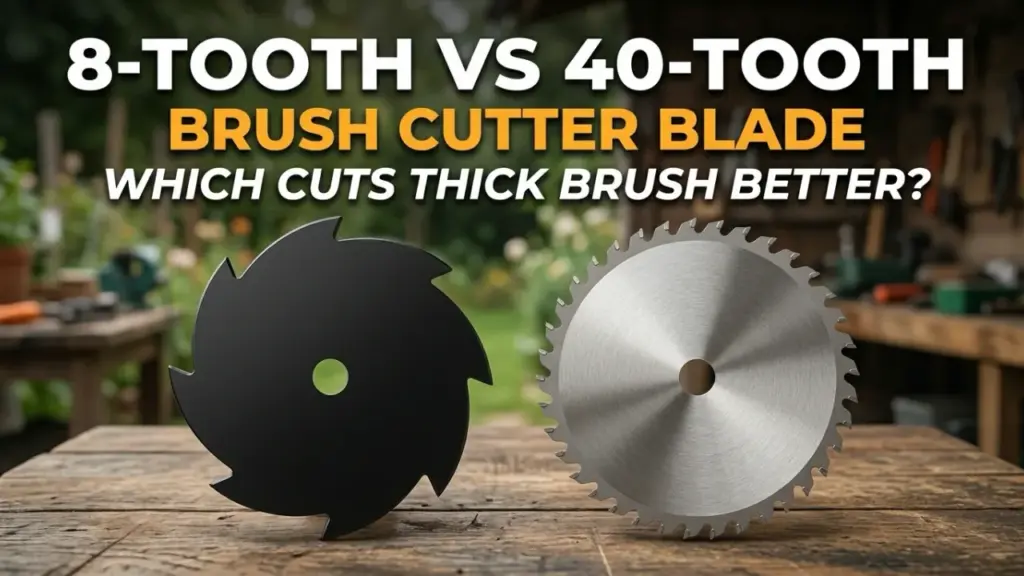
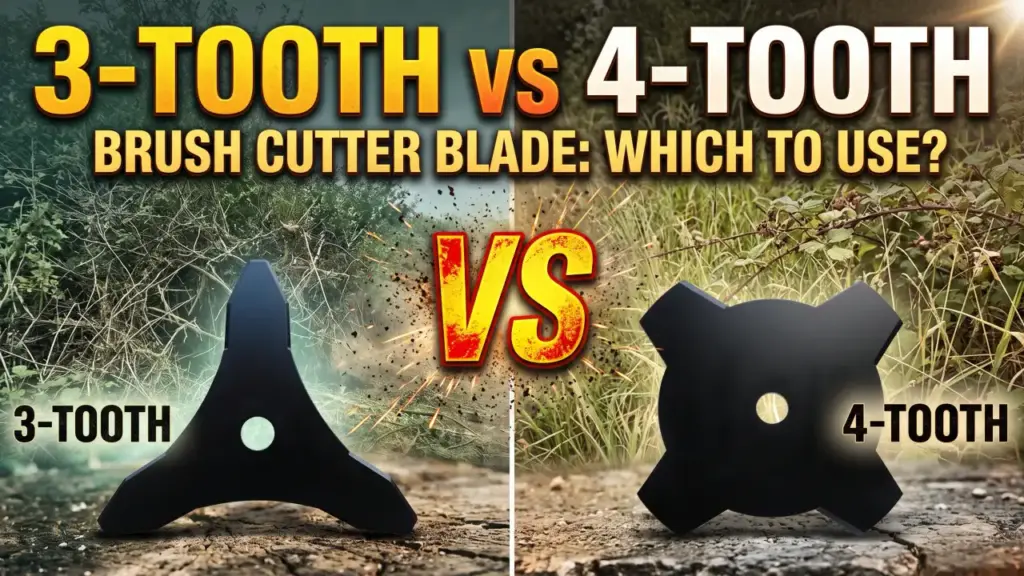
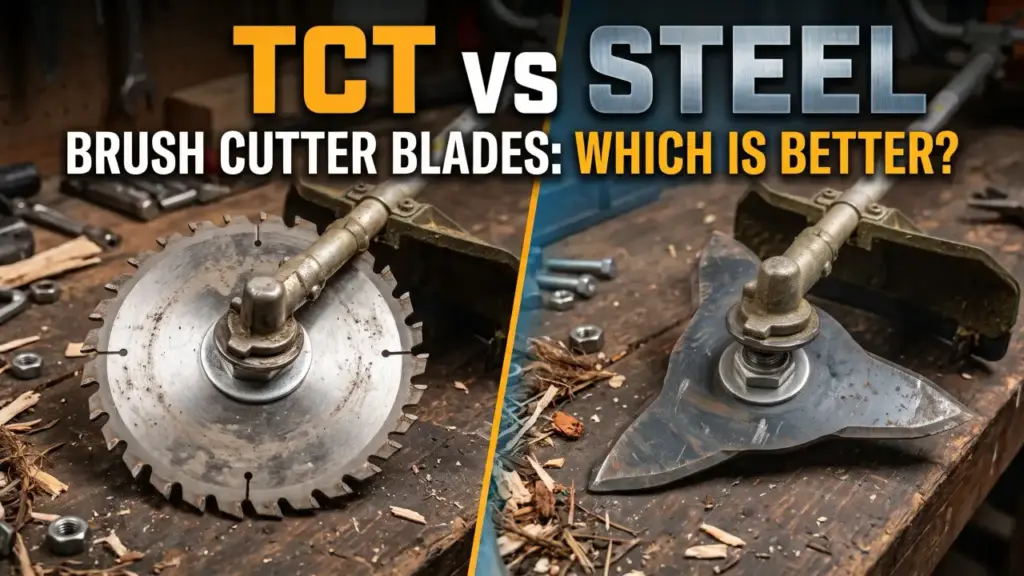
Circular saw blades tend to let you know when they are done well before they suddenly give out on you. First, your cuts become slower. Then the saw feels like it is fighting back a little bit. Lastly, your previously clean cuts become rough. At that point, you start to wonder… can I sharpen my circular saw blade, or is it too dull and done for?
Sadly, once you look online for the answer, you will find a lot of conflicting information. One website tells you that all blades can be sharpened with the right tools. Someone else tells you to throw them away because it’s less expensive.
So, who is telling the truth? In this article, we’re going to examine which circular saw blades can realistically be sharpened and which ones are typically not worth sharpening. We’ll also explain why blade quality matters more than most people realize.
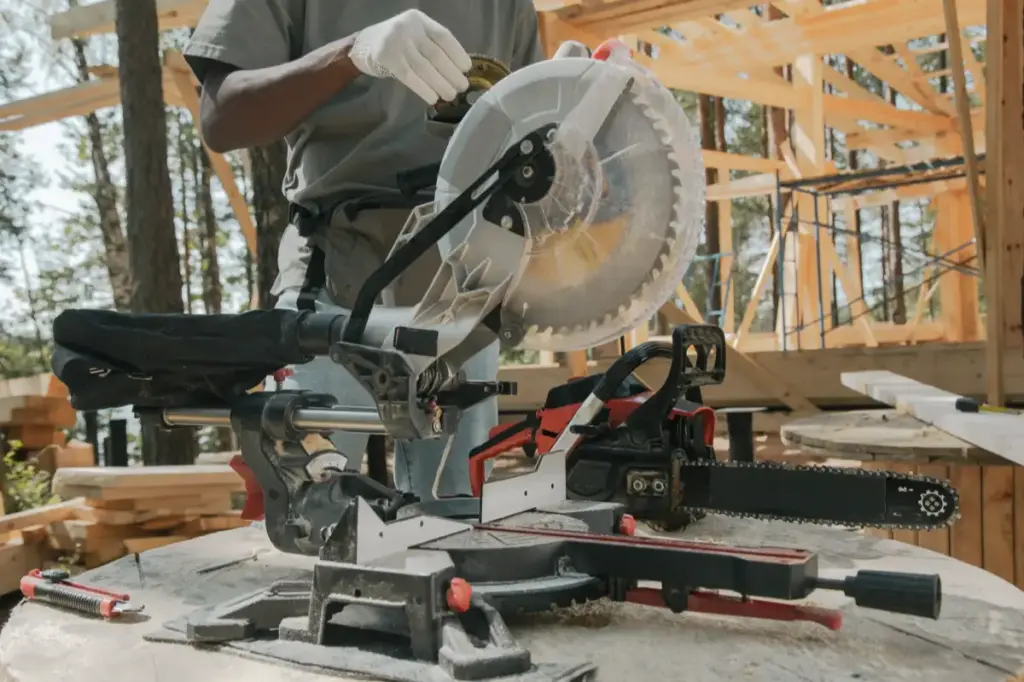
Table of Contents
- Can Circular Saw Blades Actually Be Sharpened?
- Which Circular Saw Blades Are Worth Sharpening?
- Why Some Blade Designs Are Harder to Sharpen
- When Sharpening Will Not Fix the Problem
- FAQs
- Conclusion
Can Circular Saw Blades Actually Be Sharpened?
Yes. Many circular saw blades can be sharpened and reused. This is especially true for higher-quality blades. Carbide-tipped blades, heavier-duty woodworking blades, and industrial blades are generally designed to be sharpened from the outset.
However, even high-quality blades eventually lose their cutting performance for several reasons. Heat and friction are two common causes. Another issue is the buildup of gunk during cutting, including resin, glue, and fine dust from MDF and laminates. Over time, this buildup slowly erodes the carbide cutting edge until the blade no longer cuts smoothly. Sometimes the teeth are still “sharp,” but small chips along the edge of the carbide can make the blade feel rough and catch more while cutting.
Sharpening does more than most people realize. It’s not just about restoring a sharp cutting edge. A quality sharpening service also ensures consistent tooth height and identifies issues that could affect performance. As a result, the blade cuts more smoothly and consistently.
Granted, some sharpened blades still perform poorly afterward, usually because the carbide edges are too worn or chipped to restore properly. This issue is more common with cheap blades. In contrast, thicker carbide teeth and more precise tooth geometry found on professional-grade woodworking blades hold up to sharpening much better.
Which Circular Saw Blades Are Worth Sharpening?
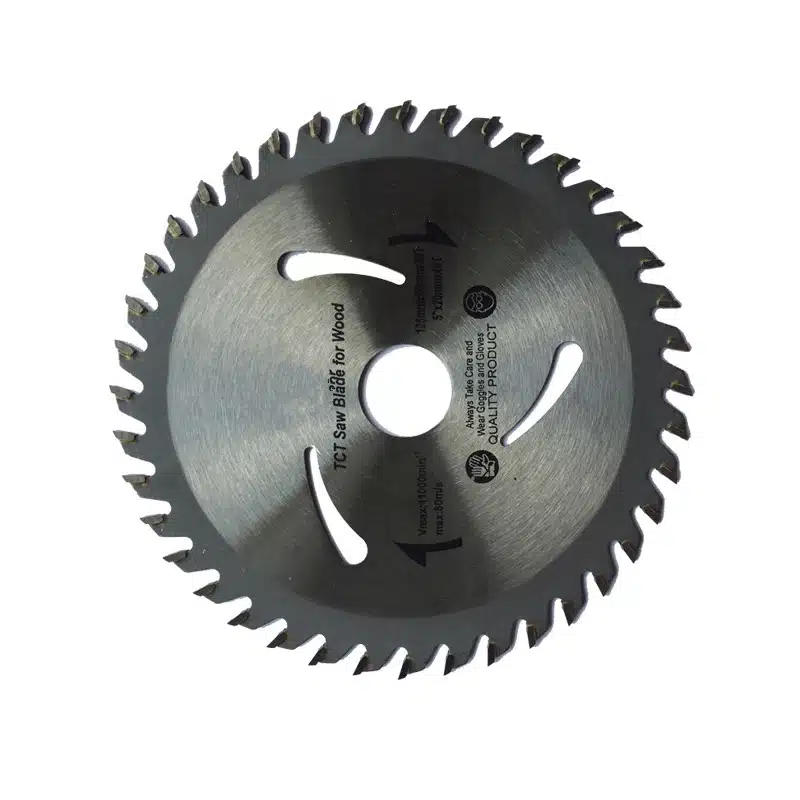
Premium carbide blades are almost always worth sharpening, while inexpensive construction blades are rarely worth the effort. That may sound like an oversimplification, but it is generally true. In most cases, the difference comes down to the blade’s construction and the amount of carbide available for future sharpenings.
The proof is in the details of the blade itself. Higher-quality blades have larger carbide teeth, thicker steel bodies, and more precise tooth geometry straight out of the package. They are built to dissipate heat better too, which is actually really important. Excessive heat is one of the most common causes of blade wear over time. It slowly breaks down the metal through heat stress, not just simple dulling.
Budget blades are made to be fast and cheap. They often use smaller carbide teeth and thinner stamped steel bodies. Once they become dull, there is often very little material left to sharpen effectively. In many cases, the sharpening cost approaches the price of a replacement blade. This is why a lot of contractors save their beat-up budget blades for demolition cuts or cutting dirty lumber and nail-filled wood.
Why Some Blade Designs Are Harder to Sharpen
Once you throw sharpening into the mix, blade design changes everything. Some blades are sent to the stone and come back biting again. Others never seem to feel right again, even if they look technically sharp.
Tooth geometry is a huge part of this. High-tooth-count blades are far less forgiving because every tooth needs to be nearly identical to its neighbors. A slight inconsistency might not matter on a rough framing blade. Try it on an 80-tooth plywood blade, and you’ll notice it quickly. Chatter marks. Micro vibration lines. Cuts that feel “off” for no reason you can detect. ATB blades are especially finicky to sharpen because the left-right bevel pattern needs to remain consistent across the entire blade. TCG (Triple Chip Grind) blades are even harder to sharpen properly.
Heat can play a factor too. Thin blades heat up quicker, particularly during long rip cuts. As heat builds unevenly across the blade, different areas can expand at different rates, reducing cut quality. Some thin-kerf blades are designed to reduce cutting resistance on smaller saws, but they can be more prone to deflection when pushed too hard.

When Sharpening Will Not Fix the Problem
Not every poor cut requires sharpening. Dirty blades are one of the biggest offenders. Resin, glue, and pitch bake onto the teeth slowly while cutting. The blade begins to drag through your cut rather than slicing cleanly. You’ll get burn marks. Resistance increases. Sometimes you’ll even get smoke. Everyone assumes the teeth are gone when all the blade needs is a good cleaning.
Then there’s blade mismatch. Using the wrong type of blade for your material happens far too often. A rough-cut framing blade will cause severe tear-out and destroy laminates regardless of how sharp it is. Fine plywood blades hate dirty construction 2x4s. And let’s not even talk about certain materials being rough on carbide. MDF is often highly abrasive, almost like sandpaper on blades, due to its dense fiber structure and resin content. Even worse, cement board is extremely hard on blades. A single hidden nail in reclaimed lumber can instantly chip a carbide tooth.
This is why certain materials require “specialized tooth geometry” and “higher tooth counts” to properly deal with heat buildup, chip control, and edge wear during long cuts.
FAQs
Most circular saw blades can be sharpened, but not every blade is worth sharpening. Budget circular saw blades often use very small inserts of carbide that are gone after one or two sharpenings.
Smoke or burn marks when cutting are not always caused by dull teeth alone. In some cases, resin buildup, warped blade steel, or unevenly ground teeth can also lead to excessive friction and overheating.
Typically, sharpening is worth it when you invest in name-brand carbide circular saw blades. A professional sharpening job should leave you with a blade that cuts smoother and more consistently tooth-to-tooth than your cheap replacement blades.
Small chips can often be repaired, depending on the extent of the damage and how much carbide remains on the tooth. Larger chips usually require replacing the tooth or, in some cases, replacing the blade entirely.
Professionals have precision tools that grind the teeth without altering the tooth angles, blade balance, and carbide geometry. They also take steps to prevent overheating the blade.
Conclusion
Just because your cuts begin to feel wrong does not mean your circular saw blade is considered done. Most quality blades can be sharpened several times, and then go on to make smooth cuts years later. A lot of times, it just comes down to the blade. Higher quality carbide blades are made with thicker teeth, stronger blade bodies, and tooth geometry that can withstand repeated sharpening without breaking down. Cheap blades are usually a lost cause. Once the carbide gets too small or your blade warps from heat, there usually isn’t much that can be done. You sharpen it up, toss it back on the saw, and the cut still feels off.
That is why most woodworkers will treat a quality blade more like a tool than a disposable item. Keep it clean. Avoid overheating it. Sharpen it before the damage sets in. With proper care, a quality blade will last much longer than you think.