Pick up almost any quality circular saw blade, and you’ll notice several narrow slots cut into the steel body. They’re small and easy to overlook, but they’re there for a reason. Many people assume expansion slots are simply decorative or just part of the manufacturing process. In reality, they’re an important engineering feature found on many circular saw blades.
Although expansion slots may look simple, they play a much bigger role than most people realize. In this guide, you’ll learn what expansion slots are, how they work, why they’re used on some blades but not others, and when they actually make a difference.
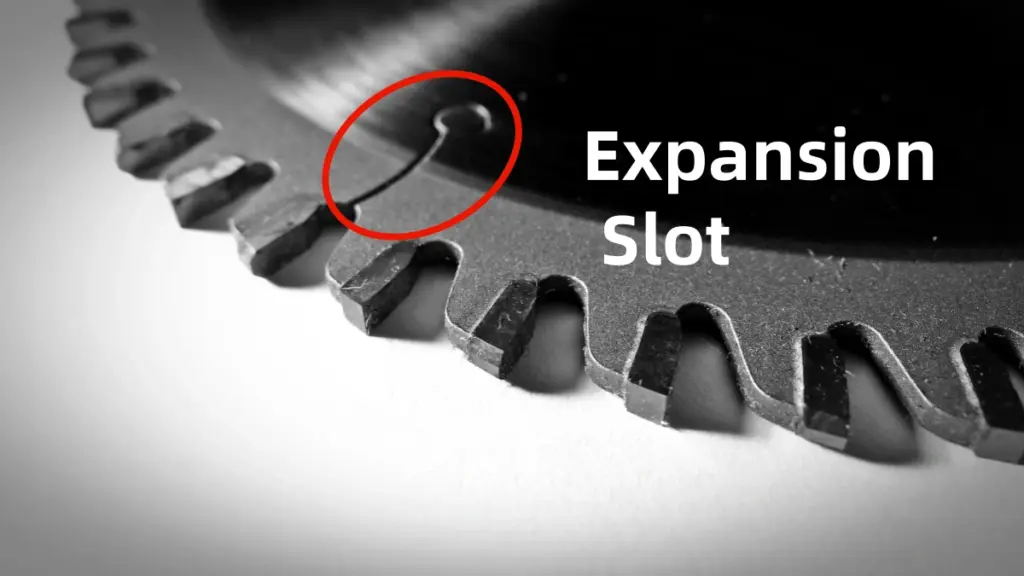
Table of Contents
- What Are Expansion Slots on Circular Saw Blades?
- How Expansion Slots Help Prevent Blade Warping
- How Do Expansion Slots Reduce Vibration and Noise?
- How Expansion Slots Improve Blade Stability and Cut Quality
- Do All Circular Saw Blades Have Expansion Slots?
- Conclusion
- FAQs About Circular Saw Blade Expansion Slots
What Are Expansion Slots on Circular Saw Blades?
Expansion slots are narrow cuts in the body of a circular saw blade. They’re designed to relieve thermal stress, reduce vibration and noise, and improve blade stability during cutting. They are not part of the teeth, and they don’t help the blade cut any faster. Instead, they’re cut into the steel plate that connects the arbor to the teeth. Most blades have several expansion slots evenly spaced around their circumference. Some are straight, while others are curved or hook-shaped.
Why put holes in something that should remain stiff? Because once a blade begins to cut, things change. Each pass through the wood creates friction, which multiplies rapidly if you are using a dull circular saw blade. The teeth generate heat as they slice through material. Make enough cuts, especially through harder woods, plywood, or MDF, and that heat can start to build up.
As heat builds, the steel blade expands and comes under increasing stress. Expansion slots are designed to help the blade cope with those conditions while also reducing vibration and improving cutting stability. The following sections explain how each of these benefits works.
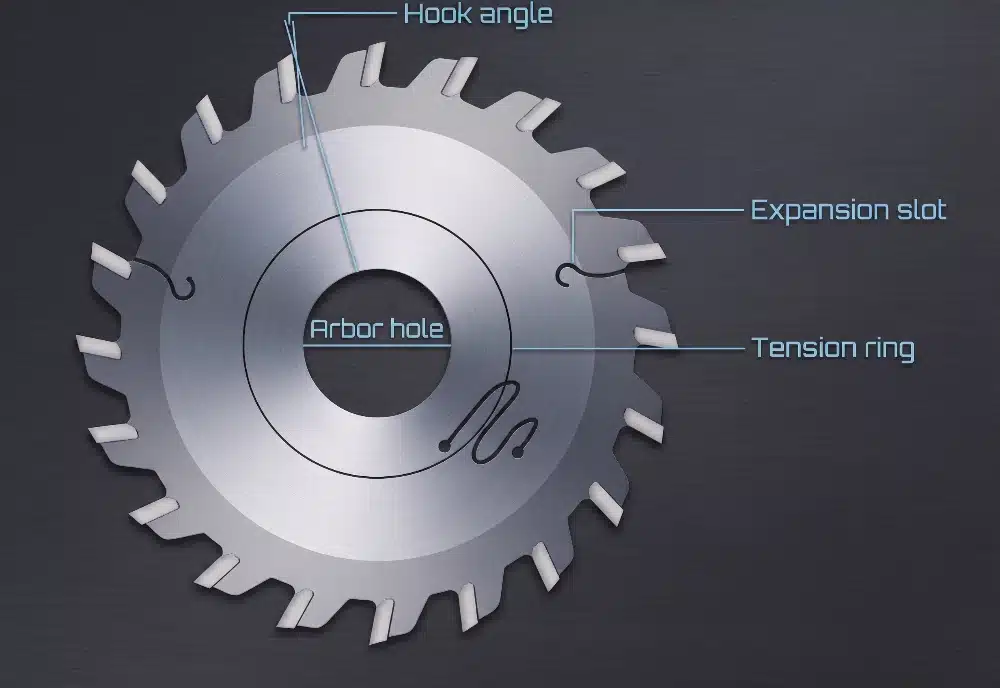
How Expansion Slots Help Prevent Blade Warping
Expansion slots help prevent blade warping by relieving the thermal stress that develops as a circular saw blade heats up.
Steel expands when heated, but it doesn’t always expand evenly. Different areas of the blade can reach different temperatures during a cut, creating internal stress across the steel plate. Left unchecked, that stress can cause the blade to distort slightly, affecting both cutting accuracy and overall performance.
Expansion slots provide space for the steel to expand as temperatures rise. Instead of allowing thermal stress to build throughout the blade, they help relieve that pressure, reducing the risk of the blade warping or twisting during use. This allows the blade to stay flatter and track more accurately through the cut.
That’s why you’ll find laser-cut expansion slots on many high-quality circular saw blades designed for demanding woodworking tasks. While they can’t completely prevent warping under every condition, they help the blade maintain its shape when heat and cutting stress begin to build.
How Do Expansion Slots Reduce Vibration and Noise?
Expansion slots help reduce vibration by interrupting the small forces that travel through the blade during cutting. On some premium blades, they also help reduce cutting noise.
Small forces are created with each tooth passing through the material being cut. These forces intensify when passing over knots or glue lines. If unchecked, they can travel through the blade and cause chatter that affects both cut quality and how the saw feels in your hands.
Expansion slots stop those vibrations from traveling nearly as far. Many also use rounded ends because sharp corners can create stress concentrations in the steel. Some high-end blades even feature copper-filled slots or laser-cut dampening patterns to absorb even more vibration, which can also help reduce cutting noise.
The payoff is smoother cuts, better feel, and less fatigue on long jobs.
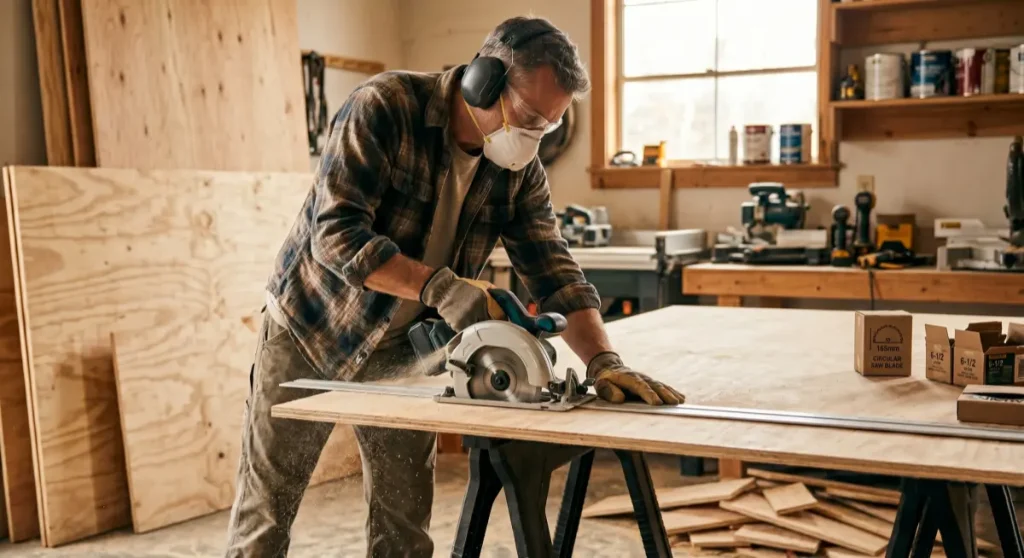
How Expansion Slots Improve Blade Stability and Cut Quality
Expansion slots help the blade stay flatter and track more accurately through the cut, resulting in better stability and cleaner cut quality.
As heat and vibration are brought under better control, the blade is less likely to drift or flex during use. Allowing the steel room to expand helps the blade maintain its shape, so each tooth stays on its intended cutting path.
Usually, you’ll notice the difference in the cut rather than on the blade itself. A more stable blade means fewer saw marks and cleaner edges left behind. Each tooth is able to stay on course instead of wandering. That can also translate to less sanding for you at the end.
Do All Circular Saw Blades Have Expansion Slots?
No. Not all circular saw blades have expansion slots, and many blades perform perfectly well without them. You’ll find expansion slots more commonly on professional blades designed for frequent use or long cutting sessions. The extra use generates more heat and stress, making the additional engineering worthwhile. A blade intended for occasional DIY projects may not need those features.
That doesn’t mean a blade without expansion slots is inferior. It’s simply designed for a different purpose. Manufacturers also leave them out on some blades to reduce production costs. As cutting intensity increases, however, the benefits of expansion slots become more noticeable. That’s why many professional ripping and crosscut blades include specially designed slots to improve stability, reduce vibration, and maintain cutting performance over longer jobs.
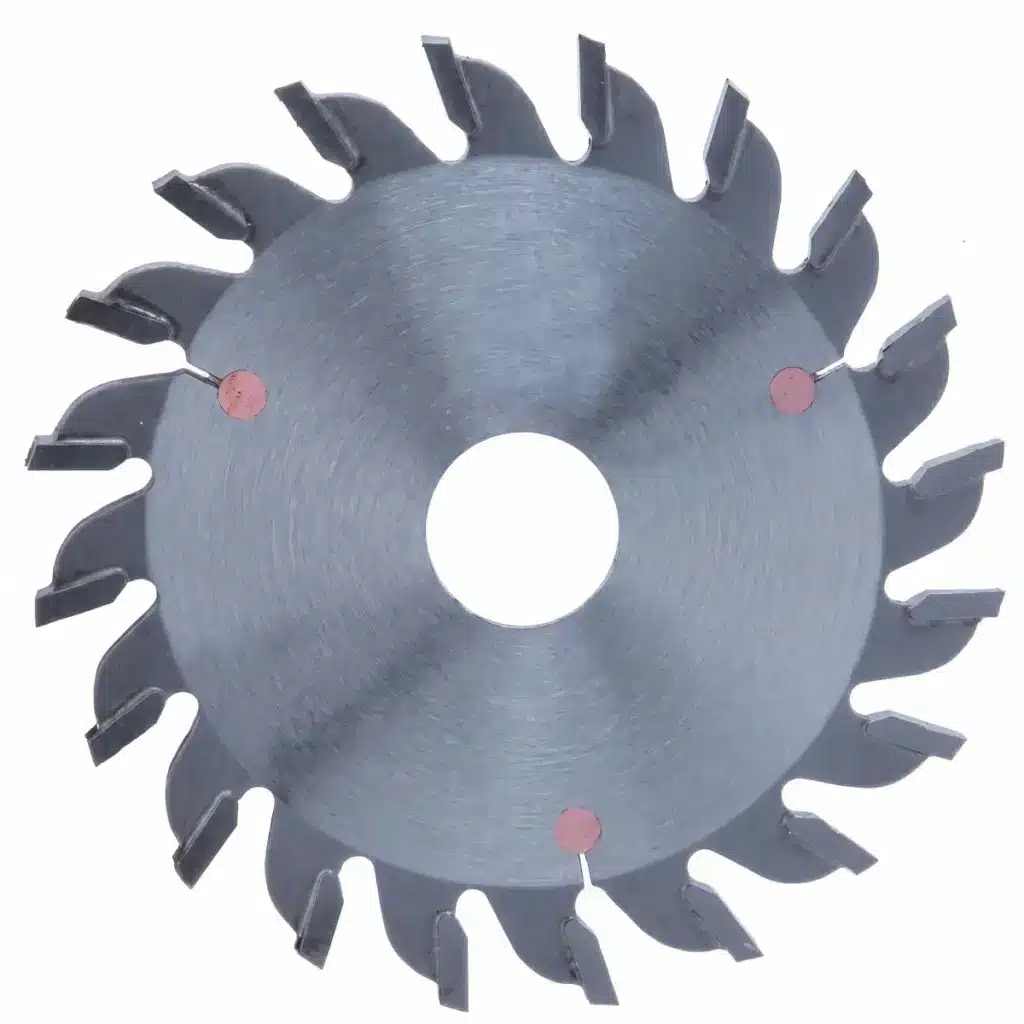
Conclusion
Expansion slots seem like such a simple design feature. After all, they’re literally just cuts in the blade body. Once you understand what they’re designed to do, they make a lot more sense.
By helping relieve thermal stress, reduce vibration and noise, and improve blade stability, expansion slots help a circular saw blade perform more consistently under demanding conditions. They won’t guarantee a flawless cut every time, but they do help the blade stay truer to its intended path.
Next time you look at a circular saw blade, those tiny slots won’t just seem like part of the design. You’ll know they’re quietly helping the blade stay stable, cut smoothly, and perform at its best when the job heats up.
FAQs About Circular Saw Blade Expansion Slots
Expansion slots help circular saw blades perform more consistently by relieving thermal stress as the blade heats up. They also help reduce vibration and noise, improve blade stability, and produce smoother, more accurate cuts, especially during long or demanding cutting sessions.
Different expansion slot shapes are designed to manage heat, vibration, and stress in different ways. Straight, curved, and hook-shaped slots all serve the same basic purpose, while some premium blades use laser-cut or copper-filled slots for additional vibration damping and noise reduction.
Yes. By helping the blade stay flatter and more stable during a cut, expansion slots reduce blade flex and vibration. This helps produce cleaner edges, fewer saw marks, and more accurate cuts, particularly during longer or more demanding jobs.
Not directly. Expansion slots don’t increase a blade’s lifespan on their own, but they help reduce thermal stress and vibration during use. Proper blade selection, cleaning, and maintenance have a much greater impact on how long a circular saw blade lasts.
Not every circular saw blade needs expansion slots. Blades designed for occasional DIY use or lighter cutting tasks often perform well without them. Expansion slots become more valuable as cutting time, heat, and workload increase, which is why they’re more commonly found on professional and heavy-duty blades.