If there were only one cutting option that worked best on a weed eater, we wouldn’t need to discuss the different types. However, there’s a reason you’ll find multiple choices at the store. Each has its strengths and is made to handle certain tasks.
What’s ideal for routine grass could be the wrong choice for thicker weeds or brush. The area you’re working in, how the attachment wears, and what your machine can use also affect the decision. This guide breaks down these differences to help you choose the right cutting option for the job.
Table of Contents
- What’s the Difference Between Weed Eater String and Blades?
- Which Is Better for Grass, Weeds, Brambles, and Tough Vegetation?
- When Should You Use String Instead of a Weed Eater Blade?
- When Should You Use a Plastic Blade Instead of String?
- When Should You Use a Metal Blade Instead of String?
- How Does the Working Environment Change the Choice?
- How Do String and Blades Compare for Durability and Maintenance?
- Can You Use a Blade on Any Weed Eater?
- Conclusion
- FAQs About Weed Eater Blades vs String
What’s the Difference Between Weed Eater String and Blades?
Weed eater string is a flexible nylon line, while plastic and metal blades have more rigid cutting edges. They do not respond to vegetation or obstacles in quite the same way.
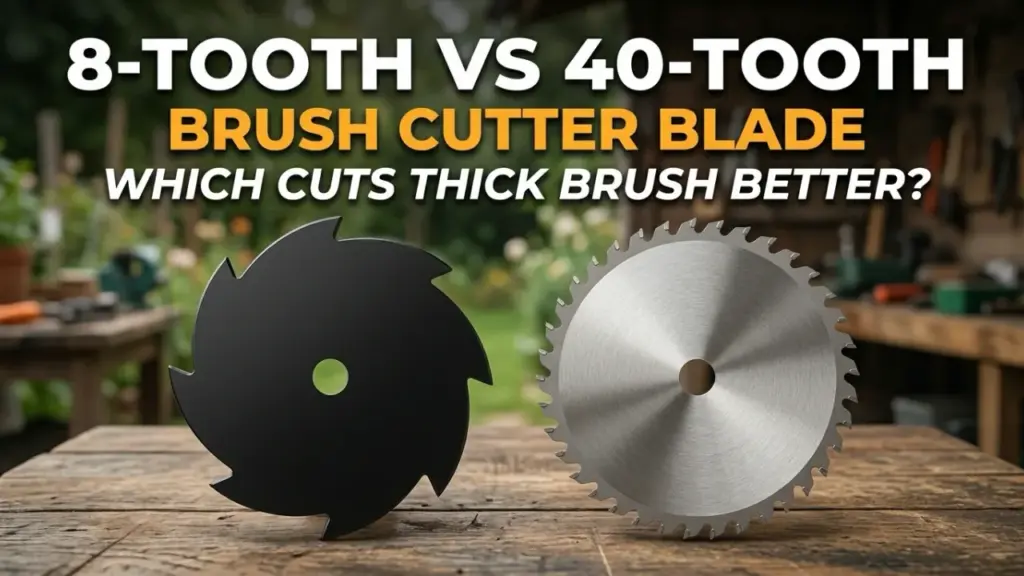
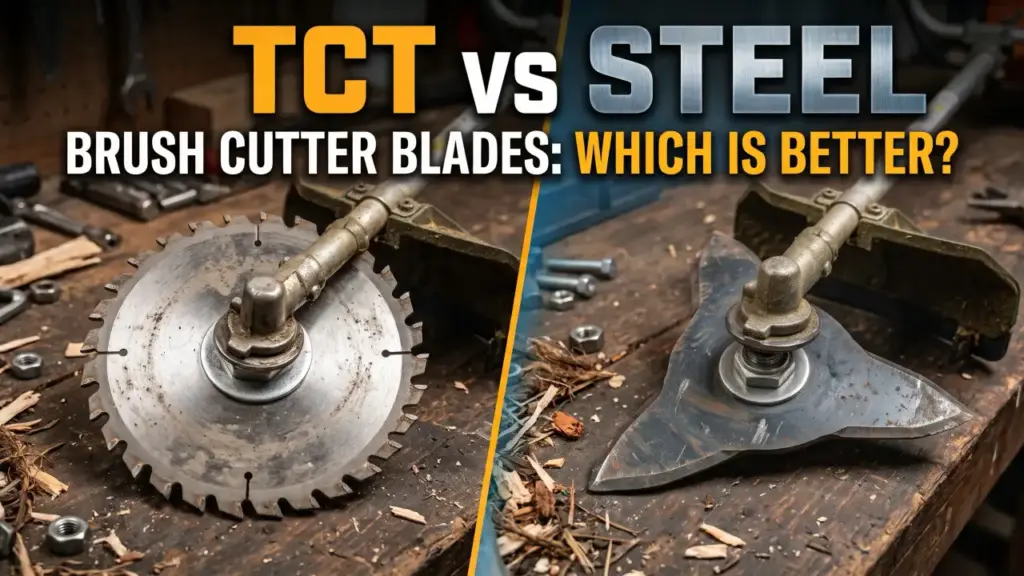
A string trimmer spins line out from the trimmer head. The line can flex when it meets resistance and gradually wears down as you work. Plastic blades keep a defined cutting edge, but their shape and intended use vary. Metal blades also come in different styles. Some are made for grass and weeds, while others are designed for brush or heavier growth.
The difference is not simply that one attachment is more powerful than another. What matters is the cutting job each was designed to do.
Which Is Better for Grass, Weeds, Brambles, and Tough Vegetation?
Grass and light weeds are generally well suited to string. As vegetation gets thicker and tougher, string can become less practical, while the right blade may handle the work more effectively. The following comparison gives you a starting point before you consider the specific attachment and machine.
Weed Eater String vs Plastic and Metal Blades for Different Vegetation
| Vegetation | String | Plastic blade | Metal blade |
|---|---|---|---|
| Routine grass | Well suited | May be suitable if approved | Often unnecessary |
| Light weeds | Generally suitable | May be suitable | Suitable designs can handle them |
| Thick grass | May wear more quickly | Depends on blade design | A suitable grass blade may help |
| Dense weeds | Can become less practical | Depends on blade design | Use a suitable weed blade |
| Brambles | Less suited to clearing | Usually not the intended choice | Use a suitable brush blade |
| Tough woody growth | Not the intended choice | Not the intended choice | Only suitable brush-cutting designs |
These categories are not absolute. Thick grass is different from woody brush, and not every metal blade is designed for the same material. Use the table to narrow the choice, then check what the particular blade is designed to cut.
When Should You Use String Instead of a Weed Eater Blade?
Use string when you’re mostly trimming grass and light weeds, particularly when the job involves shaping and cleanup rather than clearing heavy growth. For many day-to-day jobs, the line you already have on the trimmer is doing exactly what you need.
Trimming along lawn edges and working around trees, fence posts, and garden beds is easier to manage without a stiff blade. String has some give when it contacts an obstacle. That does not mean it cannot wear down or damage bark and other surfaces, but its flexibility makes it useful for close trimming.
String also takes care of many light weeds. You don’t have to change attachments just because some softer weeds are growing among the grass. Once you run into thick, hard growth that repeatedly breaks or wears through the line, though, finishing the job with string can become frustrating.

When Should You Use a Plastic Blade Instead of String?
A plastic blade can be useful for grass and light weeds when you want a more defined cutting edge than flexible line provides. It is an option for certain trimming jobs on machines designed to use it, not a necessary step between string and metal.
However, different plastic blades have different limits, and they do not offer the same flexibility for close work around obstacles. Check the blade’s intended use and whether your trimmer accepts it before choosing a plastic blade for a particular job.
When Should You Use a Metal Blade Instead of String?
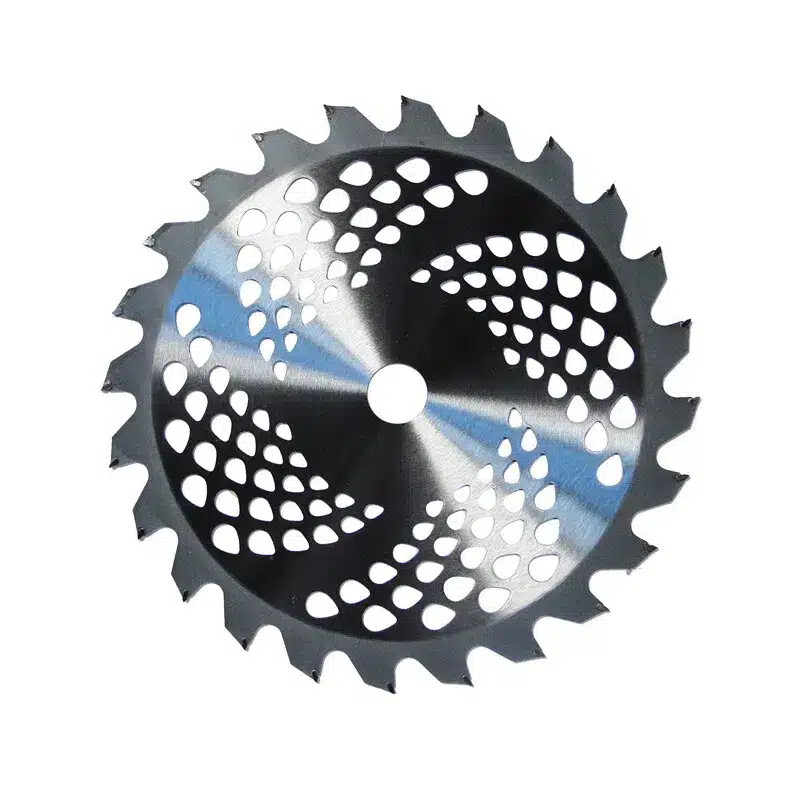
Use a suitable metal blade when thicker weeds, brambles, or brush make string impractical and your machine is designed for blade use. A rigid blade can handle demanding growth without being consumed like trimmer line, but the blade must match what you are cutting.
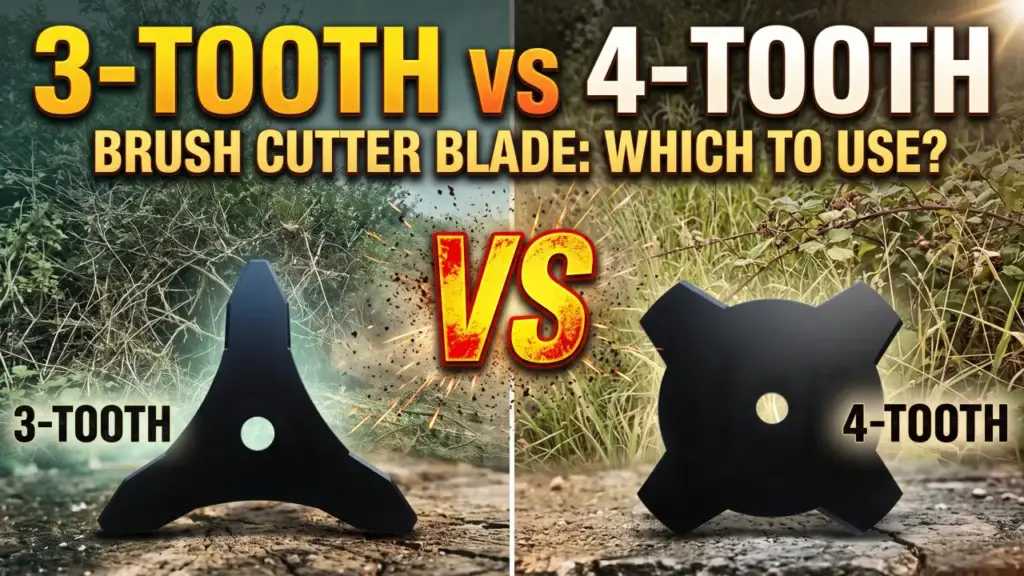
The key is the type of metal blade. A grass or weed blade may be designed for heavier non-woody vegetation. Brush and woody stems may require another design or tooth configuration. That is why “use a metal blade” is not a complete answer when the job moves beyond ordinary weeds.
If you are dealing specifically with thick grass, our brush cutter blade vs trimmer line comparison for thick grass looks more closely at that choice.
How Does the Working Environment Change the Choice?
String is generally easier to manage near obstacles, while rigid blades need more clearance. Avoid using a metal blade where contact with rocks, concrete, wire, or other hard objects is likely.
Weed Eater String vs Plastic and Metal Blades Around Obstacles
| Working condition | String | Plastic blade | Metal blade |
|---|---|---|---|
| Trees and planted borders | More flexible for close trimming; avoid contact | Keep clear of plants | Avoid close contact |
| Fences and walls | Useful for close trimming; line can wear | Avoid strikes | Avoid contact |
| Rocks and concrete | Keep clear where possible | Avoid strikes | Avoid where strikes are likely |
Even flexible line can damage bark and other surfaces. Plastic blades can also be damaged by impacts. If you find wire, loose stones, or other hard debris, clear or avoid the area first. Switching attachments does not make a hidden-object strike safe.
How Do String and Blades Compare for Durability and Maintenance?
String needs regular replenishment; blades need regular inspection. How quickly any attachment wears depends on what you cut and how often it contacts the ground or other objects.
The table below summarizes the typical wear and maintenance differences between weed eater string, plastic blades, and metal blades.
Weed Eater String vs Plastic and Metal Blade Durability and Maintenance
| Factor | String | Plastic blade | Metal blade |
|---|---|---|---|
| Normal wear | Frays and shortens | Cutting edge wears | Cutting edge dulls |
| Wear under demanding use | Faster line consumption | Wear or damage beyond intended use | Wear varies by blade and vegetation |
| Routine maintenance | Advance or replace line | Inspect and replace as needed | Inspect; sharpen if permitted |
| Damage requiring replacement | Broken or damaged line | Chipped or cracked blade | Cracked, bent, or damaged blade |
A job may be possible with string but still use enough line to make it inconvenient. A plastic blade can also wear or chip, especially if the work exceeds what it was designed to handle.
Metal blades can last much longer than line, but they still wear and can be damaged. Some can be sharpened according to the manufacturer’s instructions, but sharpening will not fix a cracked, bent, or otherwise damaged blade. Inspect it before use and replace it when it is no longer serviceable.
Can You Use a Blade on Any Weed Eater?
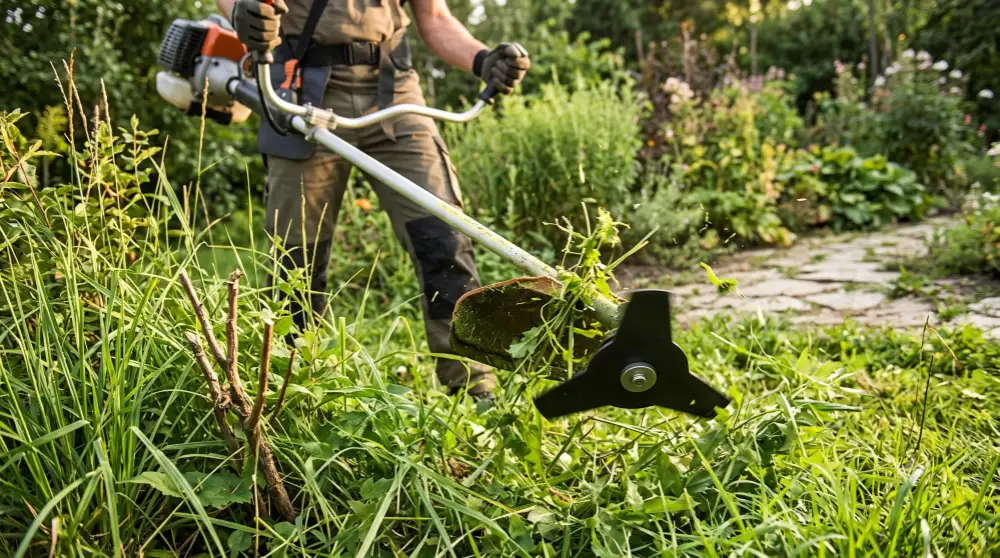
No. Swapping out the string head does not make every weed eater suitable for a blade. Check which attachments and required equipment the manufacturer approves for your model. We cover the details in Can You Put a Brush Cutter Blade on a String Trimmer?.
Conclusion
Deciding when to use string, plastic, or metal depends on the job. String handles grass and light trimming most of the time, especially when you need to work near trees, fences, or landscaping. A plastic blade may be useful for grass and light weeds if your machine accepts it and you want a more rigid cutting action.
Heavy weeds or tough brush may call for an appropriate metal blade. The blade still has to suit the vegetation, and the working area must be appropriate for using it. Ultimately, choose the attachment that can handle the job without asking more from the machine or cutting system than it was designed for.
FAQs About Weed Eater Blades vs String
Yes. Thicker line can provide more cutting mass and may last longer in some conditions, but it can also change the load on the trimmer. Use only a line size approved for your machine.
Not necessarily. The weight difference between a metal blade setup and a loaded string head depends on the complete cutting assembly. Changing attachments may also affect the machine’s balance and handling.