At first glance, ripping blades and crosscut blades look very similar. Both are designed to cut wood, but they aren’t designed to make the same type of cut. Using the wrong blade can lead to rough edges, slower cutting, and more cleanup than necessary.
The difference isn’t about the saw or even the length of the cut. It comes down to the direction of the wood grain and how the blade is designed to cut it. Once you understand that, choosing between a ripping blade and a crosscut blade becomes much easier.
In this guide, you’ll learn the key differences between ripping blades and crosscut blades, when to use each one, and which blade is the better choice for different projects.
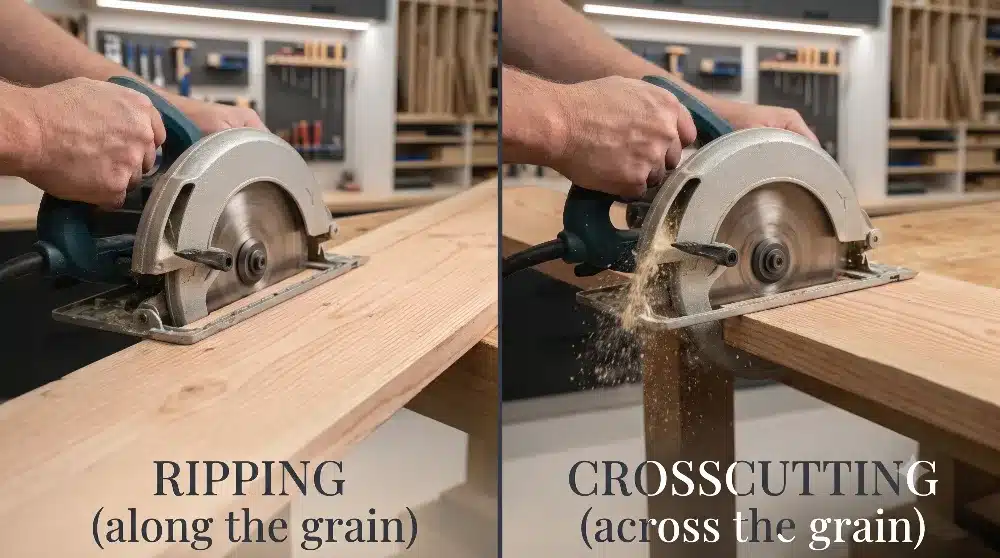
Table of Contents
- What Is the Difference Between a Ripping Blade and a Crosscut Blade?
- What Are Ripping Blades Used For?
- What Are Crosscut Blades Used For?
- Can You Use a Ripping Blade to Crosscut?
- Can You Use a Crosscut Blade to Rip?
- Which Blade Should You Use for Common Projects?
- Conclusion
- FAQs About Ripping and Crosscut Blades
What Is the Difference Between a Ripping Blade and a Crosscut Blade?
A ripping blade is designed to cut with the wood grain, while a crosscut blade is designed to cut across the grain. This difference in cutting direction affects how the blade interacts with the wood and determines the type of cut each blade is best suited for.
Wood is made up of long fibers that form its grain. A rip cut follows those fibers, while a crosscut cuts through them. Because these two cuts require different cutting actions, ripping blades and crosscut blades are designed differently.
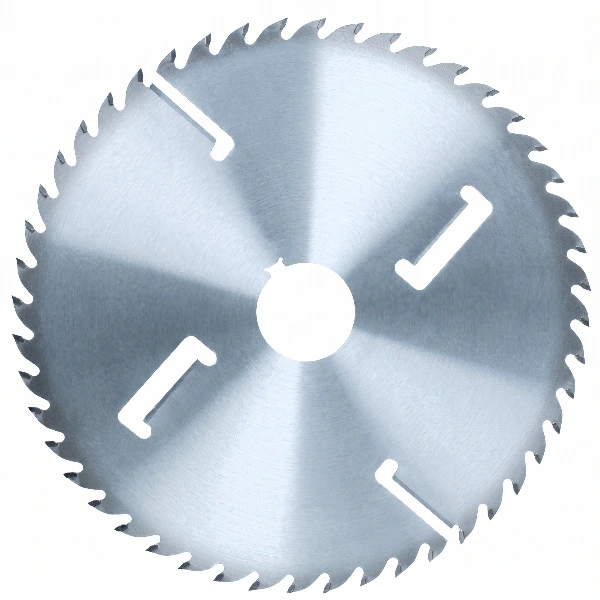
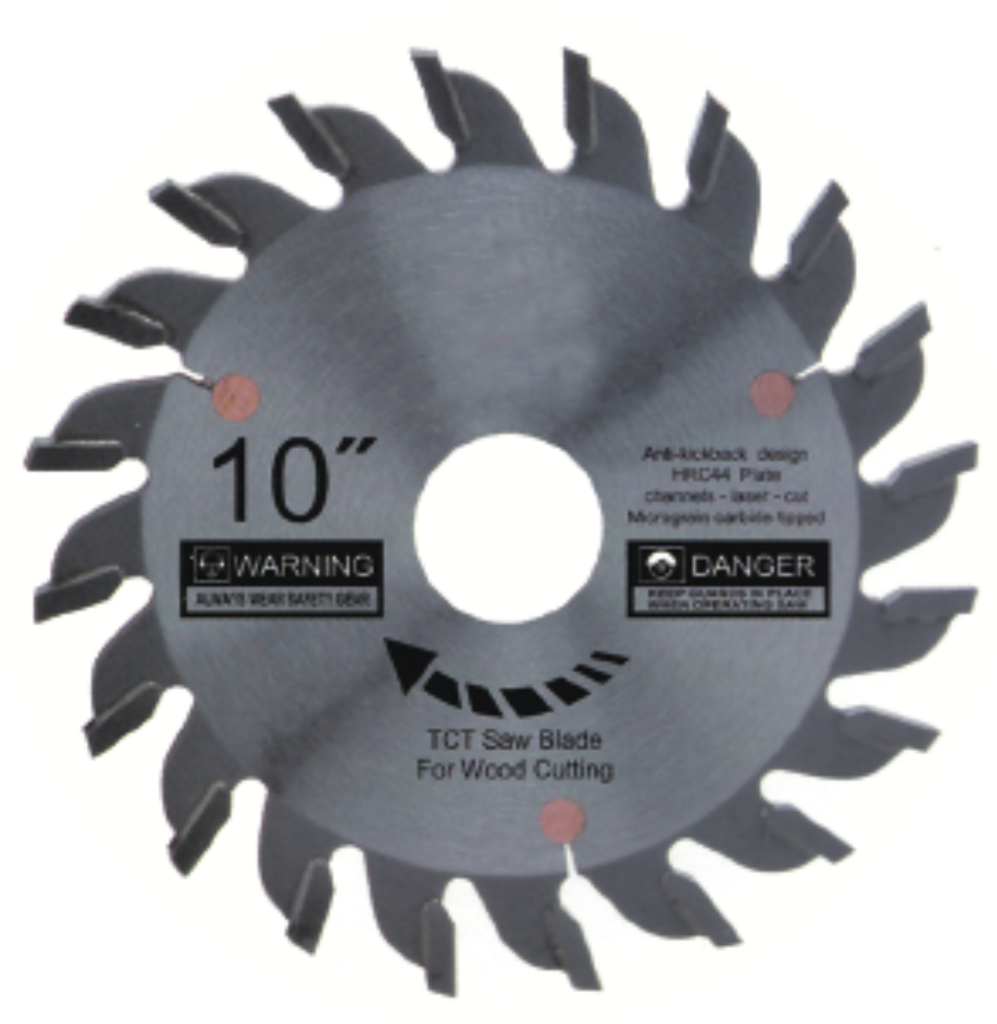
One of the biggest differences is the tooth design. Ripping blades typically use fewer teeth with larger gullets to remove material quickly along the grain. Crosscut blades usually have more teeth with angled edges, such as an alternate top bevel (ATB) design, to cut wood fibers more cleanly and reduce tear-out. This difference affects cutting speed, edge quality, and the amount of cleanup required afterward.
One common misconception is that rip cuts are long cuts and crosscuts are short. That’s not true. The difference depends on the direction of the wood grain, not the length of the cut. Cutting with the grain is a rip cut, while cutting across the grain is a crosscut.
Suppose you take a standard 2×10 board. Cutting that board lengthwise to make it narrower is a rip cut. Cutting that same board into shorter pieces is a crosscut.
The table below breaks down how ripping blades and crosscut blades compare.
| Feature | Ripping Blade | Crosscut Blade |
|---|---|---|
| Cutting direction | With the grain | Across the grain |
| Tooth design | Flat top grind (FTG) teeth | Angled teeth, commonly ATB design |
| Tooth count | Fewer teeth with larger gullets | More teeth for cleaner cuts |
| Main purpose | Fast material removal | Cleaner finished cuts |
| Cutting action | Separates wood fibers | Cuts through wood fibers |
| Best for | Long rip cuts | Smooth crosscuts |
Note: Ripping blades often use FTG (Flat Top Grind) teeth, while crosscut blades commonly use ATB (Alternate Top Bevel) teeth. However, tooth geometry can vary depending on the blade design and intended application.
What Are Ripping Blades Used For?
Ripping blades are used for making rip cuts along the wood grain, especially when you need to remove material quickly and efficiently. Smooth finishes are not their goal. Instead, they are designed to make long, straight cuts quickly with minimal resistance.
The vast majority of rip cuts you make are done at the start of a project. You may rip a board down to width, or you may rip rough lumber so you can mill it flat. Even when preparing stock for joinery, you are still working with the wood before fine woodworking begins. Planing, sanding, and finishing will take care of any imperfect edges produced during ripping.
Ripping blades are commonly used for construction, lumber preparation, and production work where many long rip cuts are required.
What Are Crosscut Blades Used For?
Crosscut blades are used for making clean, accurate cuts across the wood grain, especially when the finished edge matters. Smooth finishes are not their only advantage; they also help reduce splintering and minimize the cleanup needed after cutting.
When that board is going to be part of your next cabinet, tabletop, or piece of trim, taking the extra time to make a clean cut can save you time fixing chipped edges later.
Consider all the cuts you make just before assembly. You might be cutting a shelf to finished length or cutting face-frame parts for cabinets. Every cut matters, and there’s no room for error. Chipped or rough edges don’t just look unfinished. They can create gaps at joints or leave you with extra sanding before everything fits.
A crosscut blade helps prevent these problems by producing cleaner cuts. That’s why these blades are popular for furniture making, cabinet building, trim work, and built-in projects. Crosscut blades are also a good choice when cutting plywood, MDF, and other engineered panels. Chipped veneers are never fun to fix. Many crosscut blades are designed specifically for these materials.
Can You Use a Ripping Blade to Crosscut?
Yes, you can use a ripping blade to crosscut, but it is usually not the best choice. A ripping blade is designed to move efficiently through wood fibers in the same direction as the grain. When cutting across the grain, it may leave a rougher edge and more visible saw marks because the blade is not designed for that cutting action.
For rough construction work, this may not be a major problem. If the edge will be hidden, trimmed, or cleaned up later, a ripping blade can still get the job done. However, the difference becomes much more noticeable when cutting finished parts, hardwoods, plywood, or veneered materials.
Tear-out is one of the biggest issues when using the wrong blade for crosscuts. Instead of cleanly cutting through the wood fibers, the blade can cause them to break away, leaving chipped edges that take extra time to repair. When the final appearance matters, a crosscut blade is usually the better choice.
Can You Use a Crosscut Blade to Rip?
Yes, you can use a crosscut blade to rip, but it will not be as efficient as using a ripping blade. Crosscut blades are designed to cut through wood fibers across the grain, so they typically create more resistance when moving through a long rip cut.
For an occasional rip cut, this may not be a problem. If you only need to narrow a board once in a while, a crosscut blade can handle the job. However, if you are breaking down rough lumber, preparing stock, or making multiple long cuts, a ripping blade will save time and effort.
The difference comes down to how each blade removes material. A ripping blade is built to clear material quickly along the grain, while a crosscut blade focuses more on producing a cleaner finished edge. Using the right blade for the job means less strain on your saw and less cleanup afterward.
Which Blade Should You Use for Common Projects?
The right blade depends on the type of cut you need to make. If you are preparing material or making long cuts along the grain, a ripping blade is usually the better choice. If the finished edge will be visible, a crosscut blade will help produce a cleaner result. Keep in mind that most projects require both types of cuts at different stages, so many woodworkers use both ripping and crosscut blades.
So, which blade should you reach for? It depends on the project.
| Project | Common Blade Choice | Why |
|---|---|---|
| Framing | Ripping Blade | Fast long rip cuts and material prep |
| Deck Building | Ripping Blade | Cuts construction lumber to size |
| Lumber Milling | Ripping Blade | Prepares boards before final sizing |
| Furniture Making | Crosscut Blade | Cleaner edges on visible parts |
| Cabinet Making | Crosscut Blade | Better edge quality and joint fit |
| Trim Work | Crosscut Blade | Less splintering on finished pieces |
| Built-Ins | Crosscut Blade | Cleaner cuts with less finishing |
Conclusion
There’s no better blade. There is the right blade for the job. Before you grab a blade, whether for the first time or as a replacement, figure out what job you need it to do. A fast rip cut and a smooth crosscut solve two completely different cutting needs. Many woodworking projects will require both at some stage.
If you often switch between ripping and crosscutting, a quality combination blade can be a practical option for handling both types of cuts.
When you begin matching your blade to the cut you need instead of what’s convenient, you’ll see the difference. Cleaner cuts. Less sanding. Fewer aggravating mistakes. Sometimes the biggest step forward in your woodworking comes not from a new saw. It’s from putting the right blade on the saw you already own.
FAQs About Ripping and Crosscut Blades
A crosscut blade typically produces the smoothest cut because it is designed to cut across wood fibers cleanly. It helps reduce splintering and tear-out, making it a better choice for visible surfaces such as furniture, cabinets, and trim work.
Wood often splinters during a crosscut when the blade tears through fibers instead of cutting them cleanly. A dull blade, the wrong blade type, feeding too quickly, or using a blade that is not designed for the material can all contribute to splintering.
Yes, many professional woodworkers use multiple saw blades depending on the type of cut they need. A ripping blade helps with fast material preparation, while a crosscut blade produces cleaner finished edges.
A ripping blade usually has fewer teeth than a crosscut blade because fewer teeth help remove material faster during long cuts along the grain. The ideal tooth count depends on the blade size, material, and the type of finish you need.
Yes, a combination blade can handle both ripping and crosscutting, but it usually involves a compromise. Dedicated ripping blades and crosscut blades are designed to perform better for their specific cutting tasks.