A 7-1/4- inch circular saw blade will fit on a 7-1/4-inch saw …right? Wrong. Sometimes. If two blades are the same diameter, they can have radically different center holes and mountings. Enter arbor size. It’s one of the key specifications printed on a blade, and most buyers ignore it until the blade doesn’t fit the saw. Once you understand arbor size, selecting a replacement blade becomes much simpler.
In this guide, you’ll learn what arbor size means, how to determine the correct size for your saw, and when you can safely use an arbor reducer ring.
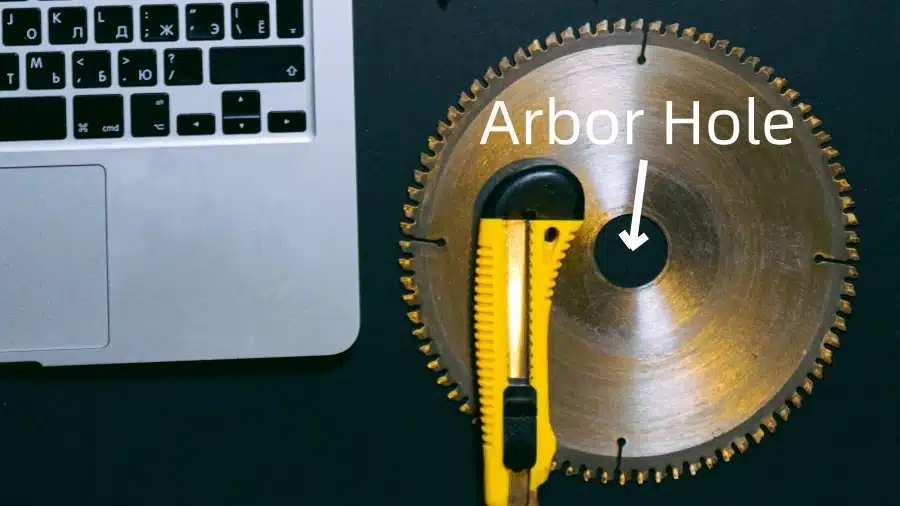
Table of Contents
- What Does Arbor Size Mean on a Circular Saw Blade?
- Why Blade Diameter and Arbor Size Are Not the Same Thing
- What Are the Most Common Circular Saw Blade Arbor Sizes?
- What Is a Diamond Arbor and Why Is It Used?
- How Do I Know What Size Arbor My Saw Needs?
- What Are Arbor Reducer Rings and How Do They Work?
- What Happens If the Arbor Size Is Wrong?
- Conclusion
- FAQs About Circular Saw Blade Arbor Size
What Does Arbor Size Mean on a Circular Saw Blade?
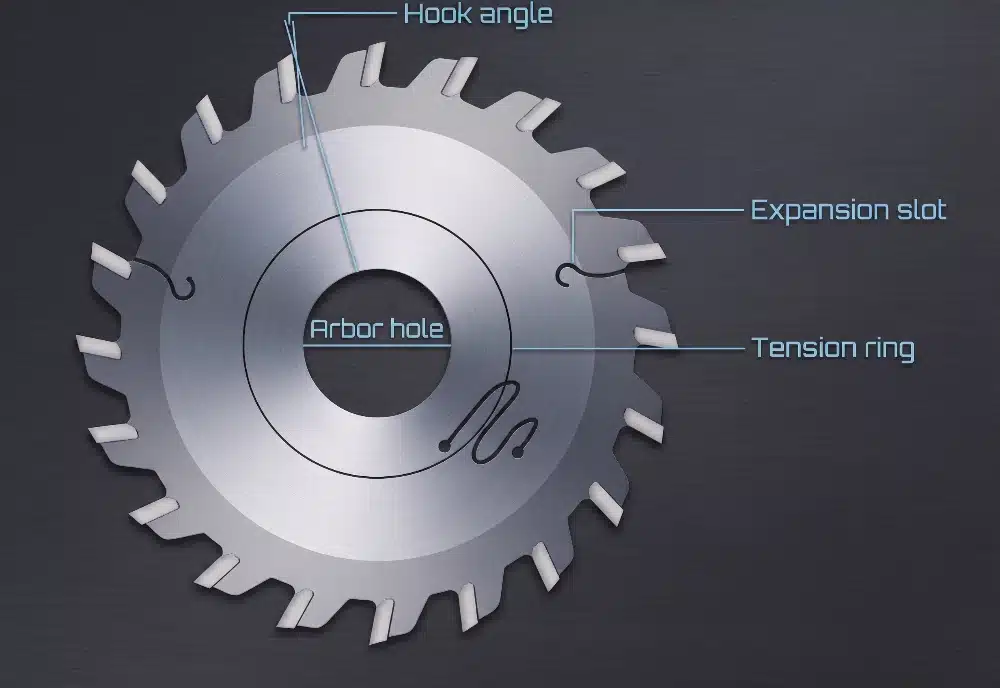
Arbor size is the diameter of the center hole in a circular saw blade. It determines whether the blade will fit your saw’s arbor correctly.
Some people refer to it as the bore or the arbor hole. That hole fits onto the saw’s arbor (also called the spindle or mandrel). The arbor is the shaft that the motor spins to rotate the blade. If they don’t fit together, the blade won’t spin.
You can think of the arbor as the blade’s anchor point. Once the blade is secured, the arbor keeps the blade spinning in place. Even a slight mismatch in arbor size can prevent the blade from sitting properly on the arbor. It can also result in an insecure fit during operation. This is why arbor sizes are specified as exact measurements rather than ranges.
Many circular saw blades are available with different bore sizes to match different saws and regional standards. Choosing the correct arbor size ensures the blade fits securely and operates safely.
Why Blade Diameter and Arbor Size Are Not the Same Thing
Blade diameter and arbor size measure two different parts of a circular saw blade. Blade diameter determines cutting capacity, while arbor size determines whether the blade fits your saw. They’re both important specifications and are often confused because both are printed on the blade.
Blade diameter is how wide the blade is overall. It’s measured from edge to edge and determines how deep you can cut. Arbor size is the diameter of the center hole in the blade. It determines whether the blade can be mounted securely on your saw. Both are important and related, but they measure two different parts of the blade.
Here’s an analogy that might help clear things up. The blade diameter tells you what kind of cuts the blade can make. The arbor size tells you which saw can do that job.
What Are the Most Common Circular Saw Blade Arbor Sizes?
The most common circular saw blade arbor sizes vary by saw type. Most portable circular saws in North America use a 5/8-inch arbor, while larger industrial saws commonly use a 1-inch arbor. Some imported saws use metric arbor sizes instead.
Circular saw arbors are not universal. Different saws use different arbor sizes depending on the saw type, blade diameter, and sometimes the region where they’re sold. The vast majority of saws sold in North America use imperial measurements, while metric arbor sizes are more common on European and Asian saws.
The table below shows the arbor sizes you’re most likely to encounter and the types of saws they are commonly used with. Keep it handy as a general reference guide when selecting a replacement blade.
| Typical Arbor Size | Common Blade Sizes | Common Saw Types |
|---|---|---|
| 3/8 in.* | 3 in. | Some mini circular saws and compact cut-off tools |
| 5/8 in. | 6-1/2 in., 7-1/4 in., 10 in. | Most portable circular saws, table saws, and many miter saws |
| 1 in. | 12–16 in. | Industrial table saws, panel saws, and heavy-duty woodworking machines |
* Mini circular saws do not use a universal arbor size. Some models use 3/8-inch, while others use different arbor sizes depending on the manufacturer.
The table above covers the most common arbor sizes used on North American saws. Metric arbor sizes are also common on imported saws and equipment sold outside North America. You may encounter 16 mm, 20 mm, 25.4 mm (1 in.), or 30 mm arbor sizes on imported saws and replacement blades. Some industrial machines also use 50 mm arbors. That’s why you should always double-check the required arbor size before purchasing a new blade.
What Is a Diamond Arbor and Why Is It Used?
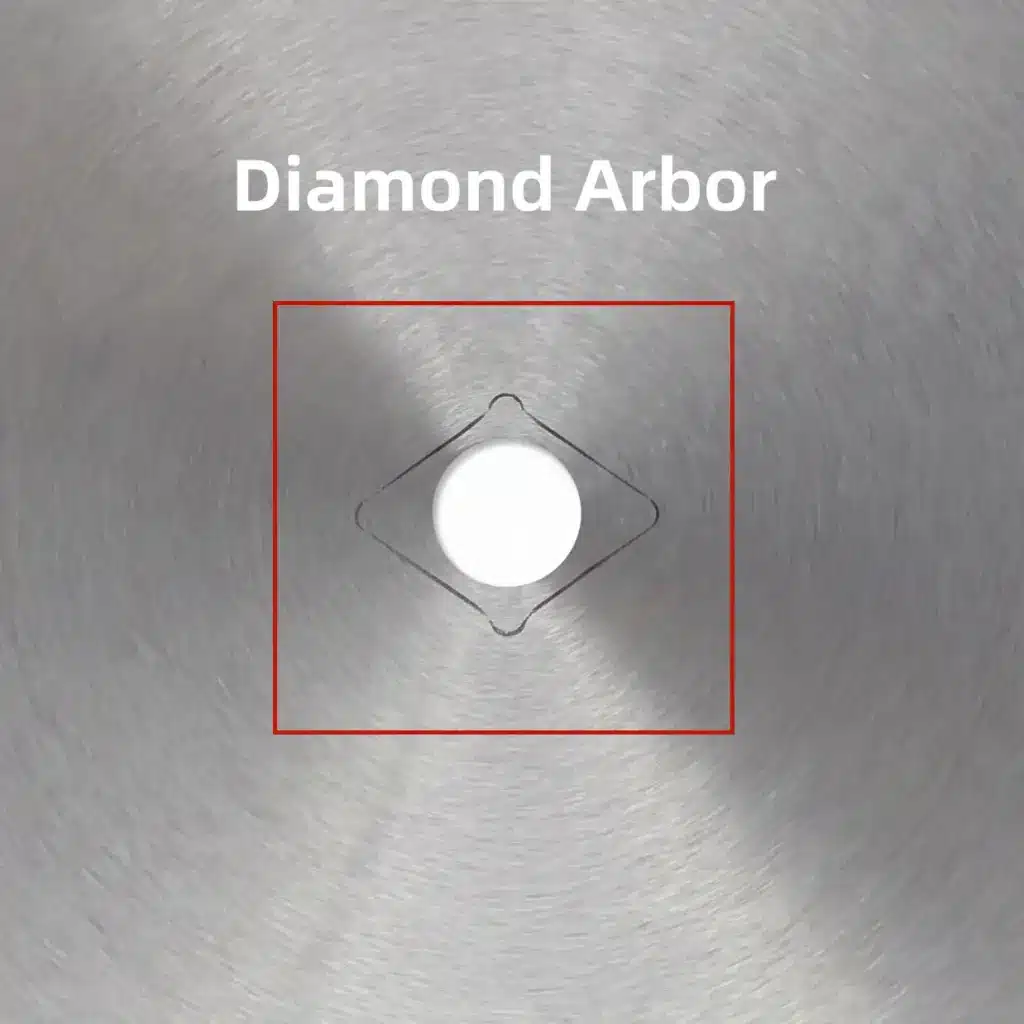
A diamond arbor is a non-round blade mounting hole used on some worm-drive circular saws. As the name suggests, it is shaped like a diamond rather than a circle. This shape helps the blade lock more securely onto the saw and reduces the chance of slipping under high torque.
Worm-drive saws generate higher torque than standard sidewinder circular saws. Because of that, the diamond-shaped arbor provides extra grip and reduces the chance of the blade slipping during heavy-duty cutting. It also gives users more confidence when cutting through thick framing lumber or other demanding materials.
You will sometimes also see what’s called a diamond knockout. This is a removable insert around the center hole of some blades. If it is left in place, the blade mounts on a standard round arbor. If it is removed, the blade can fit a diamond arbor instead. This allows one blade to be compatible with two different mounting systems.
However, remember that matching arbor size is not the only requirement. The shape of the arbor must also match the saw spindle. If the shape is wrong, the blade will not mount correctly even if the diameter is correct.
How Do I Know What Size Arbor My Saw Needs?
The most reliable way to determine your saw’s arbor size is to use the owner’s manual or check the markings on the blade or saw. If that is not possible, you will need to measure it directly.
Believe it or not, figuring out arbor size is typically easier than most people think. First, consult your owner’s manual. If you still have it, you’ll find the correct blade diameter, arbor size, and any special mounting requirements listed. The owner’s manual is the most accurate source because it is designed specifically for your saw.
If the manual is not available, check the existing blade on your saw. Most manufacturers print or laser-etch key specifications such as blade diameter, arbor size, and maximum RPM directly on the blade body. You can also check the saw itself. The blade guard, motor housing, or identification plate often lists the required specifications.
If that information is worn off or missing, the only remaining option is to measure the arbor diameter using digital calipers. A precision ruler can be used, but it will not be as accurate. This ensures you get an exact measurement before purchasing a replacement blade.
Before choosing a new blade, make sure to verify one final detail: whether your saw uses a standard round arbor or a diamond arbor. The blade must match both the size and the shape of the arbor to fit correctly.
What Are Arbor Reducer Rings and How Do They Work?
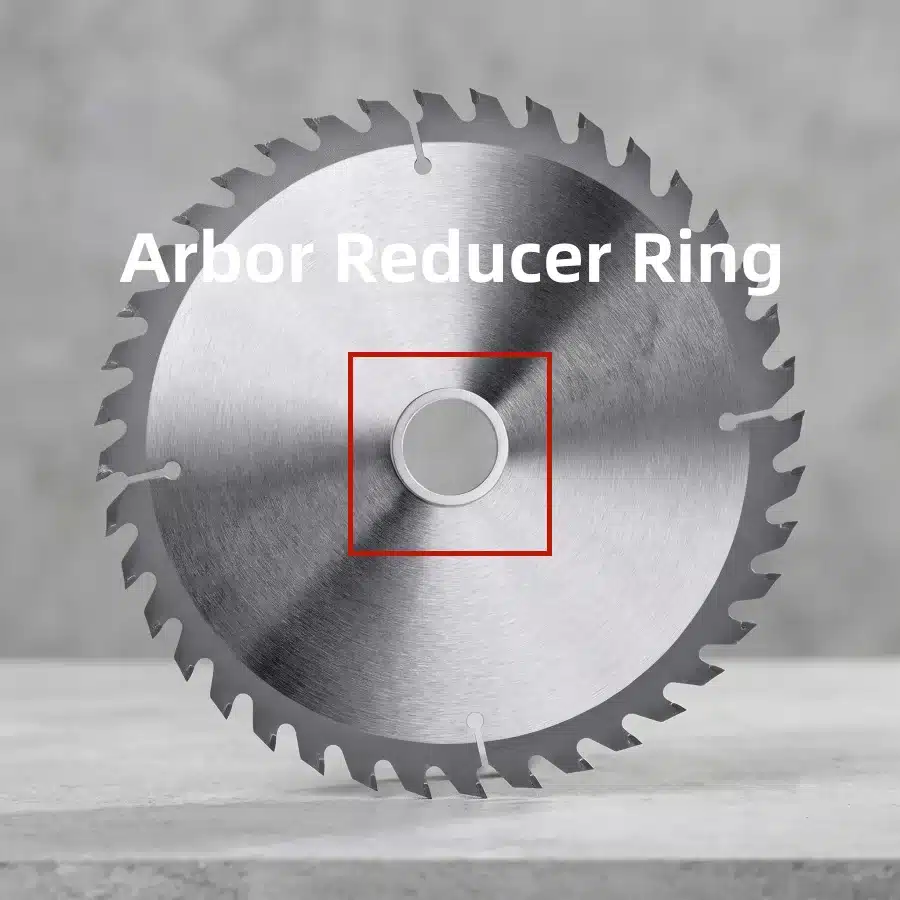
An arbor reducer ring is a small metal or plastic insert used to reduce the inner diameter of a saw blade’s arbor hole so it can fit a smaller saw spindle. It allows blades with larger bore sizes to be used on saws with smaller arbors.
You have found the perfect blade. The number of teeth is perfect. The diameter is perfect. Then you notice one issue. The bore on the blade is 30 mm, but your saw only has a 20 mm arbor. That is exactly what an arbor reducer ring is designed to fix.
It is inserted into the blade’s arbor hole to reduce the opening and allow the blade to fit snugly on a smaller arbor. This gives you more flexibility when using blades across different saws.
However, arbor reducer rings are not always the best solution. They must fit tightly between the blade and the arbor. Even a small amount of looseness can cause vibration, poor cutting accuracy, or unsafe operation.
Some saw manufacturers recommend using blades with the correct factory-made arbor size instead of adapters. If your saw supports reducer rings, make sure the ring matches both the blade bore and the arbor size precisely. If it does not, the safer option is to choose a blade with the correct arbor size from the start.
What Happens If the Arbor Size Is Wrong?
Using the wrong arbor size will generally lead to one of two issues. Either the blade won’t fit onto the saw, or it won’t sit properly on the arbor. Neither of these problems is worth trying to force. If the hole is too small, the blade won’t slide onto the shaft at all. If it’s too big, then the blade won’t sit perfectly centered during use.
Even a tiny bit of movement will impact your cut. The blade can wobble or vibrate excessively and leave a rougher finish than normal. That’s extremely annoying and also puts additional stress on both the saw and the blade. Never attempt to enlarge the hole to make a blade fit. The hole is precision-machined to exact tolerances, and altering it will weaken the blade. The correct arbor size keeps your blade stable, accurate, and safe every time you turn on your saw.
Conclusion
When shopping for your next circular saw blade, remember that blade diameter is only part of the equation. Arbor size is just as important. Take a few extra seconds to verify both before buying a replacement blade. An incorrect arbor size is one of the most common reasons a replacement blade won’t fit your saw. As long as the blade diameter, arbor size, and mounting shape all match your saw, you’re good to go. Match up those three items, and selecting a new blade will be a breeze.
FAQs About Circular Saw Blade Arbor Size
Blade diameter determines the maximum depth of cut, while arbor size determines whether the blade will fit your saw. Both must match your saw’s specifications, but they refer to different parts of the blade.
Check three things: the blade diameter, arbor size, and arbor shape. Compare these specifications with your saw’s owner’s manual or the markings on the existing blade or saw before buying a replacement.
Most portable circular saws in North America use a 5/8-inch arbor. Larger industrial woodworking saws commonly use 1-inch arbors, while some imported saws use metric arbor sizes such as 20 mm or 30 mm.
Sometimes. If the blade’s arbor hole is larger than your saw’s arbor, you may be able to use an arbor reducer ring. However, the ring must fit precisely, and some manufacturers recommend using only blades with the correct factory arbor size.
No. Arbor reducer rings only work when the blade’s arbor hole is larger than the saw’s arbor. The ring must fit securely, and you should follow the blade or saw manufacturer’s recommendations before using one.
A diamond arbor is a diamond-shaped blade mounting hole found on some worm-drive circular saws. It helps the blade lock more securely to the saw and reduces the chance of slipping under high torque.