Some circular saw blades seem to stay sharp for a surprisingly long time, while others dull noticeably after only a few cuts. Why do circular saw blades have such different lifespans, even when used on the same saw and by the same user? What causes some blades to wear out much faster than others?
Typically, most people assume blade lifespan comes down to sharpness or how much they paid for the blade. More often than not, however, there is an underlying reason why certain blades start burning wood, lose cutting speed, or struggle to push through cuts much earlier than expected. In many cases, the real cause goes unnoticed until it begins affecting cutting performance.
In this article, we will explain how long a circular saw blade typically lasts and what factors have the biggest impact on its lifespan. We will also look at why some blades wear out much faster than others, and what cutting habits or conditions may be reducing blade life without you realizing it.
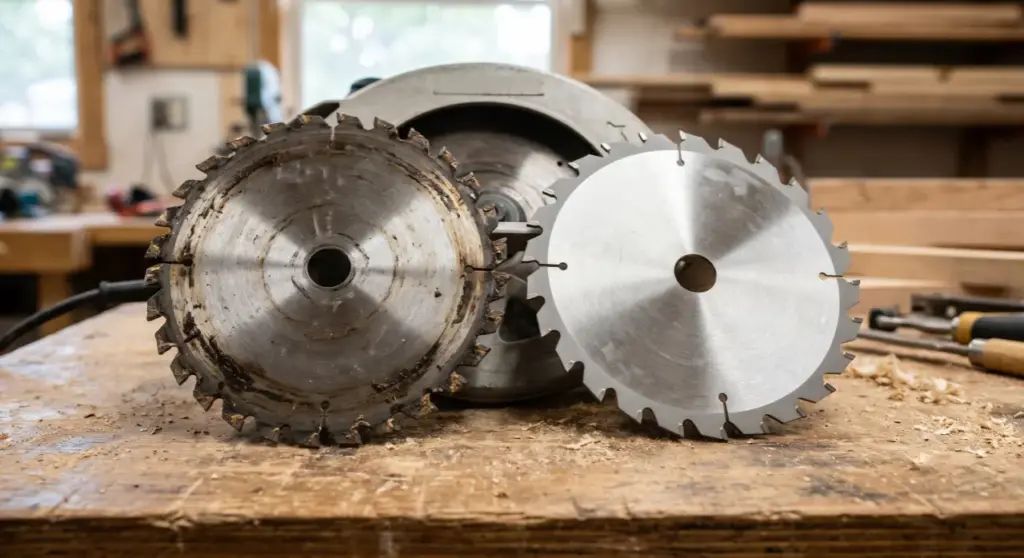
Table of Contents
- Quick Answer: How Long Do Circular Saw Blades Last?
- What Wears Out a Circular Saw Blade the Fastest?
- Does Blade Design Impact Lifespan?
- How to Make a Circular Saw Blade Last Longer?
- When Is a Circular Saw Blade Truly Near the End of Its Life?
- FAQs About Circular Saw Blade Lifespan
- Conclusion
Quick Answer: How Long Do Circular Saw Blades Last?
A circular saw blade can last anywhere from a few weeks to several years. The exact lifespan depends on how often it is used, what materials are being cut, and how the blade is maintained. Light use on softwood can extend blade life significantly, while frequent cutting of abrasive materials like MDF or plywood will shorten it considerably.
What Wears Out a Circular Saw Blade the Fastest?
Before we can begin to measure how long a circular saw blade will last, we need to understand what wears it out in the first place. Otherwise, any lifespan estimate becomes fairly meaningless. A blade used occasionally on dry pine is far less stressed than one regularly cutting MDF or laminate.
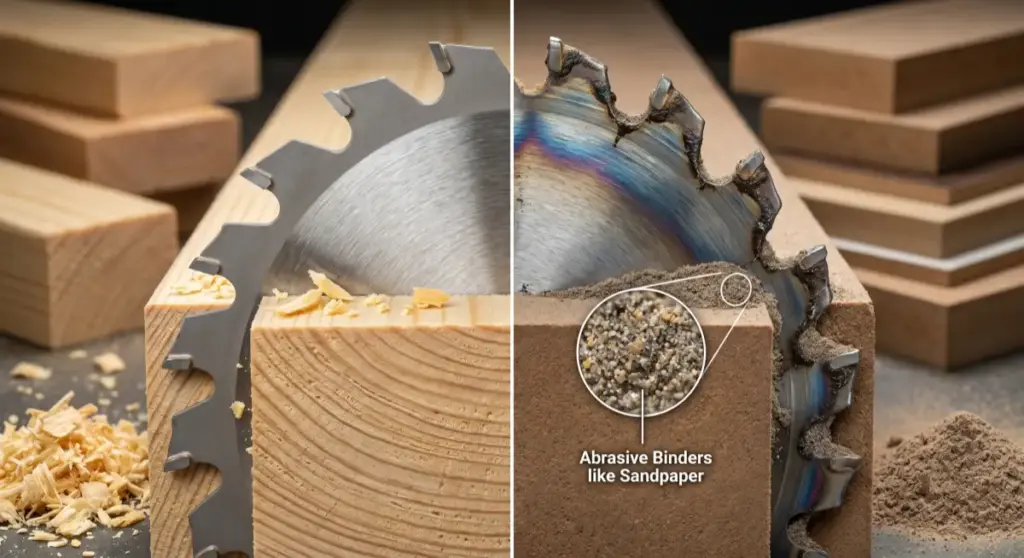
It’s these kinds of applications that cause most of the confusion. MDF does not always appear aggressive on a blade visually. Neither does plywood. However, the dense fibers and abrasive binders found in these materials gradually grind down carbide teeth. Similar to how sandpaper slowly wears down wood, these materials steadily abrade the cutting edges over time.
Then there are factors that many people overlook until performance starts to decline. Resin buildup, pitch on the teeth, and packed sawdust in the gullets can all increase friction and reduce cutting efficiency. A blade may look perfectly fine yet still perform poorly because of the extra resistance it encounters during a cut.
Eventually, heat becomes one of the biggest enemies of any saw blade. Excessive friction can lead to edge dulling and increased vibration. That’s one reason some blades feature specialized coatings designed to reduce pitch buildup during repetitive cutting in plywood, softwoods, and other resinous materials.
Does Blade Design Impact Lifespan?
Yes, more than most people realize. You can often feel the difference every time you make a cut. You might not know all the technical terms, but you can tell when a blade runs cooler, produces less vibration, and puts less strain on the motor. The cut feels smoother and easier to control.
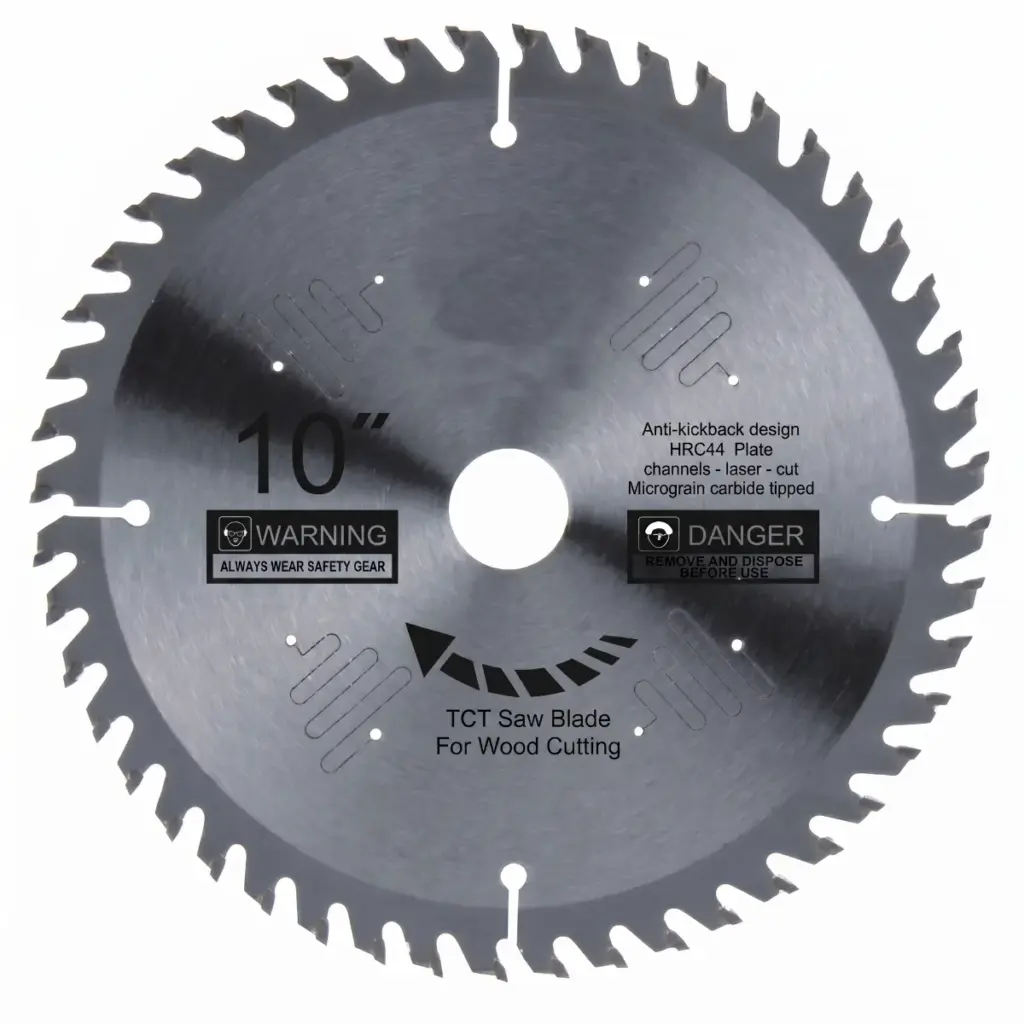
Thin kerf blades are a good example. They remove less material per cut, reducing load on the motor. This typically results in less heat and lower stress on the teeth. However, they are not a perfect solution. During heavy ripping or continuous production work, thin kerf blades can flex more because there is less steel available to keep the blade rigid.
Tooth design also plays a role, along with blade balance and carbide quality. A poorly balanced blade tends to vibrate more, which can gradually damage the teeth over time. As a result, cuts become rougher, heat builds up faster, and overall blade life can be reduced.
How to Make a Circular Saw Blade Last Longer?
Most professionals do not rely on a single blade until it fails completely. Instead, they notice subtle warning signs early. The saw may feel less efficient in the cut, plywood edges may not come out as clean, or a faint burning smell may start to appear. In many cases, blades are cleaned long before replacement is even considered. Resin buildup and packed sawdust can create far more friction than most people realize.
Professionals also choose the right blade for the job rather than expecting one blade to handle every task. They use different tooth counts depending on the application, whether they are ripping lumber, cutting plywood, or doing finish work. These are basic practices, but they can significantly affect blade lifespan. Feed pressure matters as well. Forcing a blade through a cut generates additional heat, which accelerates wear over time.
Many professionals also rotate between blades during heavy, all-day cutting rather than overheating a single blade. Proper blade storage is another often-overlooked factor. Carbide teeth can chip when blades are allowed to bang against other tools in a truck or toolbox. Higher-quality blades also tend to withstand heavy use better. Premium carbide tips and precision-balanced blade bodies typically run smoother, generate less vibration, and maintain performance longer under demanding conditions.
When Is a Circular Saw Blade Truly Near the End of Its Life?
Circular saw blades rarely go from sharp to unusable overnight. Usually, it’s a gradual process. Clean cuts aren’t so clean. The saw shakes more than it used to. Or maybe you’ve cleaned the blade, but it still sounds rough-cutting anyway.
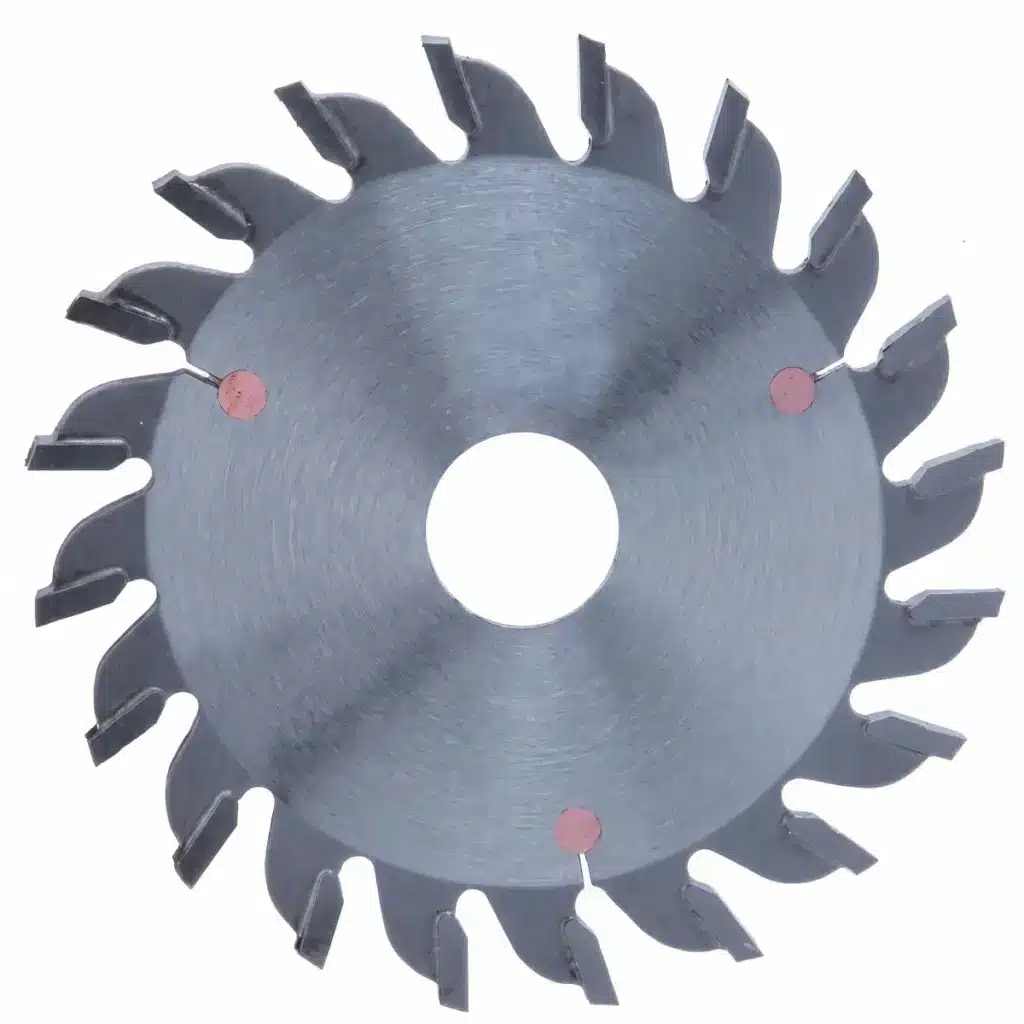
Sometimes the warning signs are easy to spot, and this is when you should consider replacing the blade. Chips in the carbide teeth. Small cracks around the blade body. A loose blade that wobbles when making a cut. These are obvious problems. Other times, you just know the blade is tired. Each sharpening slightly reduces the blade size and effectiveness of the teeth. Over the years, excess heat can affect the blade’s tension and overall balance.
Once it reaches this stage, the blade can still cut wood. It’s just not good enough for you to trust the cuts.
FAQs About Circular Saw Blade Lifespan
It depends on what you are cutting. A carbide circular saw blade typically lasts much longer than a standard steel blade, but material choice has a far greater impact than most people realize. If it is used occasionally for clean cuts in softwood, it can last for years. However, if the same blade is used daily on MDF, it will dull much more quickly.
MDF can significantly reduce blade life over time. It is one of the most abrasive materials for circular saw blades due to its dense fibers and binding resins. These materials gradually wear down the carbide cutting edges, meaning you may go through blades much faster when working with MDF compared to hardwood or softwood.
Yes. Excess heat can weaken the carbide bond that holds the teeth in place and may even affect blade tension. This is often when a blade begins to vibrate, wander, or feel unstable during cutting. Heat buildup is usually the result of excessive friction, dull teeth, or incorrect cutting technique.
Cleaning a blade does not always solve burning issues. The cause may be unrelated to dirt. Common reasons include using the wrong tooth count for the material, feeding the saw too quickly, blade wobble, or simply using the wrong type of blade for the application. All of these factors can increase friction and lead to burning.
Common signs include slower cutting, rough or burnt edges, more resistance, and increased vibration. If performance does not improve after cleaning, the blade is likely dull.
Conclusion
A circular saw blade could last a few weeks, or it could last years. And that is not an exaggeration. Blade lifespan varies widely depending on how and where it is used. A blade used daily for rough framing on dusty job sites will perform very differently from one used occasionally on clean wood.
Even the definition of “lasting” can change depending on the application. A framing blade may still be considered usable long after a cabinetmaker would judge it too dull for clean, finished cuts. Circular saw blades also do not usually fail suddenly overnight. Instead, they gradually become dull as heat, friction, and repeated cutting stress take their toll.
The good news is that proper cutting techniques can significantly extend blade life. Choosing the right blade for the material and reducing heat and vibration will make a noticeable difference in overall performance and longevity.